Science
Space · Earth · Health · Research
File photo: Photo: ESA, via Wikimedia Commons, CC BY-SA 3.0 IGO.
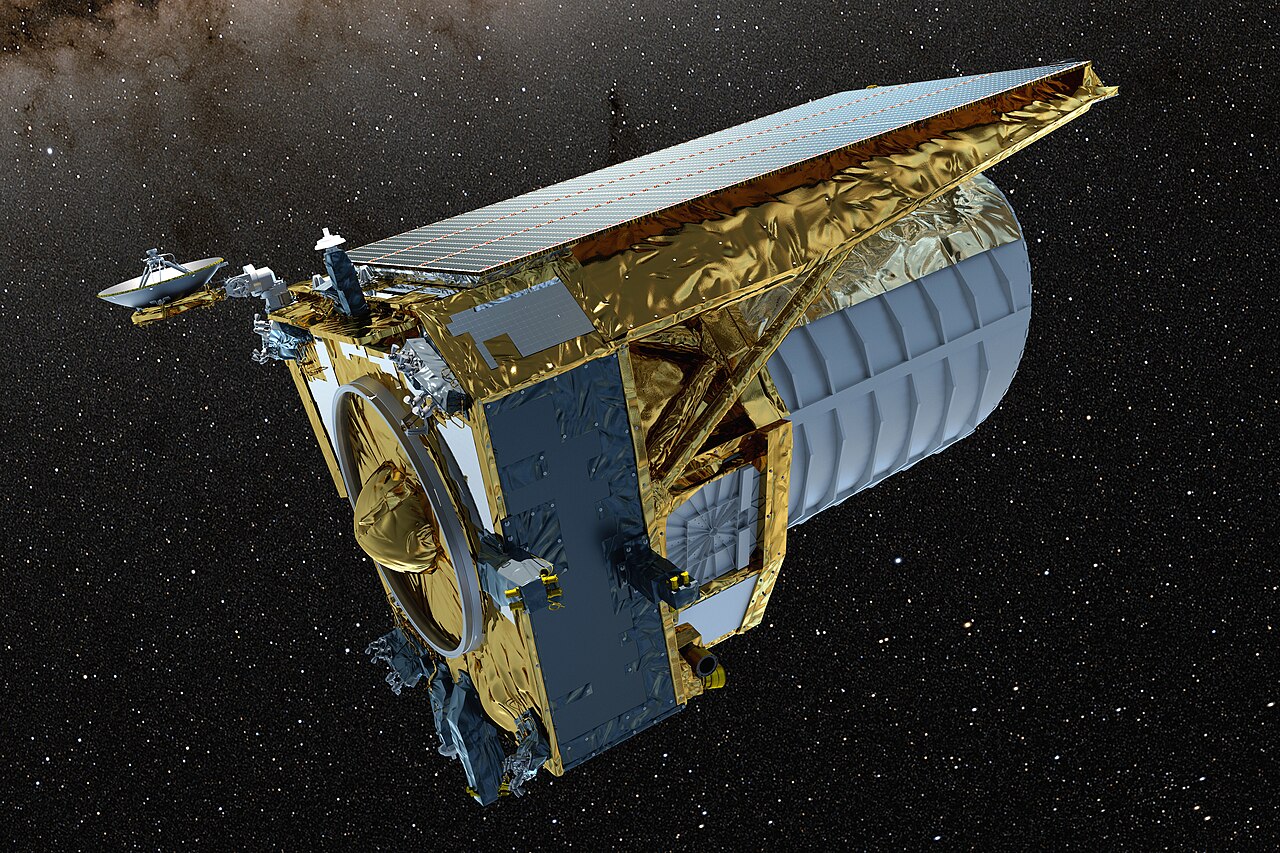
Euclid found a comet it was never looking for
A telescope built to map distant galaxies has discovered its first comet, a streak in September deep field images that software flagged and the Minor Planet Center confirmed on October 8. It could one day be a target for a mission built to meet a comet.
Paris, France · October 20, 2026
File photo: Photo: NASA / MSFC / David Higginbotham / Emmett Given, via Wikimedia Commons, Public domain.
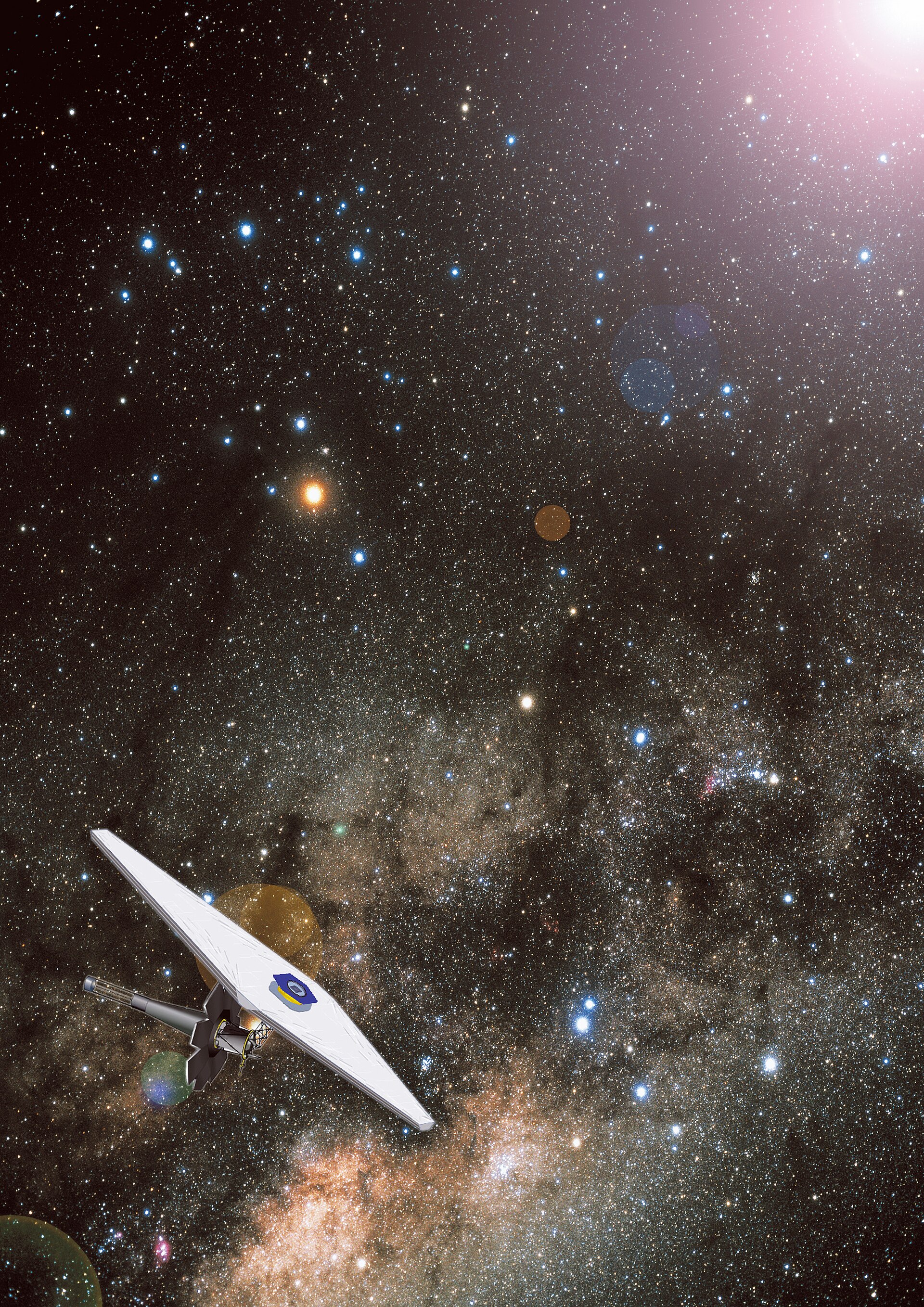
A planet out of shape: astronomers measure an exoplanet atmosphere in 3D
Using a new method on JWST data, teams at Cornell and Bristol found the hot Jupiter WASP-17b has one side of its atmosphere puffed out by heat and day side winds. It is the first real shape measurement of its kind, and a benchmark for 6,000 known worlds.
Bristol, England · October 19, 2026
File photo: Photo: AF991, via Wikimedia Commons, Public domain.
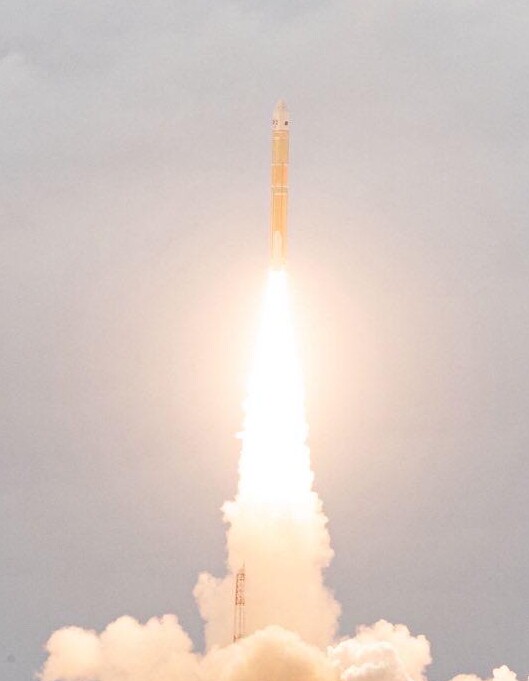
Japan is going to land on a moon of Mars and bring a piece of it home
The MMX spacecraft launches from Tanegashima on Tuesday, bound for Phobos. No sample has ever been returned from a Martian moon. If the five year mission holds, a capsule carrying at least 10 grams of another world lands in Australia in 2031.
Tanegashima, Japan · October 19, 2026
The Doomsday Glacier could raise seas twice as much as scientists thought
New modelling of Thwaites Glacier in West Antarctica projects up to 30 millimetres of sea level rise by 2100 from this one glacier alone, double the previous estimate, and it happens even without any extra warming.
West Antarctica · October 18, 2026
File photo: Photo: Richard Ash, via Wikimedia Commons, CC BY-SA 2.0.
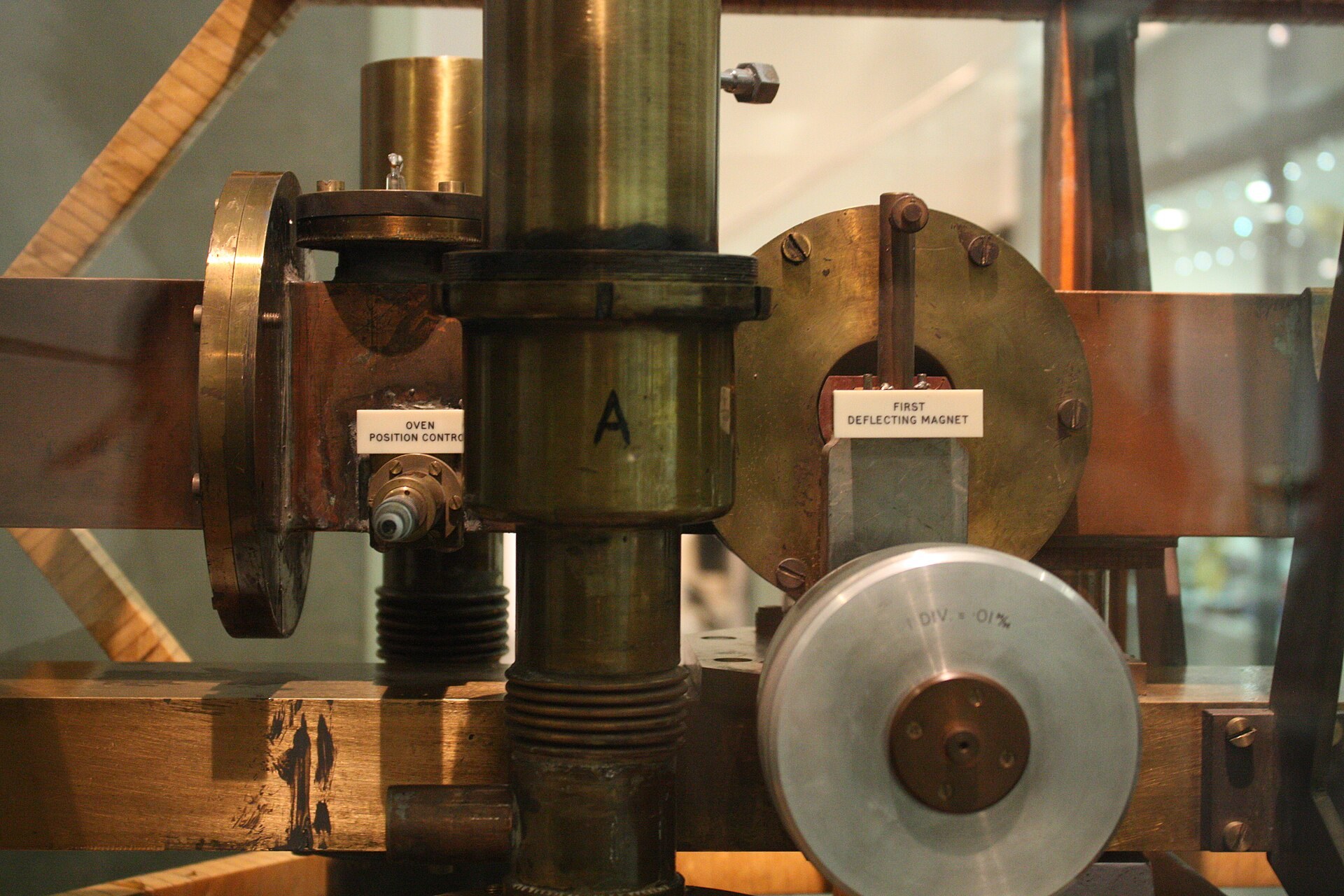
The leap second is dead. Long live the leap hour.
Timekeepers voted in Versailles to abolish the leap second, the extra second added 27 times since 1972 to keep atomic clocks in step with a wobbling planet. The replacement is patience: let the two drift apart, and fix it with an hour when it finally matters.
Versailles, France · October 18, 2026
File photo: Photo: U.S. Department of Energy, via Wikimedia Commons, Public domain.
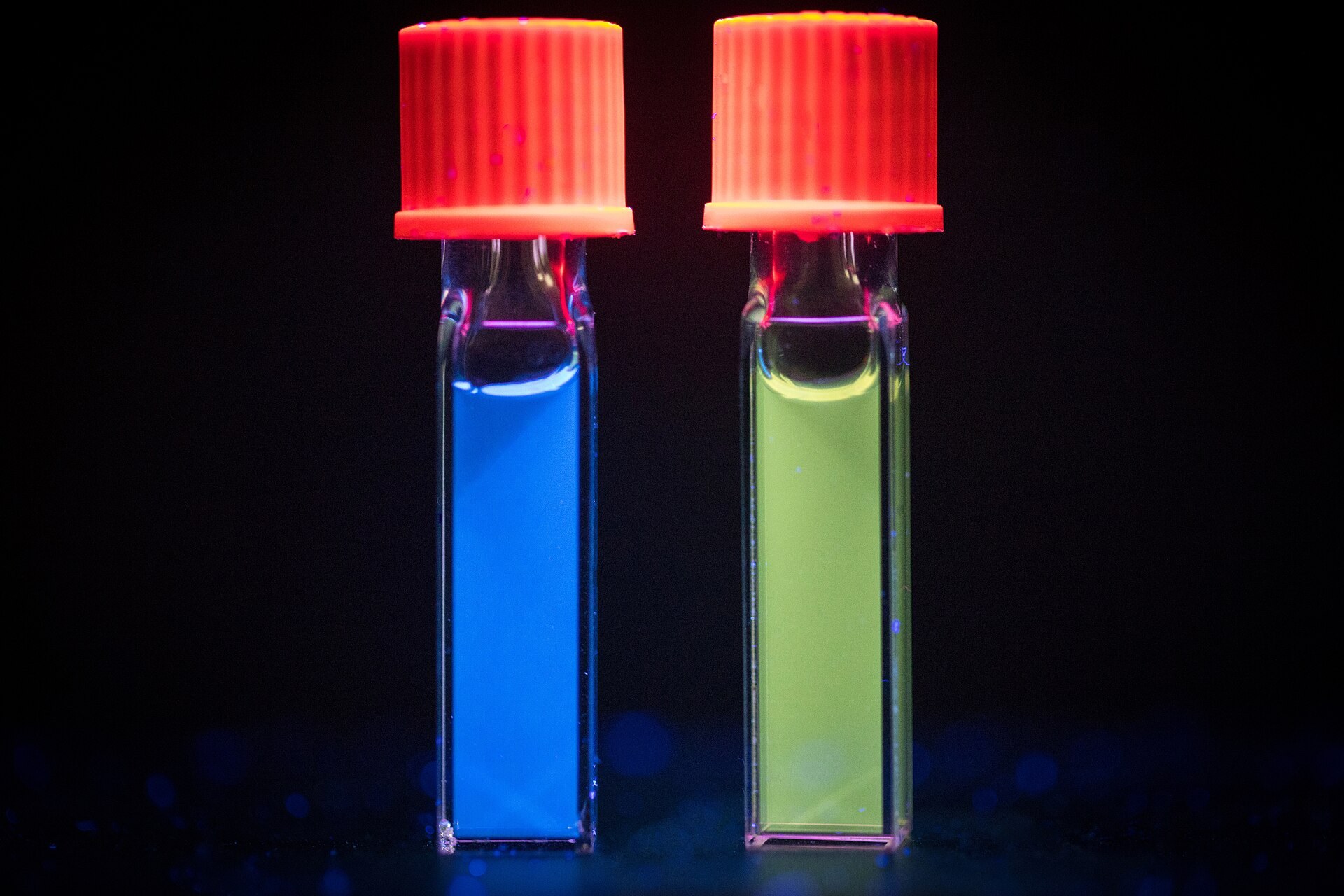
A voltage just taught graphene to switch its magnetism on and off
Cornell researchers have shown that applying a voltage to four layers of graphene slides the layers into a new pattern, flipping the material between nonmagnetic and magnetic states that stay put when the power is removed.
Ithaca, New York · October 18, 2026
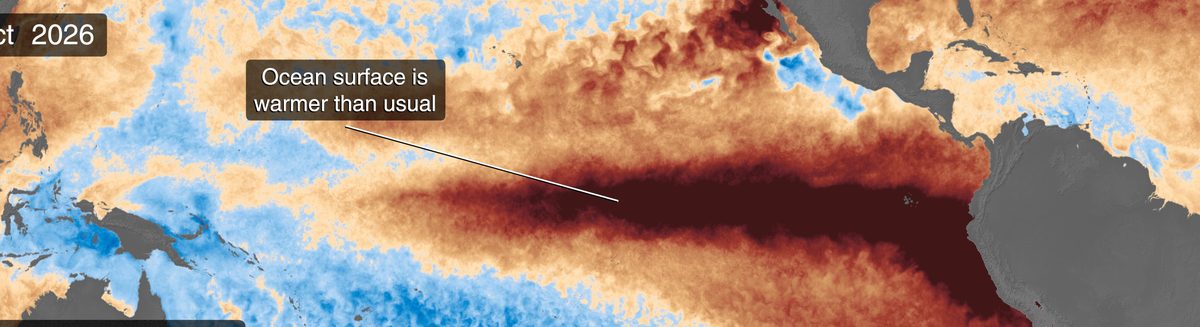
Photo: NASA Scientific Visualization Studio, Public domain.
The strongest El Nino since 1950 is taking shape in the Pacific
NOAA puts the chance at 83 percent that this El Nino passes every event in records going back to 1950. NASA satellites are tracking sea surface temperatures more than 4 degrees above normal in parts of the eastern Pacific, with the effects expected to run into early 2027.
Washington, United States · October 18, 2026
The Briefing
The day's world, market and sport, measured and in your inbox before breakfast. One email, no noise, free while we build it.
Subscribe by emailSubscribing opens your email app with a note to [email protected]. We never share your address.