The leap second is dead. Long live the leap hour.
Timekeepers voted in Versailles to abolish the leap second, the extra second added 27 times since 1972 to keep atomic clocks in step with a wobbling planet. The replacement is patience: let the two drift apart, and fix it with an hour when it finally matters.
Versailles, France · October 18, 2026
The region, on the map
Versailles, France, pinned where this story happened, with every other place-led Indeks story.
See it on The Indeks MapMember states at the 28th General Conference on Weights and Measures voted on Thursday to abolish the leap second, the extra second slipped in now and then to keep atomic time in step with the Earth's rotation. It has been added 27 times since 1972, most recently at the end of 2016, and each insertion is a small act of sabotage against the computing systems that assume time only ever moves smoothly forward. Clocks that jump, even by a second, break things: networks, exchanges, anything that timestamps events in sequence.
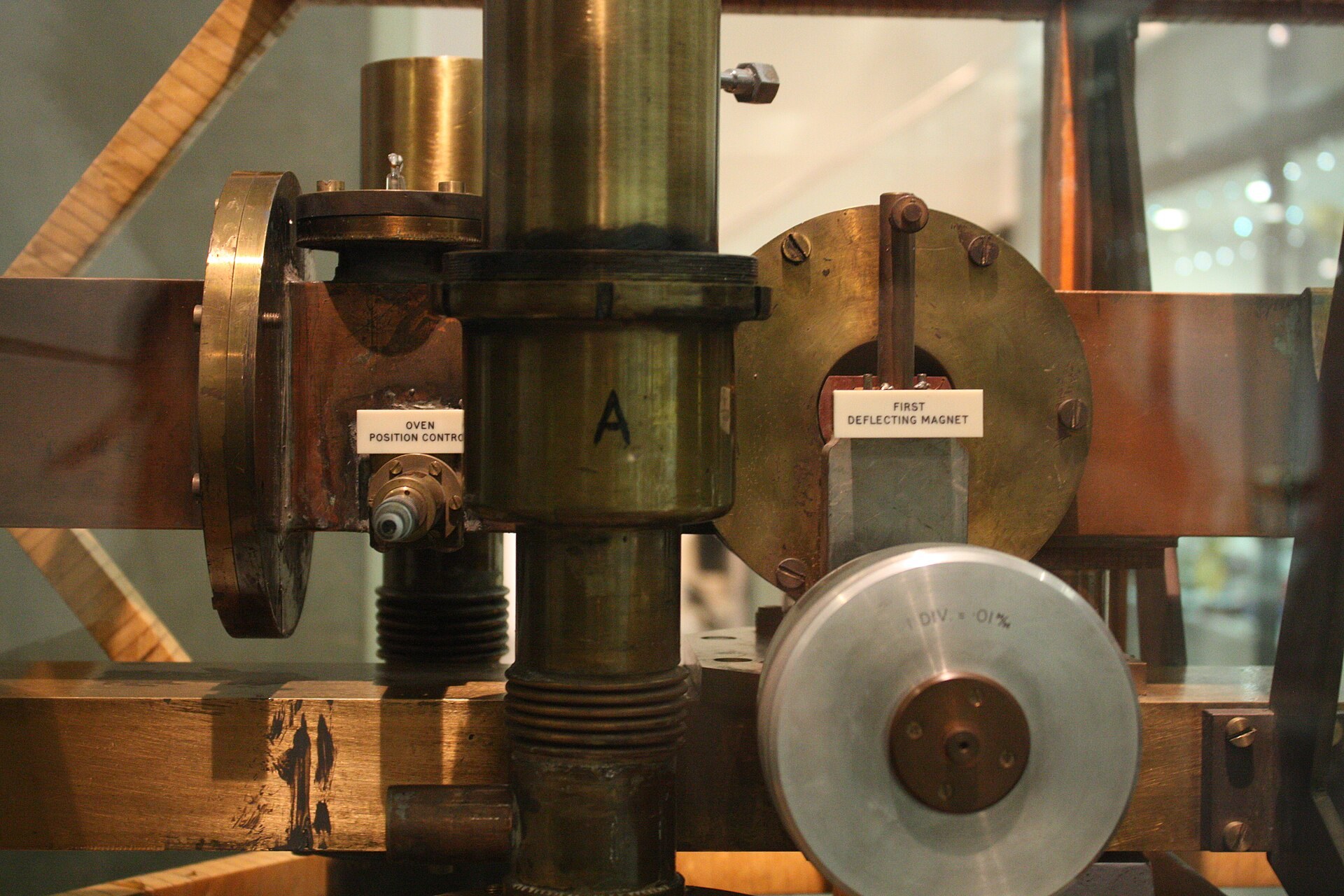
In its place comes a leap hour: coordinated universal time will be allowed to drift up to 3,600 seconds, a full hour, from Earth-rotation time before any correction is made, a threshold that at current rates may not be reached for thousands of years. Continuous UTC takes effect on May 20, 2027. The instrument that defines the second itself, the caesium atomic clock, is pictured with this story.
The timing was not an accident. The Earth's rotation has been speeding up slightly in recent years, which raised a prospect timekeepers had never faced: a negative leap second, a second subtracted rather than added, something no system on Earth has ever been tested on. Rather than rehearse for that, the conference chose the cleaner break. Atomic time and solar time now formally part company, and the old argument about when noon really is gets handed, politely, to a future none of us will see.
The Briefing
The day's world, market and sport, measured and in your inbox before breakfast. One email, no noise, free while we build it.
Subscribe by emailSubscribing opens your email app with a note to [email protected]. We never share your address.