Euclid found a comet it was never looking for
A telescope built to map distant galaxies has discovered its first comet, a streak in September deep field images that software flagged and the Minor Planet Center confirmed on October 8. It could one day be a target for a mission built to meet a comet.
Paris, France · October 20, 2026
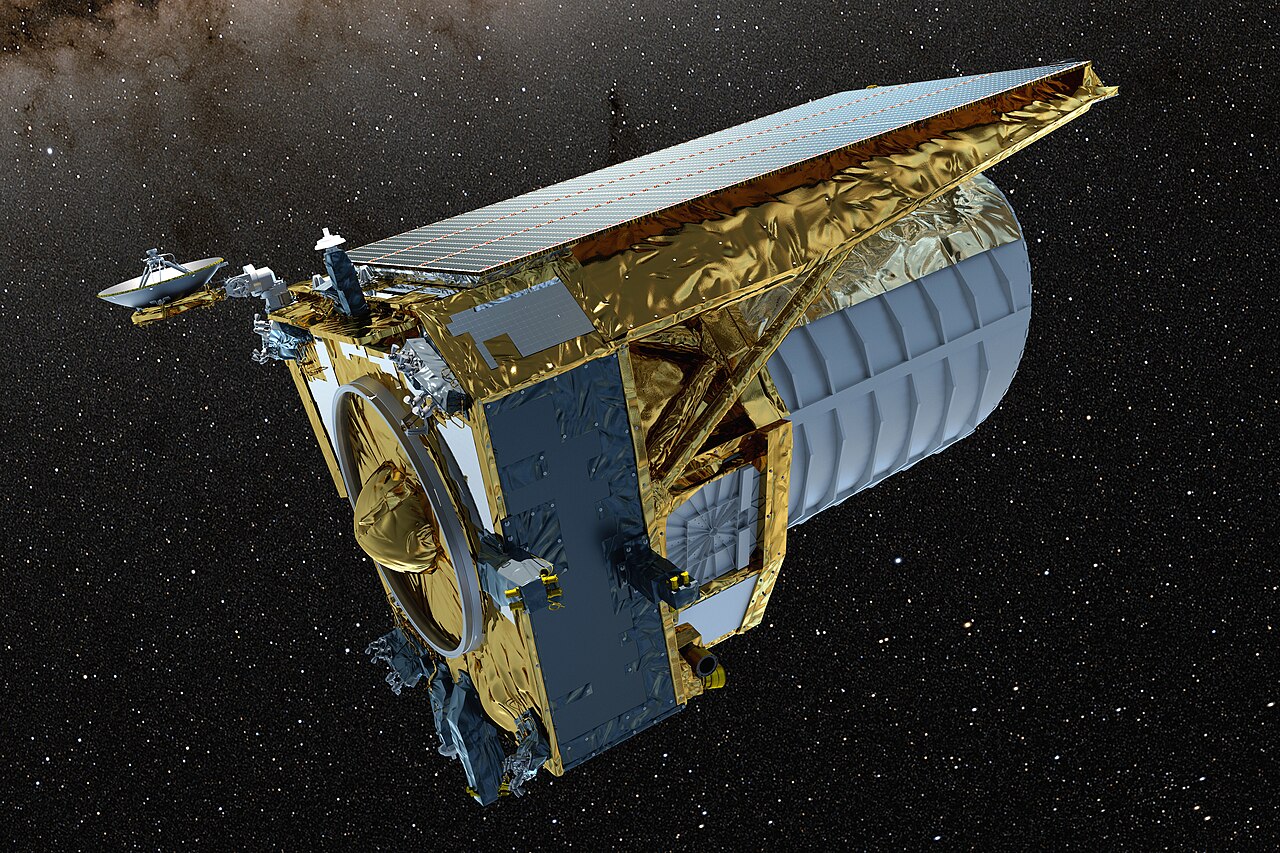
The Euclid space telescope was built to map distant galaxies. In images taken between September 16 and 24, it found something much closer to home instead: a streak that turned out to be a previously unknown comet, the first Euclid has discovered. Software written by Mikko Pontinen flagged the streak across five sets of images, and the object showed the fuzzy coma of an active body shedding dust and gas.
The Minor Planet Center confirmed the discovery on October 8, and the comet now carries the name C/2026 S1 (Euclid). It sits about 810 million miles from Earth, which sounds remote until you remember what Euclid normally studies. This is a telescope aimed at the deep field stumbling, productively, over its own solar system.
There is a practical sequel on the table. The European Space Agency notes the comet could become a possible target for its Comet Interceptor mission, a spacecraft designed to wait in space for a suitable comet to visit. A target found years ahead of need is exactly what a mission like that is short of, because fresh comets rarely arrive on a convenient schedule.
Discoveries like this are a reminder of what survey telescopes actually do. Point a very sensitive camera at the sky often enough and it records everything, including the things nobody tasked it to find. Euclid's comet was sitting in data gathered for another purpose entirely. The archive, read carefully, turned out to contain a second mission hiding inside the first.
The Briefing
The day's world, market and sport, measured and in your inbox before breakfast. One email, no noise, free while we build it.
Subscribe by emailSubscribing opens your email app with a note to [email protected]. We never share your address.