Washington has sanctioned Rwanda's defence ministry, and its own peace deal is caught in the blast
The Treasury says Kigali sent thousands of troops to fight alongside M23 in eastern Congo and used a Rwandan bank to move money and gold. The awkward part is the signature on last December's Washington Accords: Rwanda's.
Washington, United States · October 28, 2026
Governments sanction rebel groups and generals all the time. Sanctioning a partner's defence ministry is a different kind of sentence, and on Wednesday the US Treasury wrote it about Rwanda. The Office of Foreign Assets Control sanctioned Rwanda's Ministry of Defence and Zigama Credit and Savings Society, a Rwandan financial institution that operates on behalf of the country's security services, over the war still grinding on in eastern Congo. This was not Washington nudging an ally in private. It named the ministry itself, and a bank, and laid out in public what it says both of them have been doing.
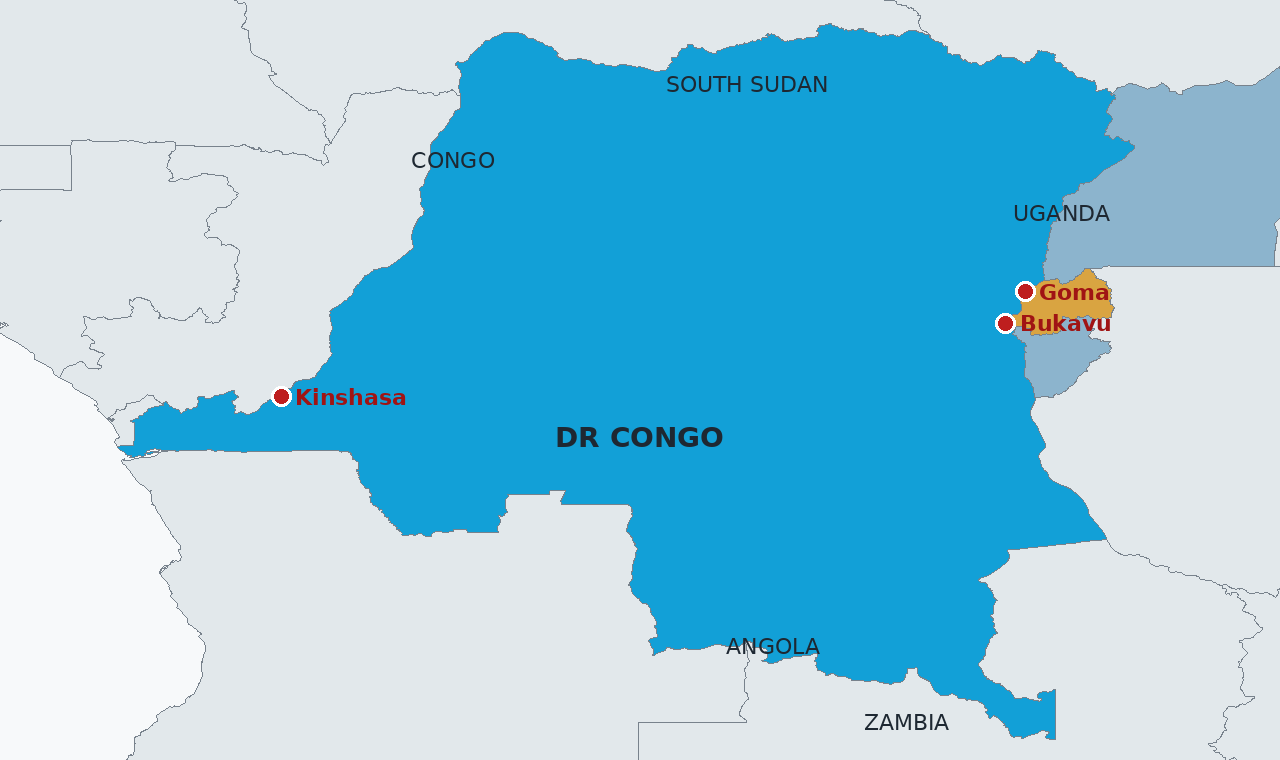
The ground underneath the announcement has barely moved in almost two years. M23 holds large parts of North and South Kivu, and in early 2025 the rebels took Goma and Bukavu, eastern Congo's two biggest cities. The United Nations and Western governments say Rwanda backs the group, and Kigali has always said no. What changed on Wednesday is that Washington stopped treating that denial as a diplomatic courtesy. The Treasury says the defence ministry directed the Rwanda Defence Force, itself sanctioned by the United States on March 2 this year, to deploy thousands of troops across the two Kivu provinces, fighting alongside M23 and bringing military equipment with them, including surface to air missile systems and jamming equipment that the Treasury says poses risks to civilian aviation. It says Zigama helped pay for the machine, facilitating payments to entities in China and other countries for weapons, ammunition and other equipment for the Rwandan force, handling transactions for M23 and its political wing, and running a branch that enabled gold from rebel held territory in Congo to be transported into Kigali.
That is why the target list reads the way it does. A ministry is the state in uniform, impossible to describe as a rogue unit, and a bank is where a war's paperwork lives. Sanctioning the pair together tells Kigali that Washington is no longer separating Rwanda the peace partner from Rwanda the belligerent, because on the Treasury's account they are the same government doing both jobs at once. Treasury Secretary Scott Bessent put the demand in one line: Rwanda must halt its support for M23 and withdraw its troops from eastern Congo. Congo's foreign ministry, for its part, welcomed the move and said the same thing from the other side of the border.
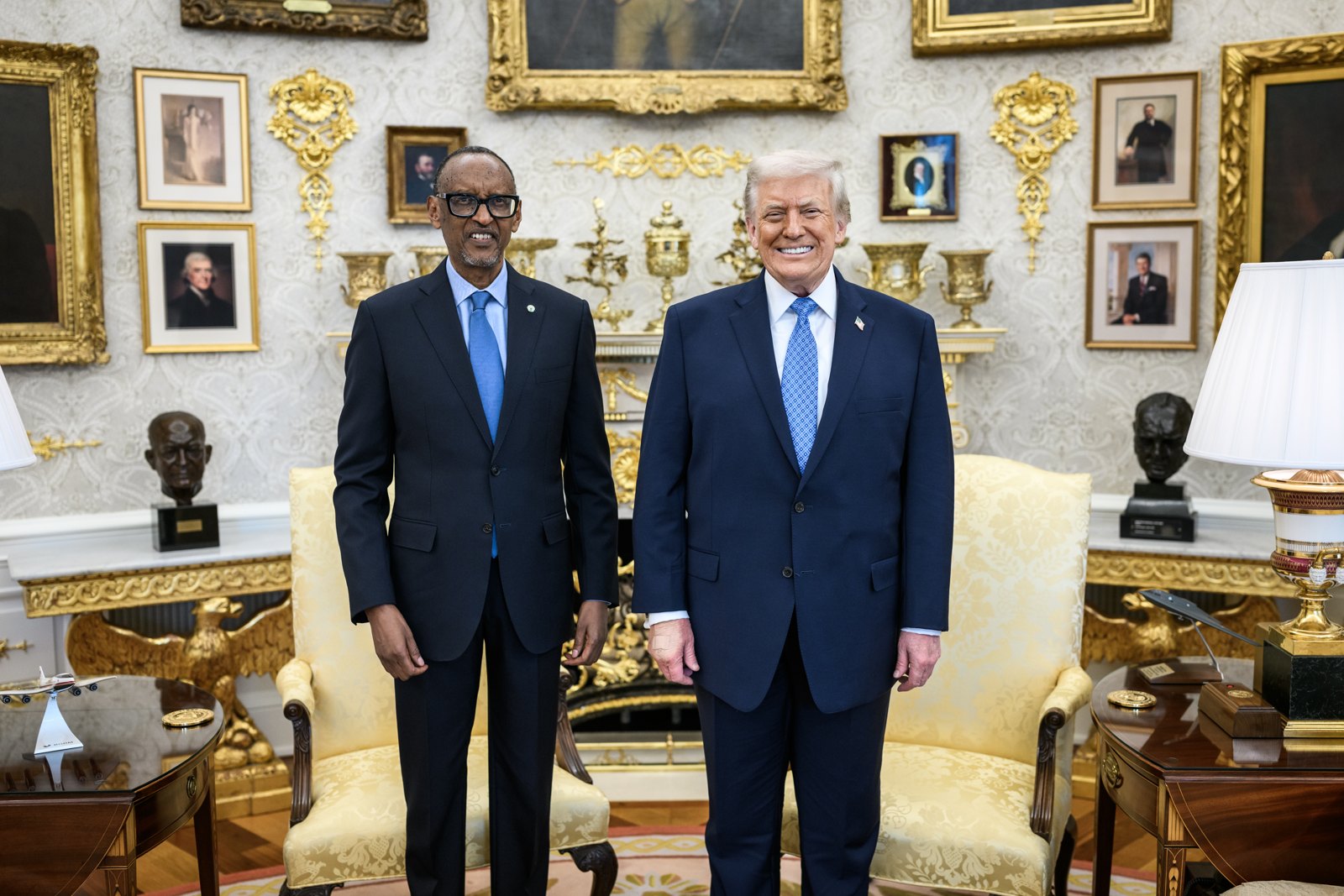
The twist is sitting in the photograph above. Last December, Rwanda and Congo signed the Washington Accords for Peace and Prosperity at the White House, a deal brokered by the United States and meant to end this exact war. Fighting has continued since, with little change on the ground, so the sanctions land less as pressure on an enemy than as an admission about a signature: the partner Washington brought to the table never left the battlefield. Kigali's answer, through government spokesperson Yolande Makolo, was to point back at the deal's other column. The accords carry commitments to neutralise the FDLR, a Hutu militia rooted in the 1994 genocide that Rwanda regards as an existential threat on its border, and Makolo said those commitments remain unmet, adding that Rwanda is ready to implement the accords in full at the same time as Congo fulfils its side. Read the two statements together and the deadlock has a clean shape. Each capital says it will move when the other one does, and the troops stay where they are while they argue about the order.
Our call is that the sanctions squeeze the money first and the map last, and that is still enough to matter. Nothing in Wednesday's move pulls a single Rwandan soldier out of the Kivus by itself, and Kigali's FDLR condition gives it a principled sounding reason to hold its ground. But a sanctioned defence ministry and a sanctioned bank raise the price of the whole arrangement, in finance, in equipment and in reputation, for a government that has built its standing in Washington on being the region's reliable partner. The accords will not be torn up, because neither side gains from handing the other a collapsed deal to point at. Expect them to survive on paper while the pressure ratchets in practice, designation by designation, until a sequence both capitals can sell at home appears: a verifiable move against the FDLR traded against a verifiable Rwandan pullback. Watch for any sign that the two sides are negotiating that sequence, rather than restating their conditions, because that is the moment Wednesday's sanctions will have done their work.
The Briefing
The day's world, market and sport, measured and in your inbox before breakfast. One email, no noise, free while we build it.
Subscribe by emailSubscribing opens your email app with a note to [email protected]. We never share your address.