One week out, the House looks settled. The Senate comes down to seven states.
About 32 million Americans have already voted, every major poll this month puts Democrats ahead nationally, and the House ratings moved past the point of argument last week. What is left is a Senate fight squeezed into seven toss-up states, six of them held by Republicans.
Washington, United States · October 28, 2026
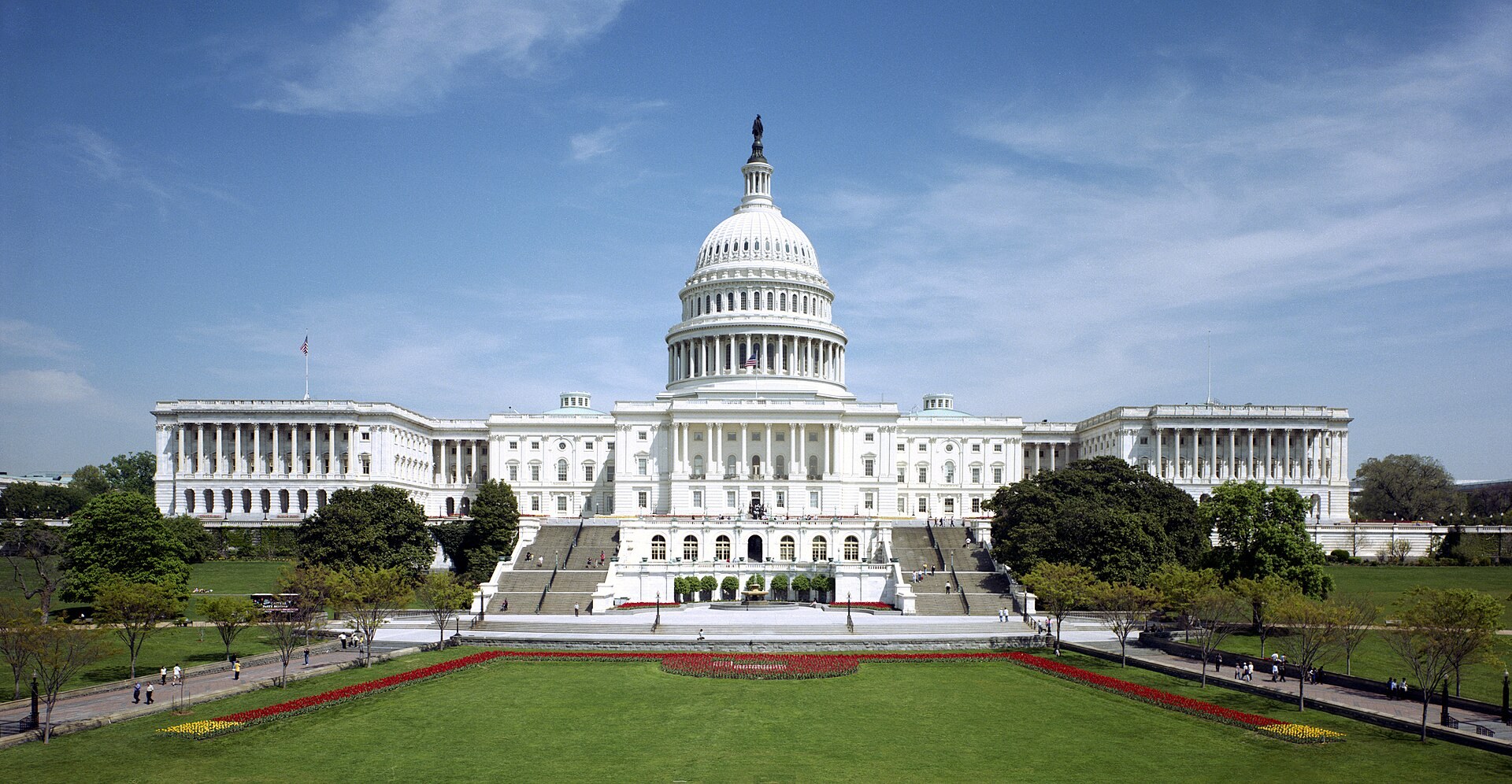
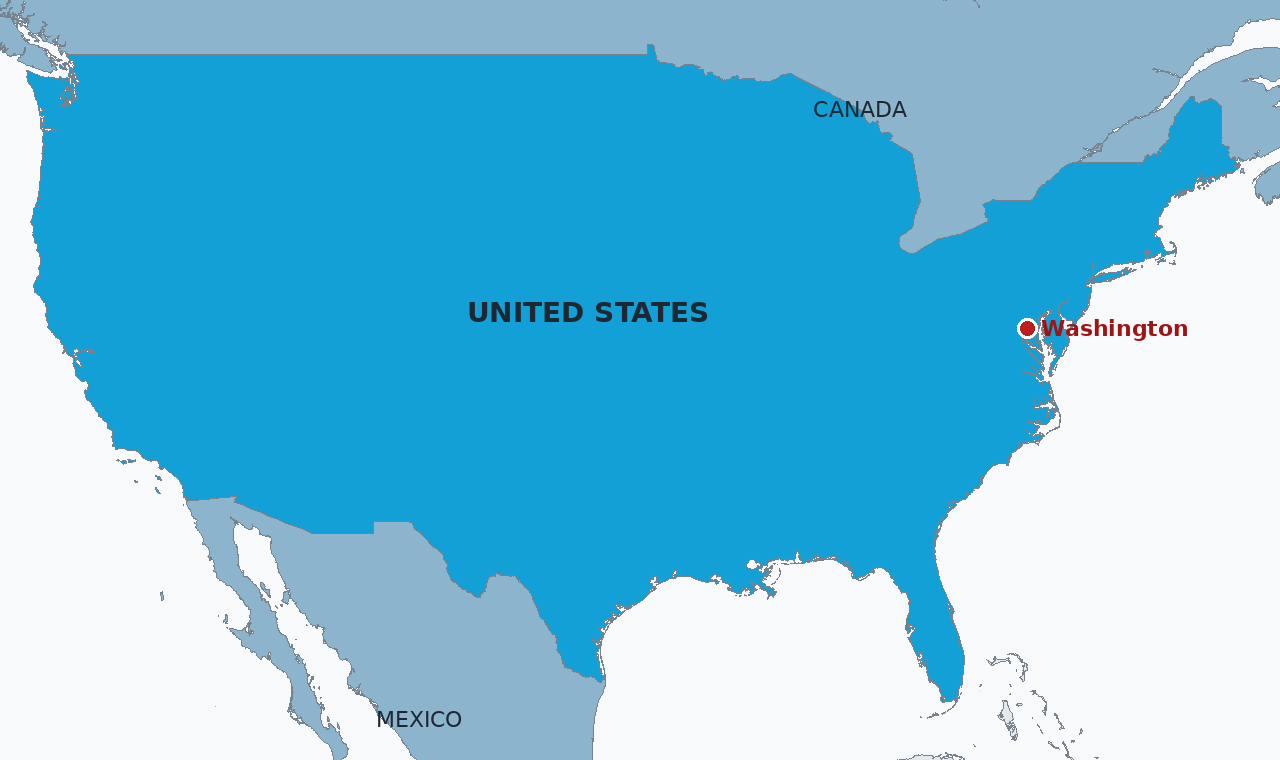
The lines formed before the argument did. Early voting opened in New York with queues round the block, Georgia set a record on its first day with 188,667 ballots cast, about 40 percent above the first day of 2022, and by Tuesday the University of Florida Election Lab counted roughly 32 million ballots already in nationwide, more than a quarter of every vote cast in the 2022 midterms. Those ballots are banked, not counted, and nobody honest can say whose they are. But a campaign that is losing the country rarely likes a turnout story, and this week every other number points the same way.
Start with the national mood, because it barely flickers from poll to poll. The New York Times and Siena survey put Democrats 11 points ahead on the generic ballot, the question that asks voters which party they want running Congress. NBC had the gap at 10, Marist at 8, and Reuters and Ipsos at 9 once undecided voters were pushed to say which way they lean, in a poll of 1,679 adults that closed on Monday. The average sits at about nine points, and the same Reuters and Ipsos survey put President Donald Trump's approval at 32 percent, up a single point from the record low it set a week earlier. A governing party can survive one bad number. It struggles to survive all of them at once, six days before the vote.
That is why the House argument is close to over. On October 23 the Cook Political Report moved 19 more races toward the Democrats and none toward the Republicans, leaving Democrats favoured in 220 districts, past the 218 needed to control the chamber, with Republicans favoured in 198 and 17 races left as toss-ups. Cook projects a Democratic gain of 12 to 22 seats, and its House analyst Erin Covey wrote that the Republican path to holding the chamber has all but evaporated. The prediction markets agree in their own colder language: Polymarket priced a Democratic House at about 92 percent this week and Kalshi at about 91 percent. Prices are not promises, but when the raters, the polls and the money all land in the same place, the remaining question is the size of the majority, not its owner.
The Senate refuses to settle so easily. Republicans hold it 53 to 47, and because Vice President JD Vance breaks a 50-50 tie, Democrats need a net gain of four seats to take it outright at 51. Cook rates exactly seven Senate races as toss-ups: Texas, Ohio, Iowa, Maine, Michigan, Alaska and Kansas. Six of the seven are held by Republicans. Michigan is the one Democratic seat on the line, which hands Democrats more ways to win than to lose, provided they hold the seat they already have. The spotlight races show how thin the margin is. A Fox News poll of 1,398 likely voters in Texas had James Talarico and Ken Paxton level at 49 percent each. In Ohio, Sherrod Brown led Jon Husted by five in the Fox survey. In Michigan, a Marist poll had Abdul El-Sayed ahead of Mike Rogers by two, 50 to 48. The markets lean Democratic in all three, at about 67 percent for Talarico and about 70 percent for Brown and for El-Sayed, though a market price is a bet on other people's votes, not a count of them.
The honest caveat is that the forecasters agree on the direction and argue about the size. Decision Desk put Democratic Senate control at 57 percent, VoteHub at 60 percent and the Silver Bulletin at 76 percent, a spread wide enough to drive a polling miss through. Polls are snapshots of people who answered, and the errors, when they come, tend to arrive together: if the surveys have understated Republican turnout by a few points in Texas, they have probably done something similar in Ohio and Iowa, and the whole map moves at once. Republicans do not need the national numbers to be wrong by much. They need the seven toss-ups to break their way on a single night, and toss-ups, by definition, can.
Our call is that the House flips by a margin inside Cook's range and the Senate follows it, narrowly, 51 to 49. The logic is arithmetic before it is optimism: Democrats can lose two of the six Republican-held toss-ups and still get there, as long as Michigan holds, and the races they need most, Ohio and Michigan, are the ones where their candidates actually lead in print rather than merely in prices. The risk to that call is named plainly above, a shared polling error, and it is a real one. But a party that needs one good night in seven states is in a weaker position than a party that needs a decent night in four of them, and that asymmetry, more than any single poll, is what one week out actually looks like. Tuesday gets the final say, and the first returns from Ohio and Maine will tell most of the story before Texas even closes.
The Briefing
The day's world, market and sport, measured and in your inbox before breakfast. One email, no noise, free while we build it.
Subscribe by emailSubscribing opens your email app with a note to [email protected]. We never share your address.