Ukraine turned Russia's pipeline trick back on it near Kupiansk
President Zelenskiy revealed the Veles operation for the first time in his nightly address, alongside the Vivaldi push that cleared 75 square kilometres north of Sloviansk and Kramatorsk. Kyiv calls its battlefield position the strongest in some time.
Kyiv, Ukraine · October 28, 2026
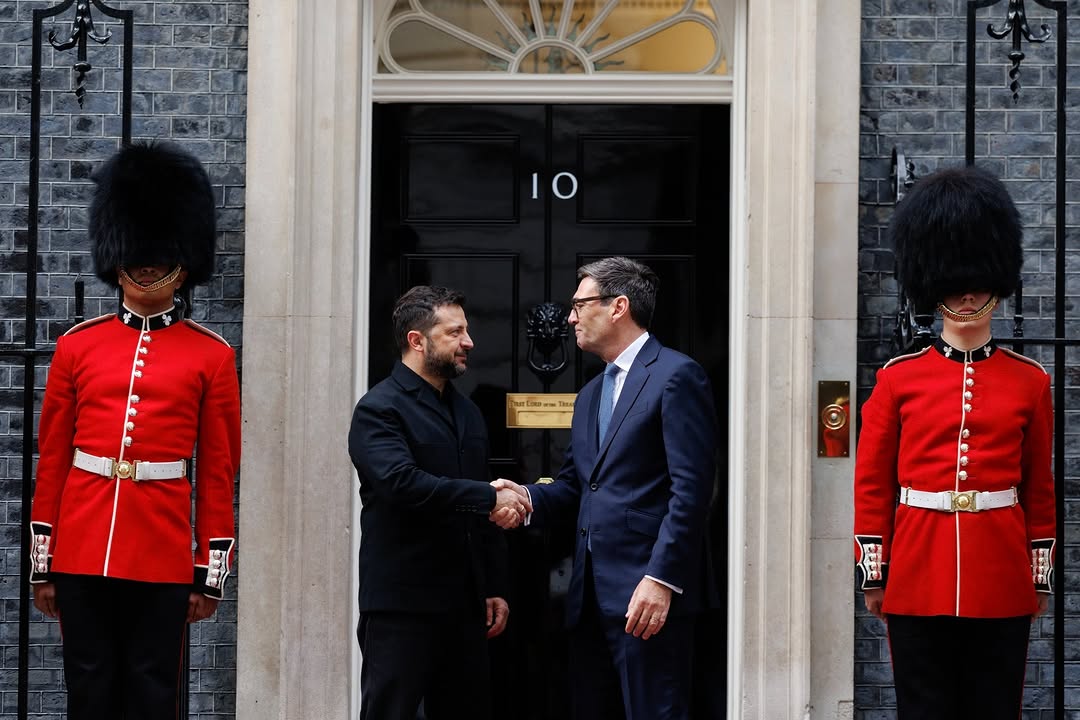
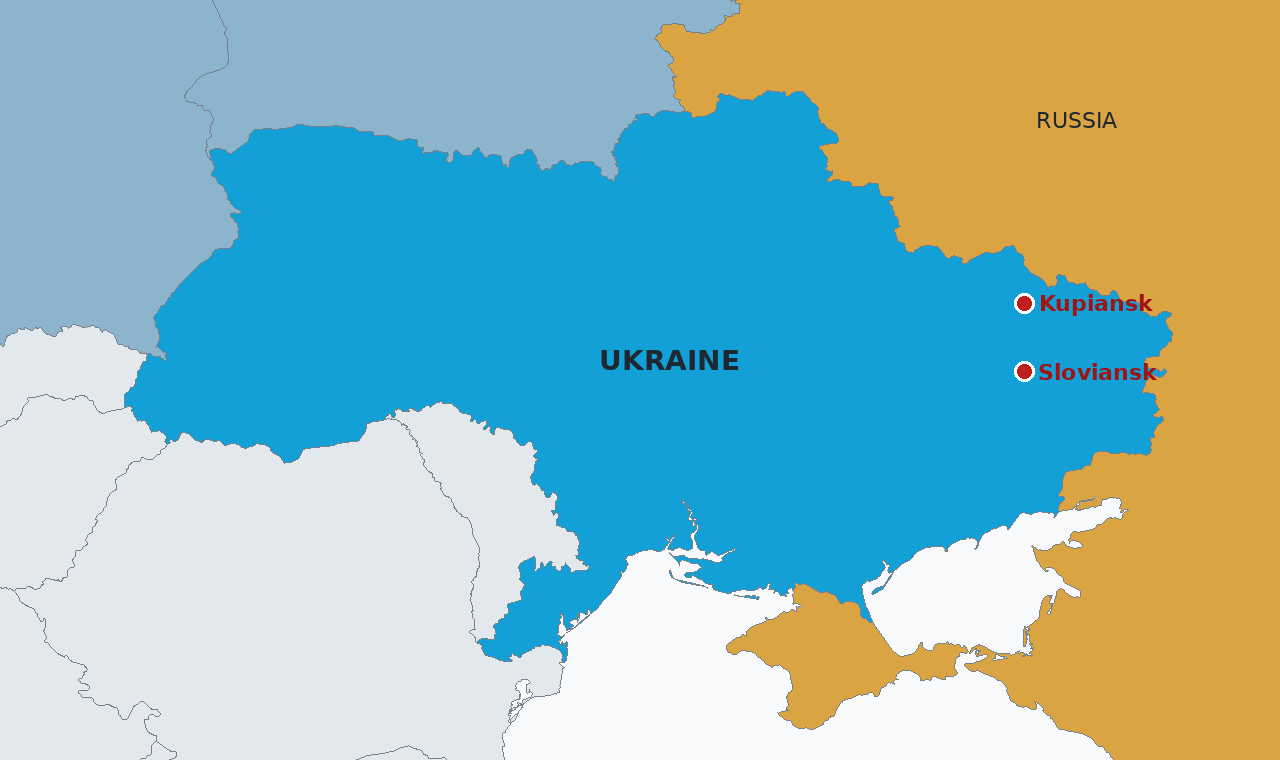
The tactic was Russia's first. Russian troops used underground gas pipelines to slip past Ukrainian positions and appear where they were not expected. Near Kupiansk, in the northeast, Ukraine just did the same thing back. President Volodymyr Zelenskiy, speaking in his nightly video address on Tuesday, named the Veles operation for the first time and described it in his own words: Kyiv's fighters turned the underground infrastructure against the Russians, with what he called extraordinary success, around a city Ukraine recaptured in late 2022 and Russia has pressed ever since.
Veles was not the only operation he listed, and the list was the point. In the Vivaldi operation further north, a senior commander reported last month that the Third Army Corps had cleared 75 square kilometres of Russian infiltration groups and recaptured a further 10 square kilometres, north of Sloviansk and Kramatorsk, the fortress belt cities whose capture would bring Russia closer to taking the whole Donbas. Zelenskiy also pointed to an air assault operation in the east and to an August offensive further south where 26 villages returned to Ukrainian control. One operation is an incident. Four, named in one address, are an argument that the initiative is moving.
Why Kyiv is talking this way now sits underneath the detail. Zelenskiy said Ukraine's battlefield position was the strongest in some time in a war now four and a half years old, and in the same breath said it could be made stronger with more air defence systems from Western allies. That pairing is deliberate. Good news from the front is Kyiv's strongest currency with the governments that supply its weapons, and a president announcing recaptured ground while asking for air defence is spending that currency at the moment it is worth most, before winter and before allied budgets are set.
None of this decides the war, and the map still cuts the other way in plenty of places. Kupiansk remains under constant Russian pressure, the fortress belt remains Russia's prize in the east, and an operation revealed by one side, in a speech aimed partly at allies, has not been independently mapped metre by metre. Russia will answer somewhere, because that is what this war does with local successes. The honest reading is narrower than Kyiv's framing and still real: Ukraine is attacking, in several places, with a borrowed Russian tactic, and choosing to say so out loud.
Our call is that the Veles reveal matters more as a signal than as ground. Armies do not usually announce a covert route the moment it works, because announcing it closes it. Kyiv announced it anyway, which suggests the pipeline route had already served its purpose and that the larger prize was the message to Moscow and to allies: Ukraine can still plan, surprise and advance, not just endure. Watch whether the next addresses name new operations or return to defending the ones already claimed. A second wave of named offensives would confirm a genuine shift in initiative. Silence would suggest Tuesday was a good week presented as a turning point.
The Briefing
The day's world, market and sport, measured and in your inbox before breakfast. One email, no noise, free while we build it.
Subscribe by emailSubscribing opens your email app with a note to [email protected]. We never share your address.