Full speed again over Ukraine, and now everyone can see the switch
For twelve days the satellite link Ukraine's front line talks through was capped at drone speed, and commanders lost drones mid mission. This weekend Kyiv says the signal is back at full speed. Elon Musk says SpaceX closed a loophole itself, Washington's role is still disputed, and Europe has drawn the awkward conclusion: it needs satellites of its own.
Kyiv, Ukraine · October 25, 2026
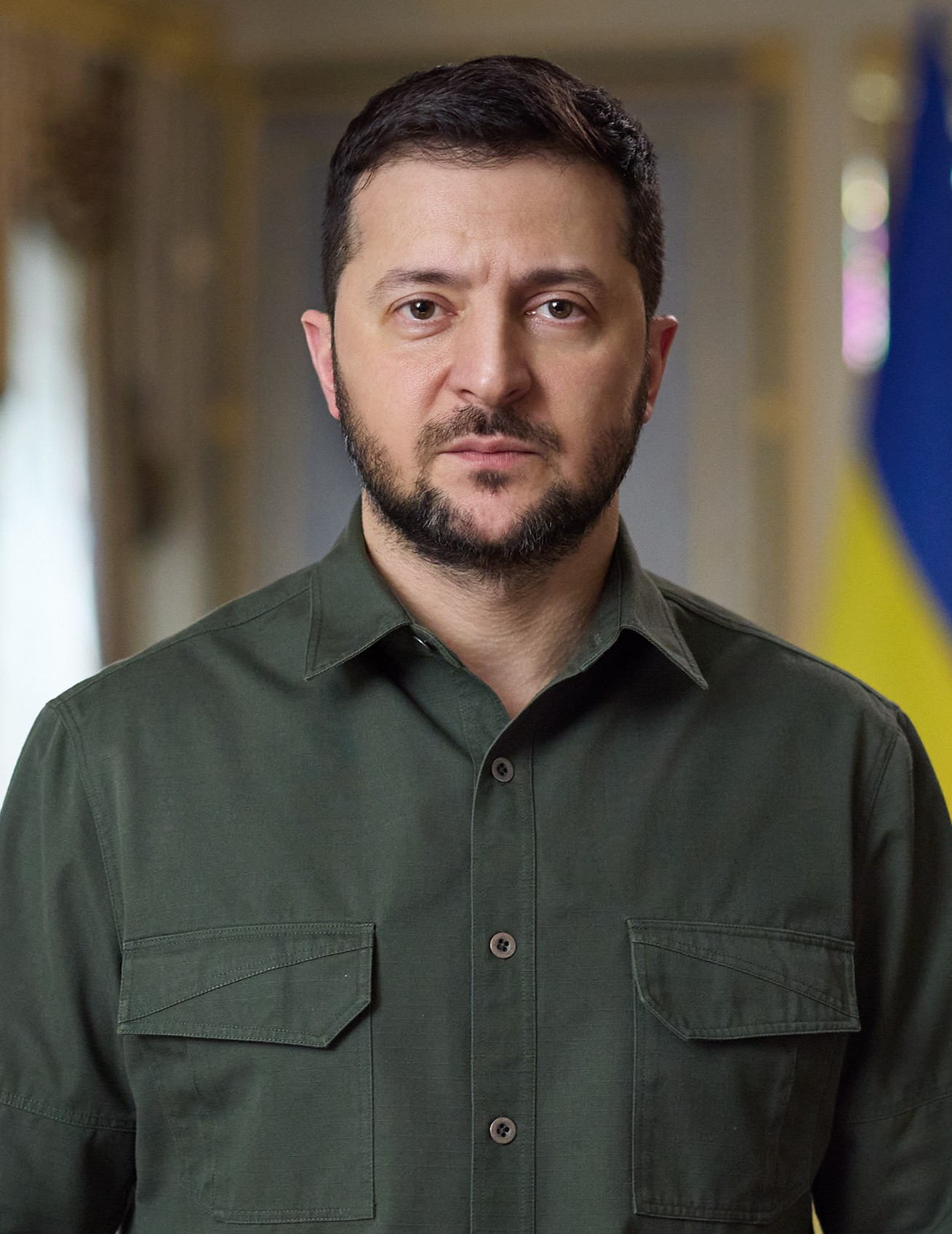
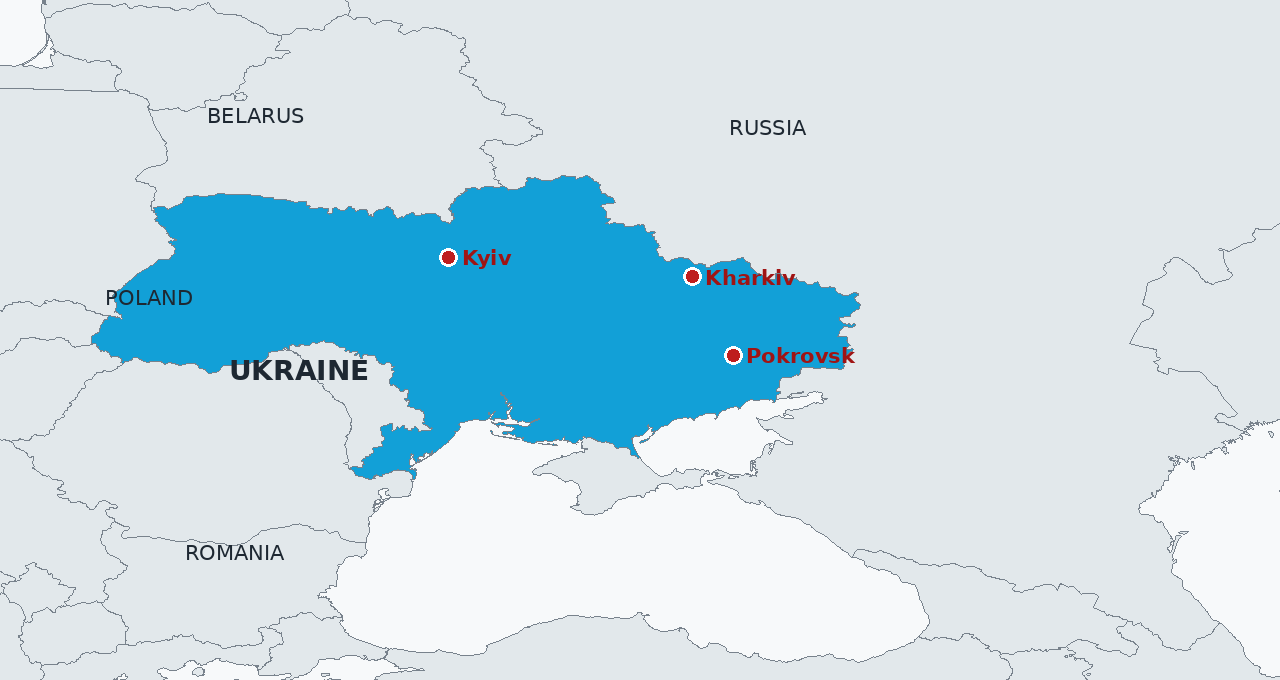
The message from Kyiv on Saturday morning was short, and it carried twelve days of frustration inside it. President Volodymyr Zelenskyy said the speeds on Ukraine's satellite link were back where they need to be. Defence Minister Yevhenii Khmara backed him with numbers: the ministry's monitoring was recording connections on equipment moving faster than 400 kilometres an hour, and the connection was stable. For the units on the front line, that sentence meant their drones could fly properly again.
What had been taken away sounds almost too small to matter in a war, until you follow it to the front. Since October 13, the link had cut out on anything moving faster than 160 kilometres an hour. That is drone speed, basically. Ukrainian commanders reported drones lost in flight and missions falling apart, and the cap bit hardest against the interceptor drones Ukraine uses to chase down Russia's jet powered Shahed attack drones, the machines that have to move fast at exactly the moment their connection died. The restriction covered Starlink, the commercial service, and Starshield, the military version Kyiv treats as the backbone of its drone operations and front line communications. As recently as Friday, with the cap still in place, presidential adviser Serhiy Beskrestnov was saying publicly that no lifting of the speed limits could be observed.
In those same twelve days, Kyiv took some of the hardest hits of the autumn, and the dates sit uncomfortably close to the cap. On the first night of the restrictions, October 13 into 14, Russia fired 39 ballistic missiles at Ukraine's energy network and hit all three of Kyiv's combined heat and power plants. Ukraine's air force stopped only four of them. Three people were killed in the capital and about 600,000 lost power. Eight nights later, 21 more ballistic missiles came at Kyiv in three waves and none was brought down, killing one person and wounding 22. No honest account can pin those impacts on the satellite cap, and Ukrainian officials attributed the low interception rate to a shortage of Patriot interceptors and late launch warnings. What officials did tell Reuters is narrower and still damning: the restrictions undermined Ukraine's ability to intercept Russian attack drones. The missiles and the cap were not the same weapon, but they landed in the same twelve days, on the same city, while its defenders were working with one hand slowed.
Then Elon Musk explained himself. After the restoration, Musk acknowledged on X that SpaceX had throttled the commercial Starlink service on purpose. Using Starlink, a civilian commercial service, for offensive drone strikes to kill people has never been allowed, he wrote, and the loophole was closed last week. Starshield, he maintained, is a different matter: the military system is controlled by the United States government, and any change to it is Washington's call, not his. Who actually ordered the wider slowdown is still contested, and the denials are part of the record. Reuters reported that the Starshield throttle order came from inside the White House, which the administration has not confirmed. President Trump says he did not make the call and that Musk should not be blamed. Vice President Vance hinted at White House coordination, while Secretary of State Marco Rubio and Defence Secretary Pete Hegseth denied administration involvement. Kyiv, for its part, credited the fix to direct dialogue and to Zelenskyy's diplomacy with Washington, and left the blame where it lay.
None of this arrived out of nowhere. Only last Tuesday in Oslo, Zelenskyy announced that American early warning of Russian missile launches, another flow that had quietly stopped, was working again, and he said then that he hoped the full satellite connection would follow within 48 hours. It took longer than that, and it took the argument going public. The pattern across the month is the story underneath the story: a warning flow switched off in a quarrel and switched back on after a summit, a satellite link capped for twelve days and restored after the pressure became impossible to ignore. Each restoration is real, and each one teaches Kyiv the same lesson about how conditional the help underneath its war effort can be.
Europe watched the episode and reached the conclusion it has been circling for two years. Officials in Europe were rattled by the limits, Reuters reported, with some arguing that Europe must now develop its own military satellite communications, because there is no viable short term alternative to the American system. Starlink is the lifeblood of front line communication for Ukrainian units, and for twelve days that lifeblood ran through a valve that a private company, a foreign government, or some disputed combination of the two could close without asking anyone in Europe, or in Kyiv.
Our call is that the restoration settles the outage and nothing else, and that the next fight over this link will not be about speed at all. It will be about terms: whether a commercial service's conditions can lawfully ground a country's air defence in the middle of a war, and who signs the order when the military version slows down. Expect two concrete moves from the discomfort this month created. Kyiv will build redundancy it can control, even if the backup is slower and worse, because a second link that cannot be capped from California or Washington is worth more than a perfect one that can. And Europe's talk of its own military satellites will turn into funded procurement faster than Brussels usually moves, because every defence ministry on the continent just watched a front line go half blind for twelve days over a contract dispute it was not party to. The drones are flying again. The switch, though, is visible now, with a hand resting on it, and that picture does not get unseen by anyone planning the next phase of this war.
The Briefing
The day's world, market and sport, measured and in your inbox before breakfast. One email, no noise, free while we build it.
Subscribe by emailSubscribing opens your email app with a note to [email protected]. We never share your address.