Two Dan Sullivans, one Senate seat, and a lawsuit waiting on the count
Alaska's ballot carries Senator Dan S. Sullivan and Daniel J. Sullivan Jr, a retired teacher from Petersburg. The Justice Department has sued to block certification of the Senate result if the namesake's votes turn out to have cost the senator his seat against Mary Peltola.
Anchorage, United States · October 26, 2026

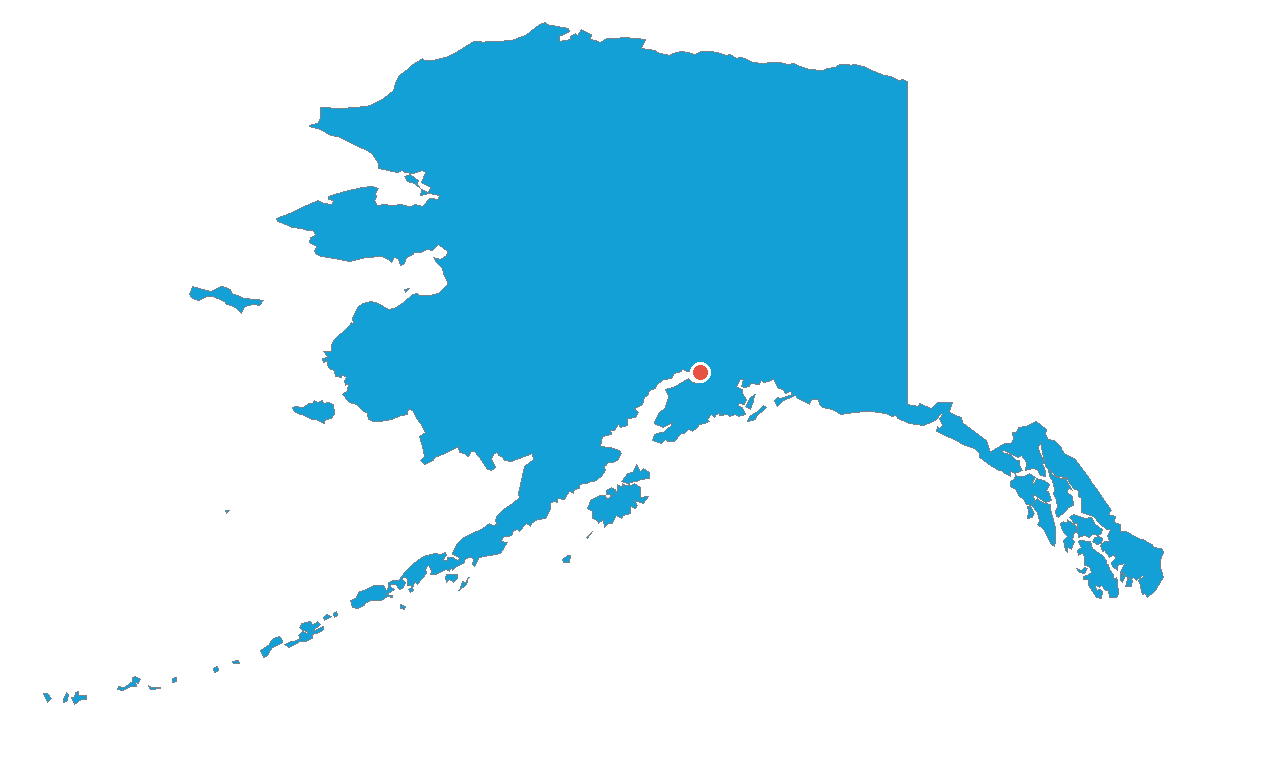
Start with the ballot itself, because the ballot is the problem. Alaska voters choosing a senator this year find Dan S. Sullivan, the Republican who has held the seat since 2015, and a few lines away Daniel J. Sullivan Jr, a retired teacher from Petersburg who shares his name and not much else. Last week the United States Department of Justice turned that confusion into a court case. In a suit filed in Anchorage on Thursday, United States v. Alaska, Washington asked a judge to block certification of the result if Senator Sullivan loses to the Democrat Mary Peltola and the votes cast for his namesake would have changed the outcome.
Nothing about the namesake is hidden, and that is what makes the case so strange. Alaska's own Supreme Court has already kept Daniel J. Sullivan Jr on the ballot, and he has every legal right to be there. His support is small but not trivial: in the August primary he took 2.5 percent of the vote, against 49.5 percent for Peltola and 41.4 percent for the senator. Polling since then has put Peltola ahead by two to three points. Run those numbers together and the shape of the federal argument appears. In a race this tight, a namesake pulling even a fraction of his primary vote by mistake could plausibly cover the whole margin, so the Justice Department wants the remedy agreed before a single general election ballot is counted.
Peltola's campaign reads the same filing and sees something else entirely: a federal government moving in advance to set aside an election its preferred candidate might lose. Her side has called the suit a despicable political threat aimed at overturning a result, and the charge lands because the trigger is so specific. The suit does not claim the ballot is illegal. It asks for the count to be held hostage to a hypothetical, that enough voters picked the wrong Sullivan by accident to have decided the seat, a thing that can only ever be argued after the fact, never proved voter by voter from a secret ballot.
That gap between suspicion and proof is where this case will be fought. American courts have dealt with confusingly similar names on ballots before, and the usual answer is that voters are presumed to know who they voted for, and that campaigns, not judges, carry the job of telling their man apart from the other one. The senator's campaign has the money and the megaphone to do exactly that between now and election day. What it cannot do is unprint a lawful name, which is why the fight has moved from the ballot to the certification, the one moment where a court order can still stop a result becoming final.
Our call is that the suit fails on its own logic even if it survives in court, because it asks the legal system to measure something a secret ballot is designed to make unmeasurable. No count can separate a Sullivan vote cast in error from one cast on purpose, so any remedy would rest on a guess dressed as a finding, and a Senate seat handed over on a guess would damage the very confidence the filing claims to protect. Watch the simpler contest underneath the legal one: if the senator's campaign spends the closing weeks teaching Alaska the difference between the two Dan Sullivans, the namesake's vote should shrink toward nothing and the lawsuit becomes a footnote. If the race stays within a point, expect this filing, not the count, to decide who Alaska sends to Washington, and expect every close race in America to copy the tactic.
The Briefing
The day's world, market and sport, measured and in your inbox before breakfast. One email, no noise, free while we build it.
Subscribe by emailSubscribing opens your email app with a note to [email protected]. We never share your address.