No strike today, says Trump, as Qatar carries the messages to Tehran
Qatari mediators were in Tehran on Sunday in a United States coordinated effort to lower the temperature. Trump's answer on a strike came with a choice attached: a deal, or, in his words, finish them off. Houthi missiles aimed at Saudi Arabia over the weekend show how fast the pause could end.
Washington, United States · October 26, 2026
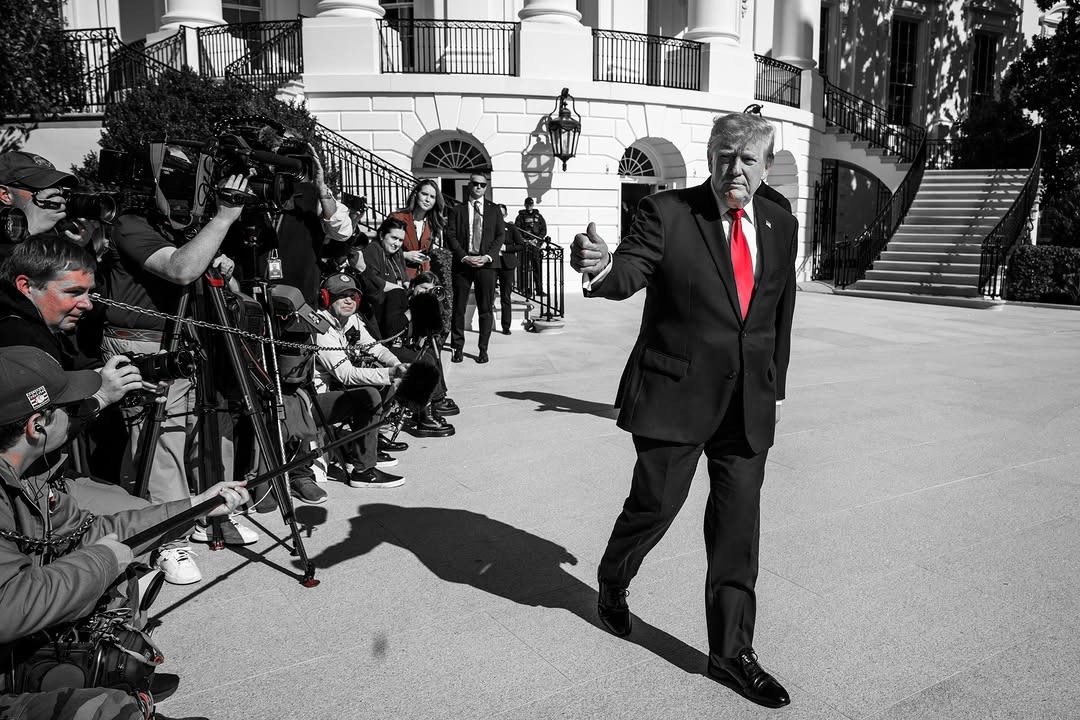
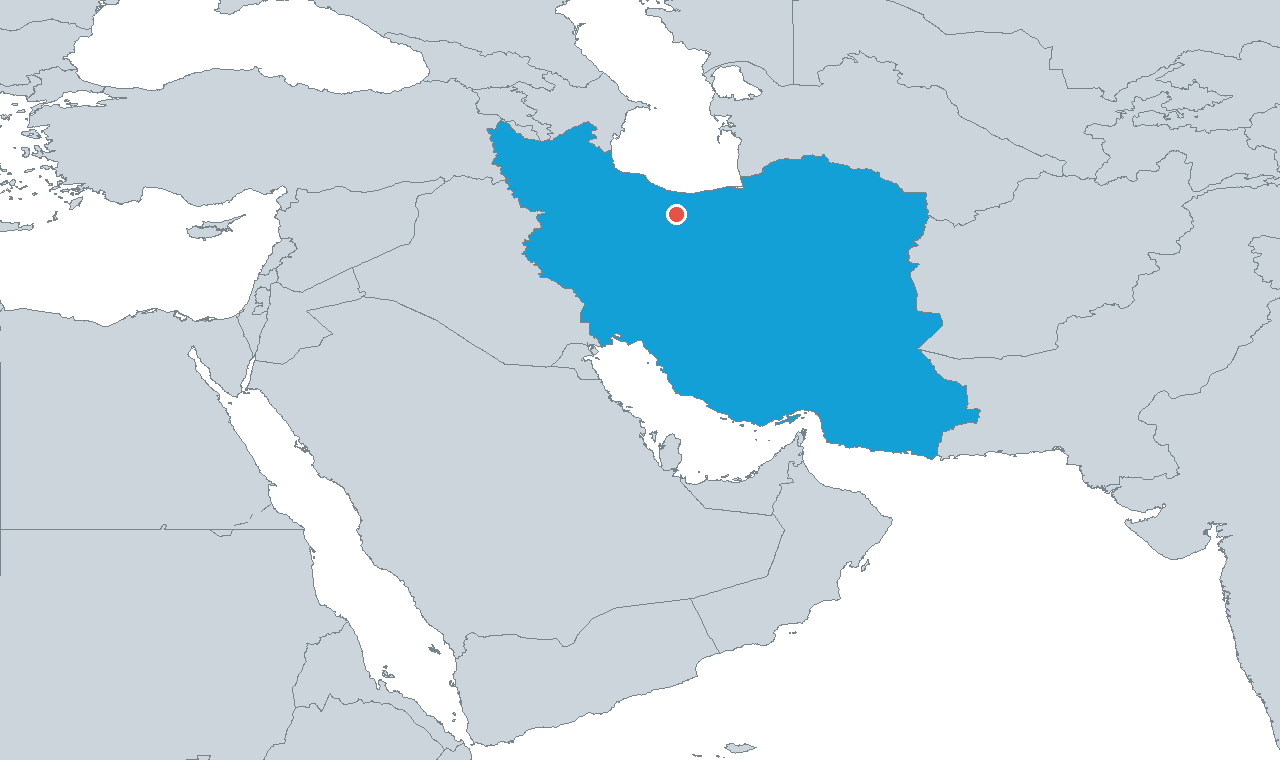
The most useful sentence of the weekend was also the shortest. Asked about Iran as he left the White House on Sunday, President Trump ruled out a strike for the day: no strike today. In the same breath, in a Fox News interview, he set out the choice as he sees it for Tehran, a deal or, in his words, finish them off. It is a strange combination, a pause and a threat in one answer, but it is the combination the whole region is now working around, because while Trump was talking, Qatari mediators were in Tehran in an effort coordinated with the United States to lower the temperature.
Qatar is built for this errand. It talks to Washington and Tehran at the same time, it has carried messages between them before, and it has its own reasons to keep the Gulf quiet, sitting as it does across the water from Iran with the world's gas trade running past its coast. Iran, for its part, is keeping the channel warm without giving anything away. Its foreign ministry spokesman, Esmaeil Baghaei, says messages are still moving through intermediaries and the window stays open, language Tehran uses when it wants the contact to continue without being seen to ask for it.
The case for hurry sits just south of Iran, in the air over Saudi Arabia. Over the weekend, Houthi missiles aimed at the kingdom were intercepted, a reminder from Yemen's war that the region does not need Washington or Tehran to fire the next shot for the pause to collapse. Every mediator in this story understands that arithmetic. A negotiation between two capitals can be managed; a missile from a third party, answered in kind, cannot, and the longer the pause runs, the more chances there are for somebody outside the room to end it.
Markets have already voted on which way they think this goes, at least for a morning. Brent crude closed Friday at $116.72 a barrel, priced for trouble, and by Monday it had fallen below $110 as traders took the strike off the table for now. Nothing about oil supply changed over the weekend. What changed was the fear, and fear, in this market, is worth about seven dollars a barrel. That number is the mediation's first measurable result, and also its warning: a fear premium that can leave in a morning can return in an afternoon.
Our call is that the Qatari channel is real but narrow, and its product will be measured in weeks, not in a settlement. Trump has given Tehran a public choice with a public threat attached, which makes a grand bargain hard for either side to sell at home, but a working pause, strikes held, messages moving, oil drifting down, is available right now and suits both capitals while other fights crowd the calendar. Expect the pause to hold exactly as long as nothing flies. The first Houthi missile that gets through, or the first incident in the Gulf that either side has to answer, restarts the clock, and on that day the words to remember are the ones Trump paired with his pause: the deal was offered, and the alternative was named in advance.
The Briefing
The day's world, market and sport, measured and in your inbox before breakfast. One email, no noise, free while we build it.
Subscribe by emailSubscribing opens your email app with a note to [email protected]. We never share your address.