500 Patriots are coming to Ukraine. Just not this winter, or several after it.
Washington has approved the sale of 500 Patriot PAC-3 missiles to Ukraine for an estimated 2.1 billion dollars, paid for entirely by allies and EU backed funds. The missiles have not been built yet, and people briefed on the decision say deliveries may not arrive until a couple of years into the 2030s, while Russian ballistic missiles arrive nightly.
Washington, United States · October 30, 2026

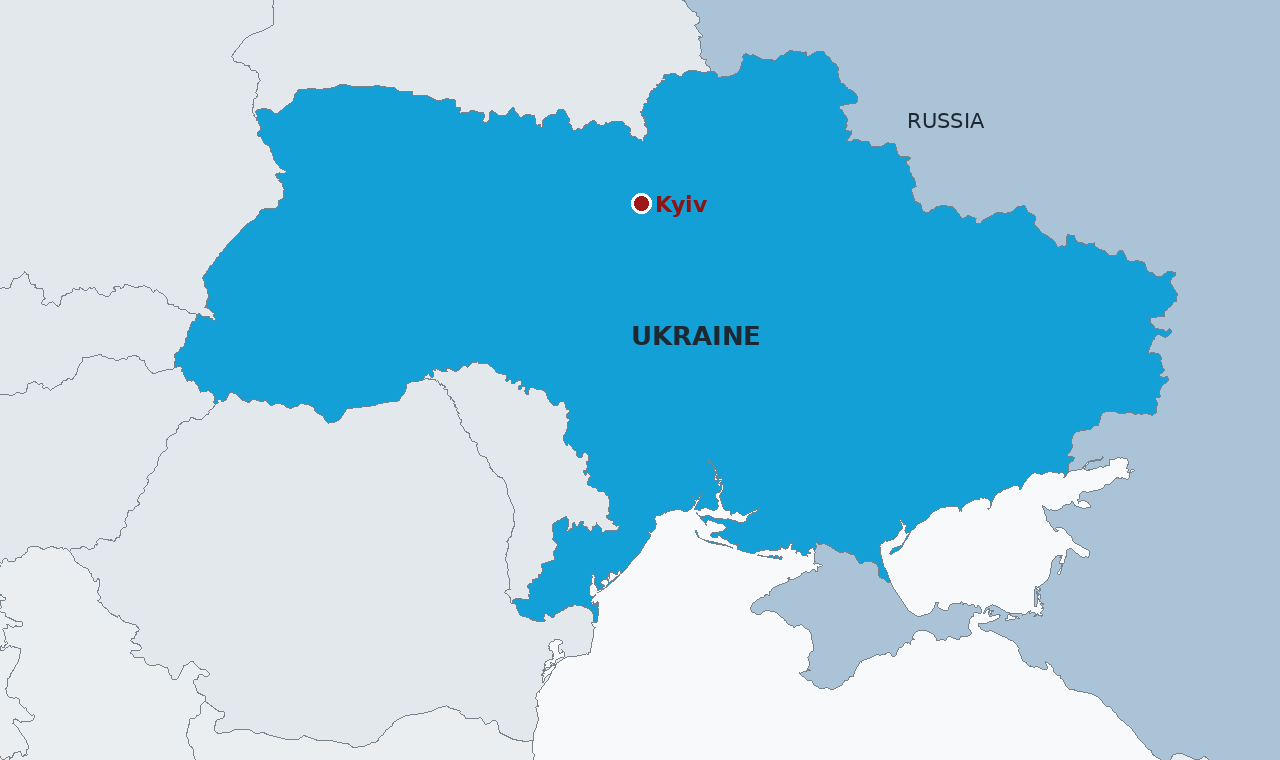
The signature Kyiv had been waiting almost a month for finally landed on Friday. The US State Department approved the sale of 500 Patriot PAC-3 interceptor missiles to Ukraine for an estimated 2.1 billion dollars, one of the most significant steps to supply defensive weapons to Kyiv since the start of the second Trump administration. President Volodymyr Zelenskyy had said on Monday that Ukraine was still waiting for Washington to sign off on critical missile supplies, as Russia stepped up attacks on energy and civilian infrastructure heading into winter.
The money tells its own story about how this war is now financed. There are no US funds in the deal. Ukraine pays with contributions from Canada, Germany and Norway routed through the US JUMPSTART programme, plus national funds financed by the European Union's Ukraine Support Loan. Lockheed Martin is the principal contractor. Allies, in other words, have assembled the full price of the single most wanted item on Kyiv's list, and Washington's contribution is permission.
Then comes the catch, and it is measured in years. The interceptors have not been manufactured yet. Two people briefed on the decision said they are not expected to be delivered until a couple of years into the 2030s, and the US Department of Defense puts current annual Patriot production at only about 600 missiles for the whole world. Five hundred missiles is close to a full year of global output, ordered by a country whose power grid is being hit now. Ukraine's defence ministry is pushing the Pentagon for the obvious workaround: hand over missiles from the existing US arsenal this winter and backfill the stockpile when the new production arrives.
There is a plan to make more, faster. In July the US Army awarded Lockheed Martin a contract worth up to 58.6 billion dollars for Patriot interceptors, which the company says lets it triple PAC-3 production capacity by the end of 2030. That helps the 2030s problem. It does nothing for the winter of 2026, and the approval lands in a strained moment between Washington and Kyiv, after a US diesel deal with Russia and public criticism of Zelenskyy over Ukrainian strikes on Russian refineries.
Our call is that the argument over this deal is already over, and the real negotiation is the one about the stockpile. The 2.1 billion dollars buys Kyiv a place at the front of a production queue, which is worth having, but air defence is a weapon measured in nights, not contract years. If Washington releases existing interceptors against the new order, Friday's approval becomes winter air defence. If it refuses, the 500 Patriots are a promise about the next decade wearing the clothes of wartime help, and everyone in Kyiv knows the difference. Watch the Pentagon's answer on backfilling: it, not the approval, decides what this deal is.
The Briefing
The day's world, market and sport, measured and in your inbox before breakfast. One email, no noise, free while we build it.
Subscribe by emailSubscribing opens your email app with a note to [email protected]. We never share your address.