France is deploying 70,000 police for Halloween, and the costumes are not the problem
A third straight weekend of cost of living protests reaches Halloween Saturday with 70,000 police and gendarmes deployed, city centre marches banned and the interior minister warning of a very high risk of disorder. The movement began with school pupils in September. It now shuts down the centres of French cities on a weekly rhythm.
Paris, France · October 31, 2026
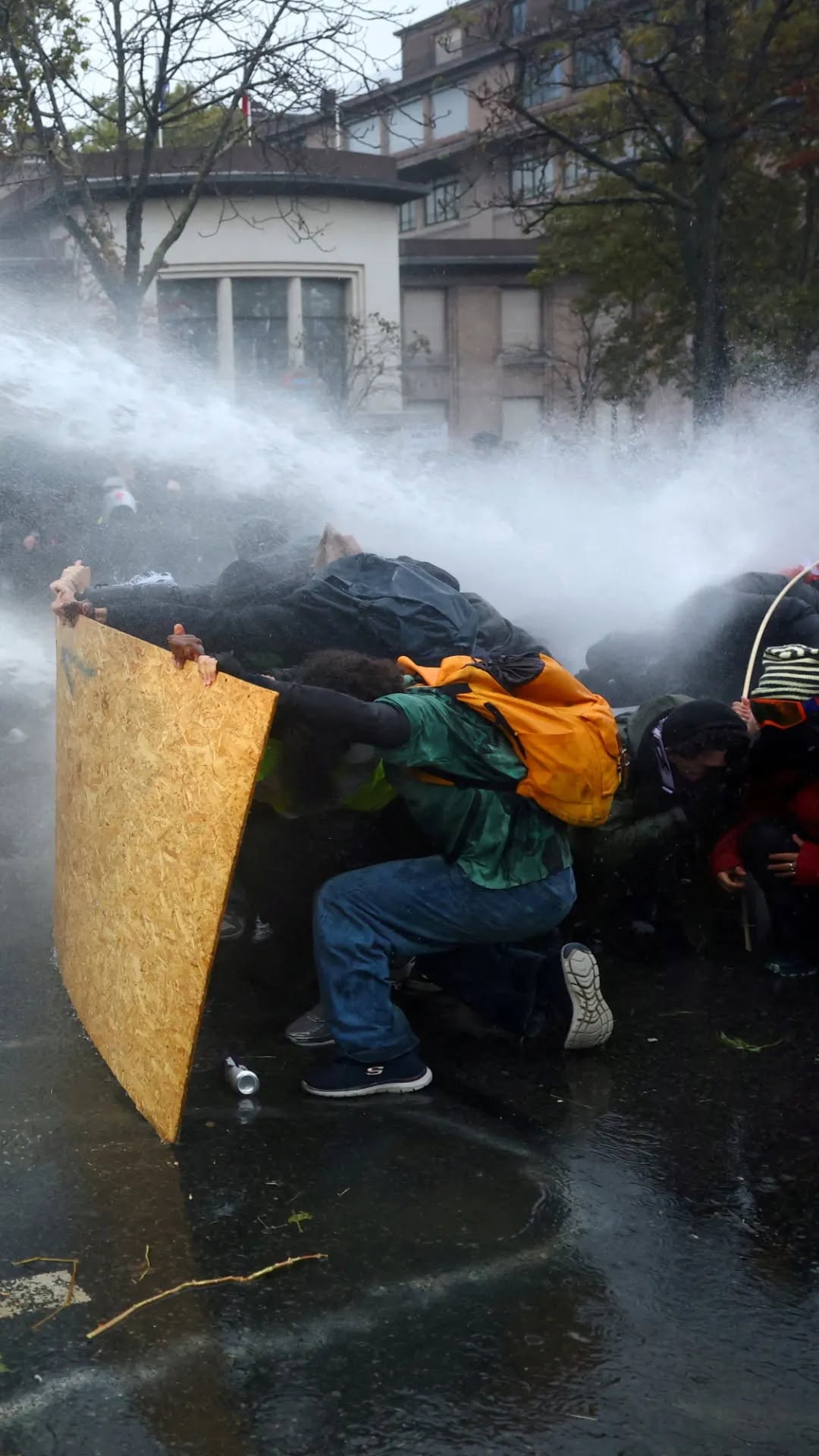
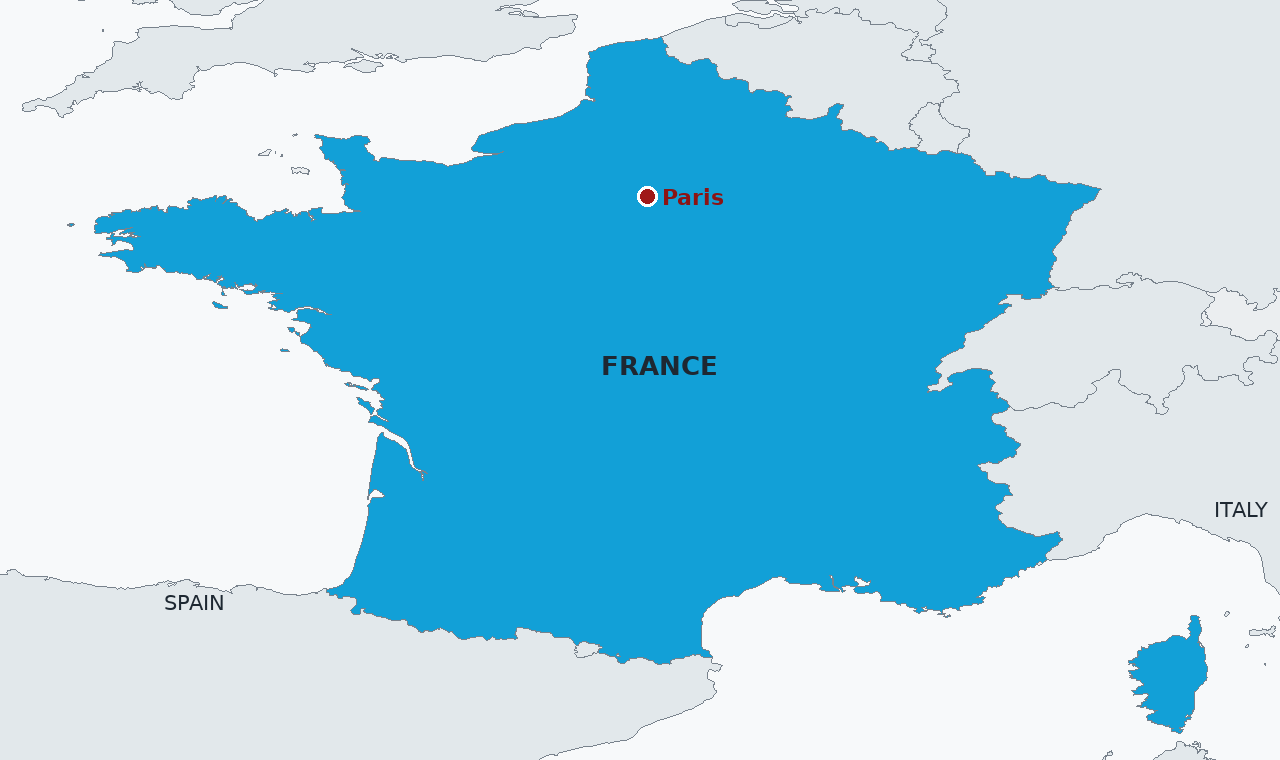
France is boarding up for Halloween, and it is not the trick or treaters it fears. Saturday brings a third consecutive weekend of protests over living costs, wages and public services, and Interior Minister Laurent Nunez has again deployed 70,000 police and gendarmes across the country. He called October 31 a day of very high risk to public order, warned that the danger peaks after dark once the mainstream marches end, and promised an extremely firm response. The planned Paris march has been pushed out of the city centre entirely, onto a single route along the outer boulevards from Porte de Bagnolet to Porte de Charenton.
The government is not guessing at the scale. Last Saturday an estimated 410,000 people marched nationwide, and the same 70,000 strong deployment was credited with preventing a repeat of October 17, when looting and vandalism swept many cities. Around that memory the state has built this weekend's restrictions: gatherings barred from Place de la Republique and Les Halles, two of the worst hit spots on October 17, from 11pm to 6am on Saturday and Sunday nights, a 9pm curfew for unaccompanied minors around the Champs-Elysees, and bans on city centre marches, with Halloween gatherings suspected of being protests in costume also prohibited. Unions and student groups challenged the Paris restrictions in court.
What makes this hard to police is that it is no longer one movement. It began in mid September with pupils protesting school conditions in the Paris suburbs, and it has since pulled in trade unions, students and yellow vest networks behind a shared complaint about wages, living costs, fuel prices and public services. Nunez himself described calls coming from the labour movement, the radicalised far left and yellow vest sites urging people onto the streets from 8pm. A protest with that many doors into it does not end when one group goes home.
The next date on the calendar matters more than this one. Labour leaders and students have called a nationwide strike for November 5, which would move the argument from weekend streets into workplaces and transport on a weekday. That is a different kind of pressure, and it lands about six months before a presidential election, with the government visibly spending its authority on containment, one Saturday at a time.
Our call is that the government is winning the public order battle and losing the calendar battle. Each weekend it holds the city centres, the movement learns it can return the following weekend at no lasting cost, and each ban hands the unions a court fight and a headline. If November 5 draws real numbers out on a working day, this stops being a policing story and becomes a general strike problem, and no deployment figure answers that. Watch the strike turnout, not the Halloween arrests: it is the first measure of whether the anger has somewhere organised to go.
The Briefing
The day's world, market and sport, measured and in your inbox before breakfast. One email, no noise, free while we build it.
Subscribe by emailSubscribing opens your email app with a note to [email protected]. We never share your address.