Britain wants the benefits of Made in Europe without the membership card, and the price is drifting toward China
The EU's proposed Made in Europe rules would favour European goods for contracts and subsidies in cars, batteries and clean tech, and Britain's industry sits in the blast radius. Business Secretary Jonathan Reynolds says London and Brussels are finding a way through. Reuters reporting, the single wire record of his remarks, points to a compromise with a condition attached.
London, United Kingdom · October 27, 2026
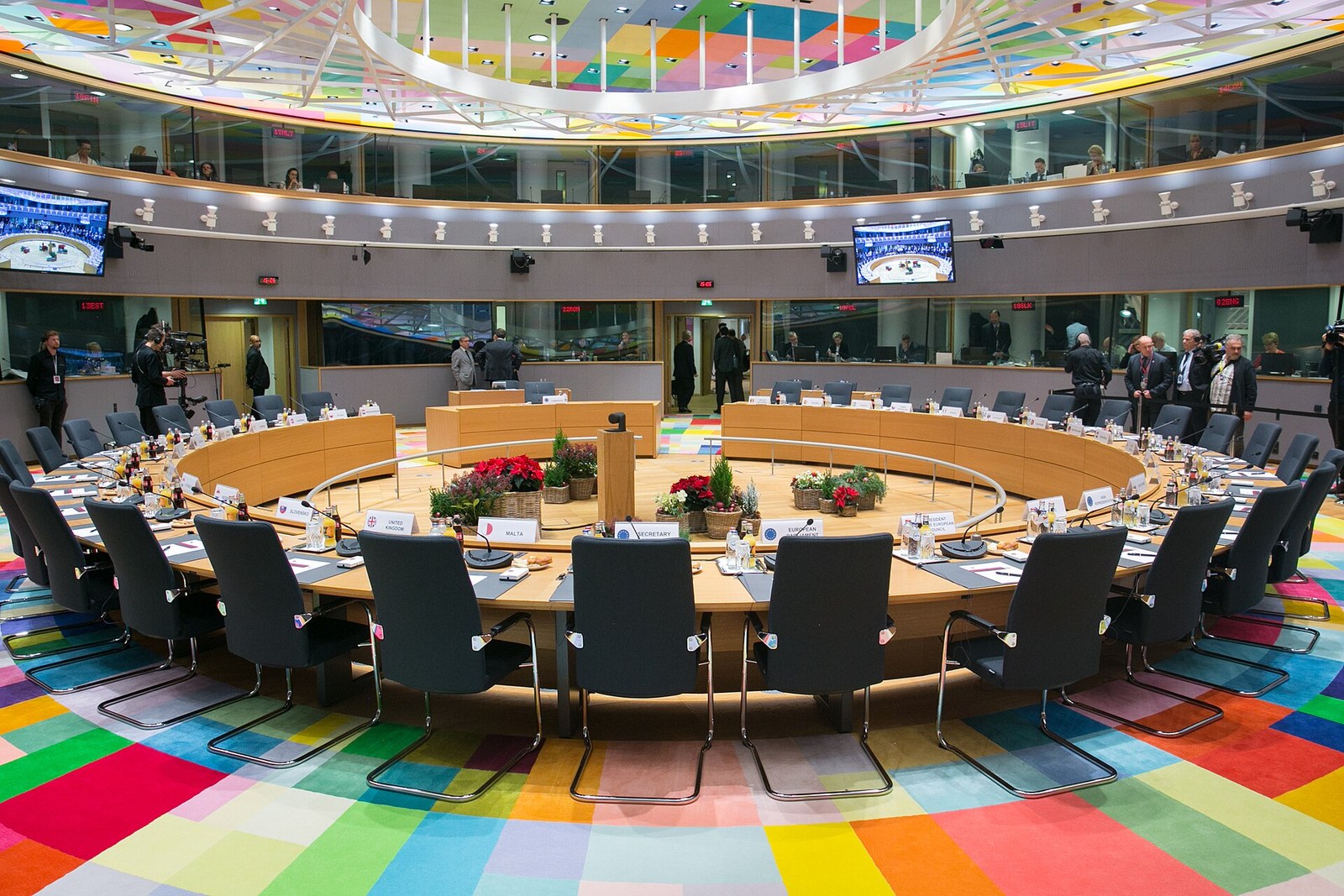
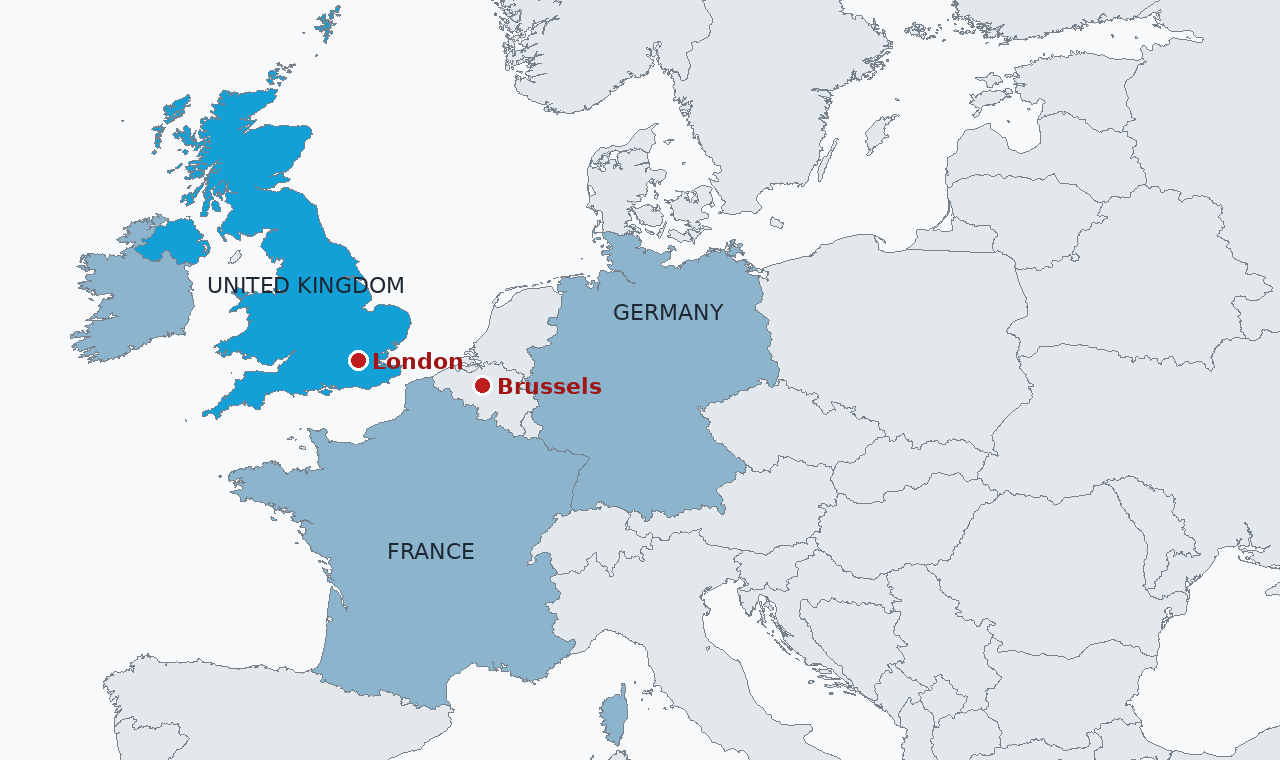
The phrase finding a way through is doing heavy work in London this week. Business Secretary Jonathan Reynolds told Sky News on Tuesday that Britain and the European Union are finding a way through concerns over the bloc's proposed Made in Europe rules, with a lot of work under way between the two governments as businesses press for clarity. It is the sound of a negotiation that has moved past whether Britain has a problem and into what Britain will pay to solve it. This account rests on Reuters reporting of the minister's remarks and of the compromise under discussion, the single wire record available for both, and it is presented as such.
The problem is specific. The proposed rules would favour European made goods in public procurement, auctions and subsidy schemes, covering electric vehicles, batteries and other clean technologies, as part of the EU's drive to cut its reliance on cheap imports, particularly from China. Britain left the single market but not the supply chain: its car plants build for a European market, its battery ambitions depend on European demand, and a preference written for members would treat British made goods as foreign in the industries the government most wants to grow. Uncertainty is already the cost, since investment decisions in cars and batteries are being taken now against rules that have not finished being written.
The way through, as Reuters reported earlier this month, is being drafted in Paris and Berlin. France and Germany are discussing a compromise that would let Britain be treated as a trusted partner inside the scheme if it aligns with the bloc on tariffs on China. Read that condition slowly, because it is the whole negotiation in one clause. Access would not be a favour or a technical fix. It would be purchased with alignment on the EU's central trade defence question, the one aimed at the country whose electric vehicles and batteries both sides fear. Any final proposal still needs approval from EU governments and the European Parliament, which gives every capital a chance to raise the price.
For London, the calculation is awkward in a familiar way. Aligning on China tariffs costs little in practice, since Britain's own industry wants protection from the same imports, and it buys certainty for car and battery investors who are otherwise pricing in exclusion. The cost is presentational and precedential: a government elected on the promise of a better Brexit relationship, not a return to rule taking, would be accepting an EU condition in an EU scheme, and every future scheme would arrive with a similar condition attached. Brussels knows this, which is why the trusted partner formula is attractive there too. It extends the bloc's regulatory reach beyond its borders without extending membership rights, the arrangement the EU has always preferred with its neighbours.
What to watch is the drafting, not the speeches. A trusted partner clause written by sector, starting with autos and batteries, can pass where a general British exemption cannot, and Reynolds's language on Tuesday, optimistic and empty of detail in equal measure, reads like a minister preparing his own side for a deal whose terms will be described as partnership and filed in Brussels as alignment.
Our call is that the deal lands, sector by sector, because the economics push both capitals the same way: Britain cannot build a car industry outside the European preference zone, and the EU cannot build a China policy with a tariff sized hole across the Channel. Expect the first agreement to cover vehicles and batteries, to be sold in London as pragmatic cooperation and in Brussels as proof that the bloc's gravity still works, and to become the template for every Made in Europe argument that follows. Britain spent years arguing it could have the benefits without the obligations. This negotiation is quietly repricing that claim, one tariff line at a time.
The Briefing
The day's world, market and sport, measured and in your inbox before breakfast. One email, no noise, free while we build it.
Subscribe by emailSubscribing opens your email app with a note to [email protected]. We never share your address.