A million dollars for a fraud tip, eight days before the vote, and no word on where the money sits
President Trump has offered a million dollars to anyone whose report of voter fraud leads to an arrest and a conviction, in past elections or in the midterms on November 3. He has not said who pays, who decides or how a claim is filed, and that vagueness is not a flaw in the offer. It is the offer.
Washington · October 27, 2026
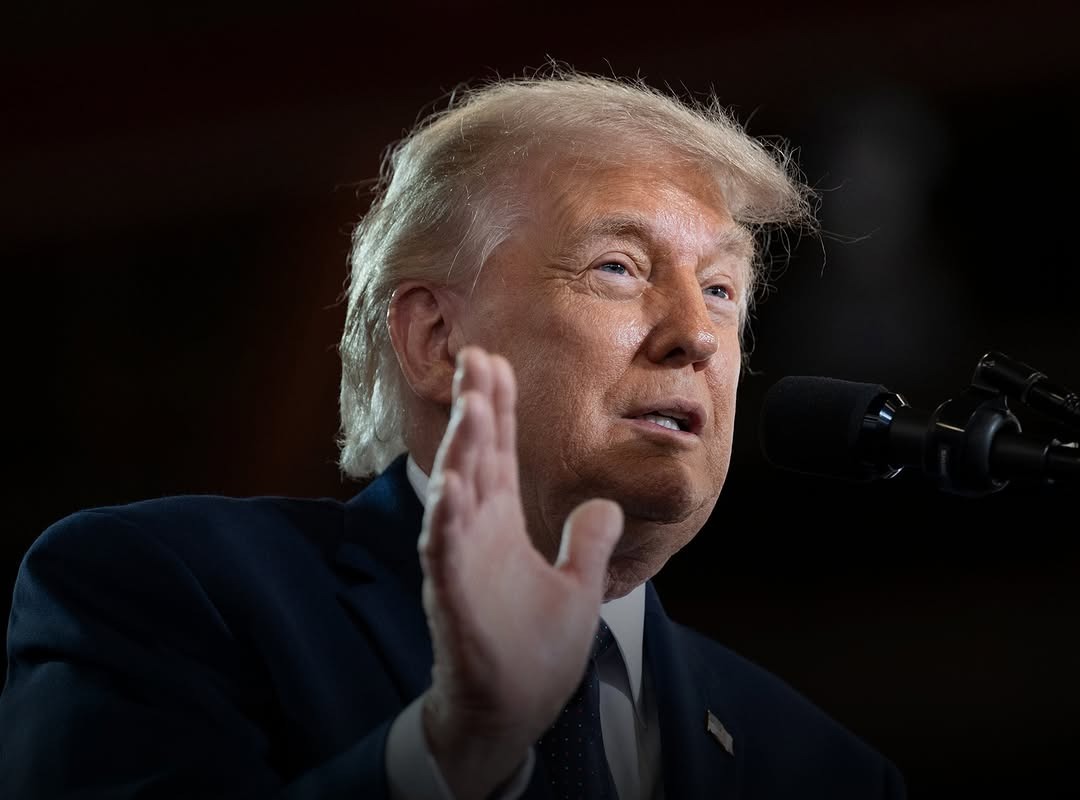
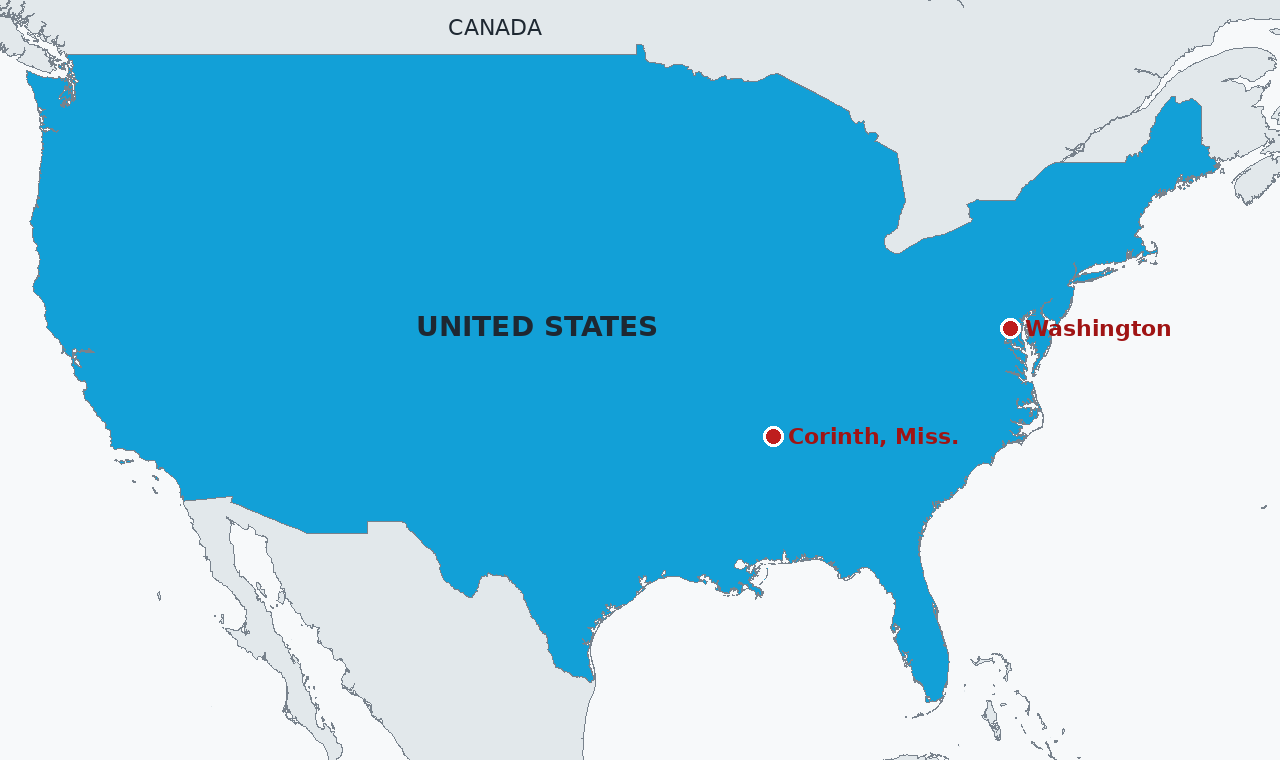
The offer arrived the way the big ones now do, in a post on Truth Social on Monday morning. Anybody reporting voter fraud in past elections, or in the upcoming 2026 midterm election, will be paid a million dollars upon the arrest and conviction of those who created the fraud, the president wrote. He said it again for the cameras before boarding Air Force One for a rally in Corinth, Mississippi, calling it a bonus or reward, or whatever you want to call it, for anybody who reports fraud leading to an arrest and conviction. Eight days from that post, Americans vote on whether his party keeps control of Congress.
What the offer does not contain is a mechanism. Trump did not say whether government funds or his own money would pay the rewards, name an agency to receive the tips, or describe how a claim would be judged, and no funding pool for such payments has been authorised by Congress. The condition he did set is the strictest one available: not a tip, not a charge, a conviction, which in election cases means months or years of process after the vote the offer is meant to influence. Nobody who reports fraud this week can be paid before the midterms, or before the results are certified, or in most cases before the next Congress is old news.
The context is a claim the record has tested for six years. Trump has alleged widespread fraud in past elections, above all 2020, and courts rejected the challenges to that result, while studies of American elections have consistently found voter fraud exceptionally rare. Election officials, including some Republicans, describe the administration's wider push on voter data and oversight as federal overreach, and some state officials have told reporters they are preparing for federal interference in these midterms. Republicans hold narrow majorities in both chambers, the polls point to a difficult night, and the president's approval has been weighed down by the cost of living and fuel prices. The reward lands in that gap between the likely result and the story prepared for it.
It also lands in a sequence. Last week the administration launched payments for tipsters who uncover fraud in government programmes. Before that came rebate cheques to about a million people and a promised dividend of 5,000 dollars to every adult if Republicans win Congress, an offer some of his own allies criticised. The fraud reward is different in kind from those, because its payout depends on a court, but it works the same way in the campaign: a very large number, attached to a grievance, announced close enough to the vote that the argument about it becomes the coverage.
The practical risk sits with the people who run polling places. A million dollar prize for fraud that ends in conviction will mostly harvest reports of ordinary confusion, voters in the wrong line, names that look alike, the routine errors of a system run by neighbours, and local officials will spend the count answering them. The legal risk is smaller, since an unpaid and unadministered promise is hard to enforce against anyone. The political risk runs the other way, and it is the one to watch on November 3: every tip filed under this offer becomes a data point in the claim that fraud was reported everywhere, whatever the courts later make of the reports themselves.
Our call is that the reward is never really paid and is not really meant to be, because a promise that pays only on conviction costs nothing today and buys the one asset the president needs if the night goes badly, a ready made public record that the vote was reported dirty in advance. Expect the number of claimed tips, not convictions, to be the figure quoted afterwards, and expect the absence of a fund, a form or an office to be treated by supporters as proof the establishment blocked it rather than as evidence the offer was theatre. A million dollars is a fortune for a tip. As a narrative, it is cheap at the price.
The Briefing
The day's world, market and sport, measured and in your inbox before breakfast. One email, no noise, free while we build it.
Subscribe by emailSubscribing opens your email app with a note to [email protected]. We never share your address.