The UN has traced the guns feeding Sudan's war, and carefully named no government behind them
UN investigators say foreign weapons, technology and fighters are fuelling Sudan's civil war through Chad, Libya, Somalia and the Emirates, and they want the arms embargo widened and the ICC's mandate extended beyond Darfur.
Khartoum, Sudan · October 29, 2026
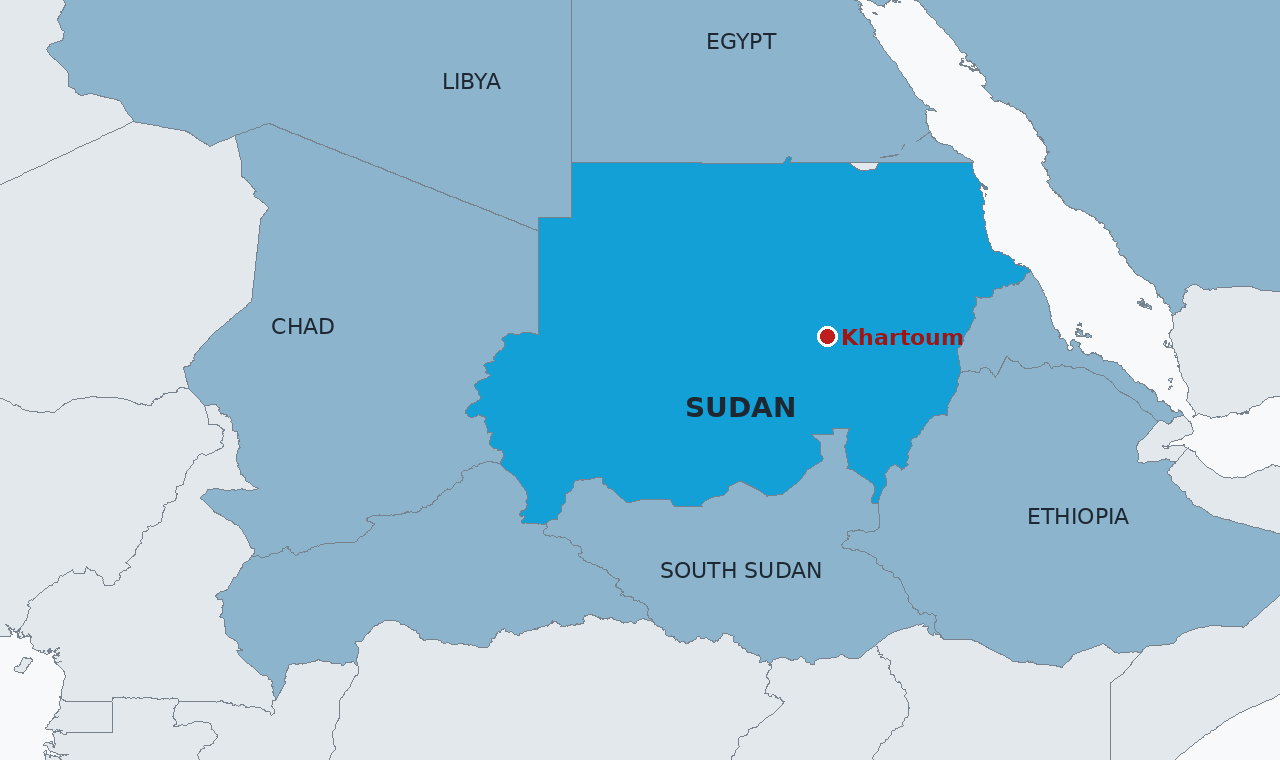
Sudan's war has never lacked for outside help, and this week the United Nations put the supply lines on the record. The UN Fact-Finding Mission on Sudan reported that foreign weapons, military technology and fighters are pouring fuel on the civil war, tracing the networks through Chad, southeast Libya, Somalia's Puntland region and the United Arab Emirates. Then it added the sentence that defines the whole document: the findings do not establish those governments' responsibility. Routes named, states not accused. That is not sloppy drafting. It is the mission describing exactly how far its evidence goes and stopping there, in public, on purpose.
The mission's asks are bigger than its accusations. It wants the arms embargo on Sudan expanded, and it wants the International Criminal Court's mandate, which currently reaches only Darfur, extended across the country. Both requests land on a war that has been running since April 2023 and has displaced about 13 million people. The humanitarian numbers in the parallel diplomatic record are just as stark: a joint statement by the United States, the European Union and about 30 countries, reported by Reuters, put 19.5 million people in acute food insecurity, with famine risk assessed by the IPC and 825,000 children at risk of severe acute malnutrition. UN Secretary General Antonio Guterres has called for an end to a war he described as fuelled by external actors.
Why the careful language matters is that everyone in this war has a supplier problem and a deniability strategy. Weapons move through border regions, brokers and third countries precisely so that a government can say, truthfully on paper, that it shipped nothing to a Sudanese battlefield. A mission that overclaimed, and named a government its evidence could not convict, would hand every capital involved a reason to dismiss the entire report. By tracing the routes and stopping at the threshold of state responsibility, the investigators have made the supply lines themselves the fact that has to be argued with, and routes are much harder to deny than intentions.
The embargo question is where this becomes practical. The current embargo covers Darfur, in a war that long ago escaped Darfur's borders, which is why the mission wants it widened and why the ICC request travels with it: interdiction without accountability has not slowed the flow, and accountability limited to one region cannot reach a national war. The obstacle is not drafting. It is the Security Council politics of the states whose neighbours and partners appear in the route map, and the familiar pattern in which an expanded embargo binds the suppliers who comply with paperwork while the networks that move weapons at night adjust their routes.
Our call is that the report changes the argument even if it changes no shipment this month. Until now, Sudan's outside supply lines have lived in journalism and in the accusations each Sudanese side throws at the other's backers. A UN mission tracing them, conservatively and in writing, moves them into the record that sanctions committees, courts and arms export licensing officers work from. Watch the embargo debate for the tell: if the expansion passes with the route countries unnamed in the resolution text, the mission's caution will have bought exactly the consensus it was designed for. If it stalls, the map in this report becomes the standing answer to anyone who claims the war is purely Sudan's own.
The Briefing
The day's world, market and sport, measured and in your inbox before breakfast. One email, no noise, free while we build it.
Subscribe by emailSubscribing opens your email app with a note to [email protected]. We never share your address.