The mediator leaves Somalia on Saturday, and the argument over who is president leaves with nobody
The UN political mission closes on October 31 after more than three decades of successive missions, a handover Mogadishu asked for and calls a milestone. It goes with the election dispute wide open: the government says President Hassan Sheikh Mohamud stays until 2027, the opposition says his mandate already expired, and the talks meant to settle it start in mid November with no mediator in the room.
Mogadishu, Somalia · October 30, 2026
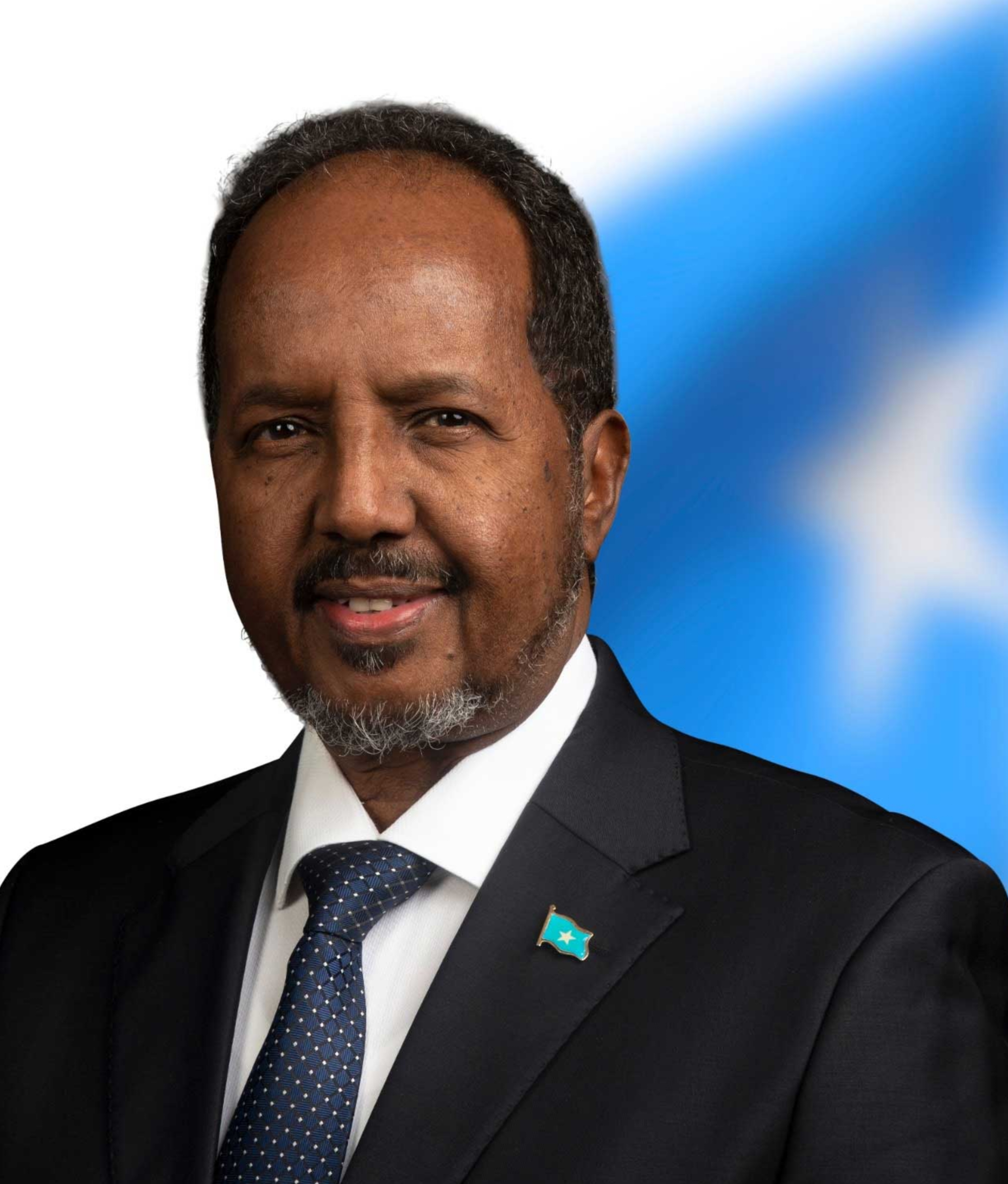
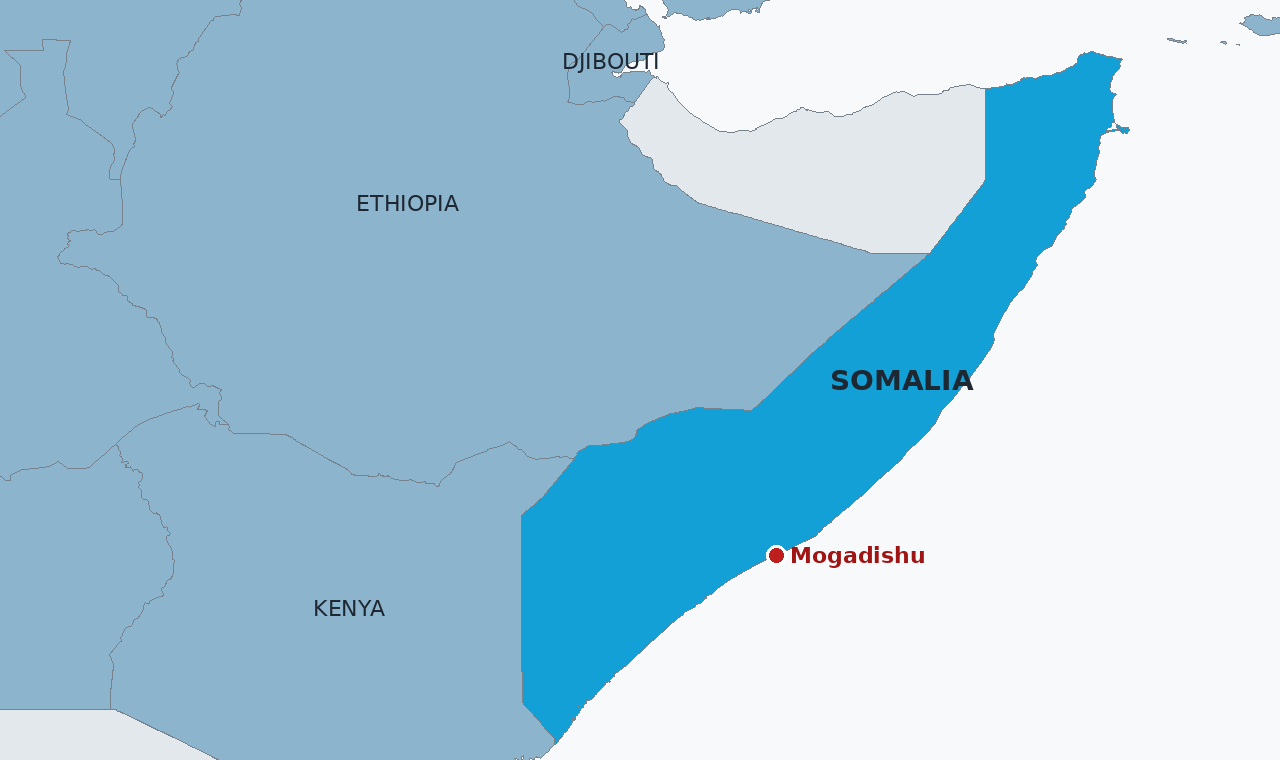
The farewell was held on Monday in Mogadishu, and the office empties on Saturday. On October 31 the United Nations Transitional Assistance Mission in Somalia, UNTMIS, ceases operations, closing more than three decades of successive UN political missions that helped rebuild a country shattered by civil war. Deputy Prime Minister Salah Ahmed Jama, standing beside the mission's acting head Raisedon Zenenga at the ceremony, called it proof Somalia has moved beyond the transitional period. Read on its own terms, he has a point. Somalia asked for this. In 2024 Mogadishu told the UN to wind the mission down, the Security Council agreed a two year handover under resolutions 2753 and 2809, and the mission's work now passes to Somali institutions and the UN agencies already in the country.
What the handover cannot pass on is the job the mission was actually doing in its last year, which was sitting between a government and an opposition who do not agree on who is legally in charge. Under the old four year terms, Mohamud's mandate was due to end on May 15 and parliament's on April 14. Parliament then approved constitutional changes stretching both terms to five years, and the government says those changes let the president and lawmakers stay until 2027. Opposition leaders reject applying the changes to people already in office and say both mandates have expired. The electoral commission has set parliamentary elections for April 15, 2027 and a presidential vote for May 15, 2027, a timetable the government welcomed and the opposition rejected, because a date only settles an election when both sides accept the rules underneath it.
The UN tried to close that gap while it still had a mandate to try. James Swan, then the secretary general's special representative, shuttled between the government, opposition leaders and the regional administrations, and mission backed talks in July ended with no deal. In September the opposition Somali Future Council wrote asking for an international mediation mechanism to exist after the mission closes, which is a quiet admission from the side with most to gain from outside pressure that it does not trust a purely domestic process. Mohamed Husein Gaas, who runs the RAAD Peace Research Institute in Mogadishu, put the risk plainly to the AP: Somalia could find itself confronting a political crisis without an agreed mechanism to contain it. From Saturday, that is not a warning about a possibility. It is the standing arrangement.
The security clock is running on a different, shorter fuse. Al Shabab, the al Qaeda linked group that holds much of the countryside, still hits the capital and the army in the south. On Monday, the same day as the farewell ceremony, an ambush in southern Somalia killed at least 20 soldiers, by the account of an officer who survived it. The government published no casualty figures of its own and the toll could not be independently verified, and that gap matters in itself: a state asking to be judged ready to manage its own affairs is also a state whose hardest facts still arrive second hand. Not everything leaves on Saturday. African Union troops stay behind Somali forces, UN aid agencies stay, and a separate UN office stays to supply the African Union force and some Somali units. But the African Union mission's own mandate runs only to December 31, so even the backstop has an expiry date weeks after the mediator's.
The next move belongs to Mogadishu, and it already has a date. Mohamud has invited the main opposition groups, among them the Somali Future Council and the Nabad iyo Nolol party, to election talks in the capital from November 14 to 18, and they have yet to say they will come. Secretary General Antonio Guterres, marking the closure, acknowledged the political, security and humanitarian challenges still facing the country and called for sustained international support, which is the UN's way of saying the file is closed but the problem is not.
Our call is that the November talks, not Saturday's closure, are where this story is decided, and that attendance alone will not be the tell. A boycott would leave the government's April and May timetable as the only election plan standing, which is exactly why at least part of the opposition probably shows up. Showing up, though, is cheap. What would actually change the picture is a named replacement for the mediation channel that just closed, an African Union, regional or jointly agreed figure both sides accept before the talks open, because without one the room has a host and guests but no referee, and a host who is also a party to the dispute cannot call the fouls. Expect a communique about dialogue either way. Judge it by whether it names a mediator and a mechanism for the mandate question itself, the one question neither side can concede without losing. If November ends without that, the argument does not pause, it hardens, into competing claims of legitimacy carried into an election year with al Shabab holding the countryside between them.
The Briefing
The day's world, market and sport, measured and in your inbox before breakfast. One email, no noise, free while we build it.
Subscribe by emailSubscribing opens your email app with a note to [email protected]. We never share your address.