The parade blocked for 28 years stays blocked, and a court says the minister was right to block it
A Belfast judge dismissed the Orange Order challenge on Wednesday, ruling that Secretary of State Chris Bryant acted lawfully after a 13 day standoff on Portadown's Garvaghy Road. An appeal is expected.
Portadown, Northern Ireland · October 28, 2026
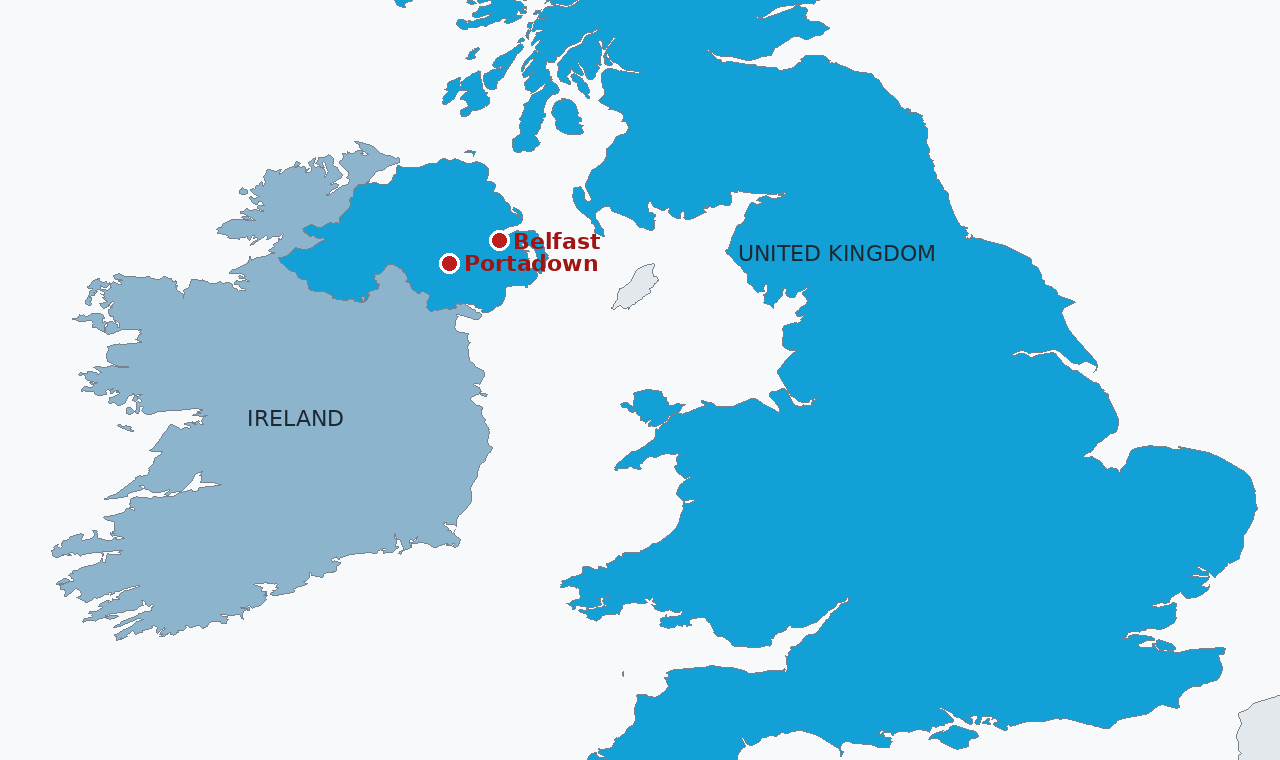
A road in Portadown has carried the same argument for 28 years, and on Wednesday a Belfast court settled the latest round of it. Judge David Scoffield dismissed a legal challenge by a member of the Orange Order and ruled that Secretary of State Chris Bryant acted lawfully when he blocked a Protestant parade from passing through a mostly Catholic area for the first time since 1998. The judge said Bryant had considered other options, that the police advice behind the decision rested on sound policing reasons, and that the impasse had gone on long enough and was draining police resources.
The standoff itself explains why a minister ended up deciding a parade route. On September 27 the Parades Commission reversed the ban it had kept in place since 1998, the year the Good Friday Agreement largely ended three decades of violence known as the Troubles. The reversal set off a confrontation in the mainly Protestant town of Portadown in which police officers had to stand between the Orange Order and residents of the Garvaghy Road for 13 days, until Bryant ended it at the request of Northern Ireland's police chief. The judge called it highly regrettable that such an intervention was required at all, and said there were lessons for all sides.
Why this one route carries so much weight is written into that history. The Drumcree parade dispute triggered unrest across Northern Ireland in the mid 1990s, and the Parades Commission itself was created in 1998 to mediate between communities and the organisers of the thousands of parades held each year. A ruling about one road is therefore never only about one road. It is a test of whether the machinery built after the Troubles can still absorb the disputes that machinery was built for, without a minister and a court having to do its work for it.
The legal answer has landed, and the political one has not. Reporting from outside the court said an appeal is expected, and a legal adviser to the Portadown district of the Orange Order insisted the organisation will walk the Garvaghy Road and will set out its next approach in the coming days. That means the question returns, in another courtroom or on the same road next marching season, with the same residents, the same marchers and the same police in between.
Our call is that the ruling strengthens the minister's hand and weakens the system underneath him. Bryant now has a court's word that stepping in was lawful, which makes stepping in easier the next time a parade dispute outruns the Commission. But every time that happens, the Commission looks less like the place these disputes are settled and more like a first stop on the way to London and the courts. The health of the post 1998 settlement is measured by how rarely ministers have to rule on marches at all. On that measure, this autumn was a step backwards, whatever the judge decided.
The Briefing
The day's world, market and sport, measured and in your inbox before breakfast. One email, no noise, free while we build it.
Subscribe by emailSubscribing opens your email app with a note to [email protected]. We never share your address.