One town gets a ceasefire: Oleshky, the first lady, and a pause the whole war will be watching
Russia and Ukraine have agreed to halt all military action in Russian occupied Oleshky so aid can enter and residents can leave, a deal the White House says Melania Trump brokered directly with both leaderships. About 1,700 people remain from a pre war population of 24,000.
Oleshky, Ukraine · October 23, 2026
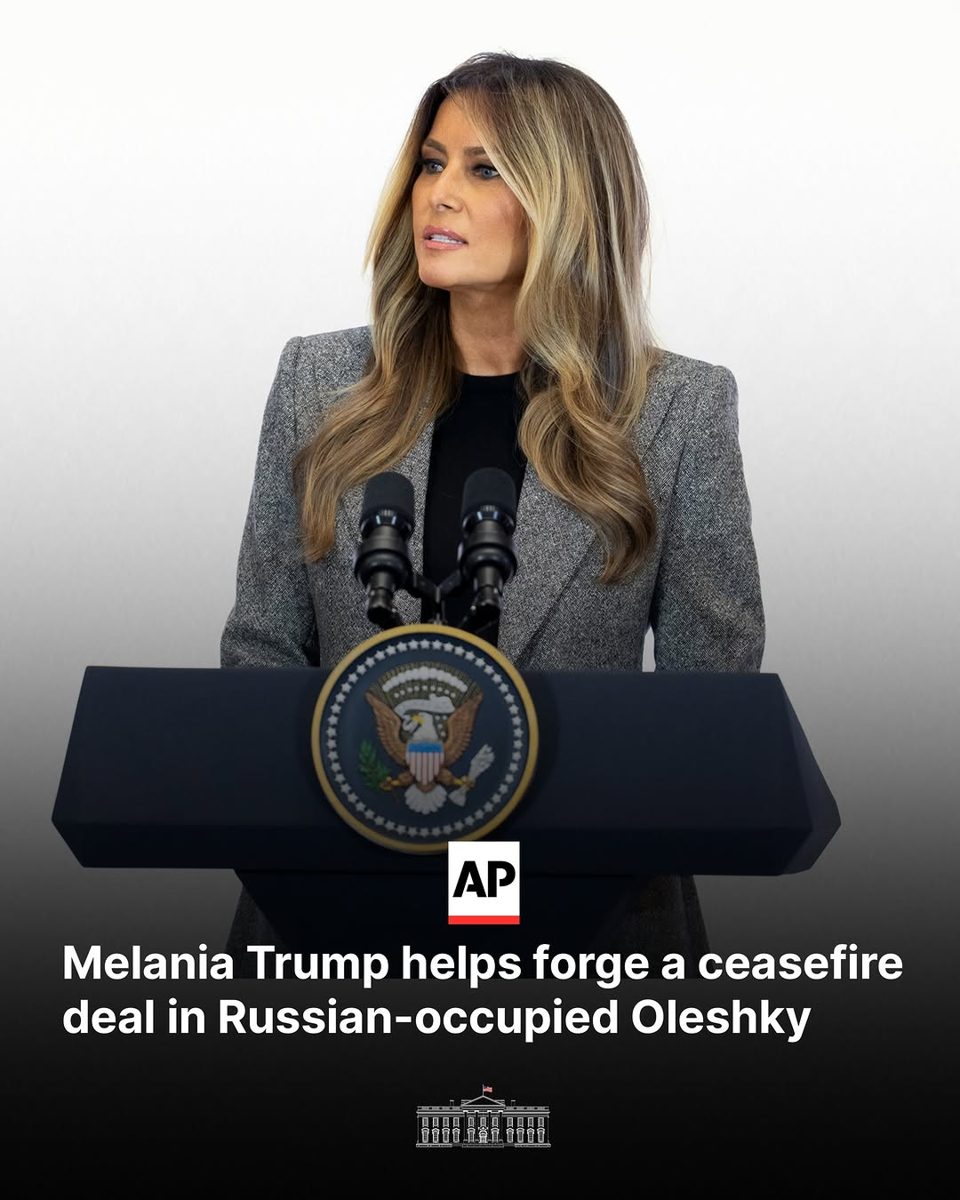
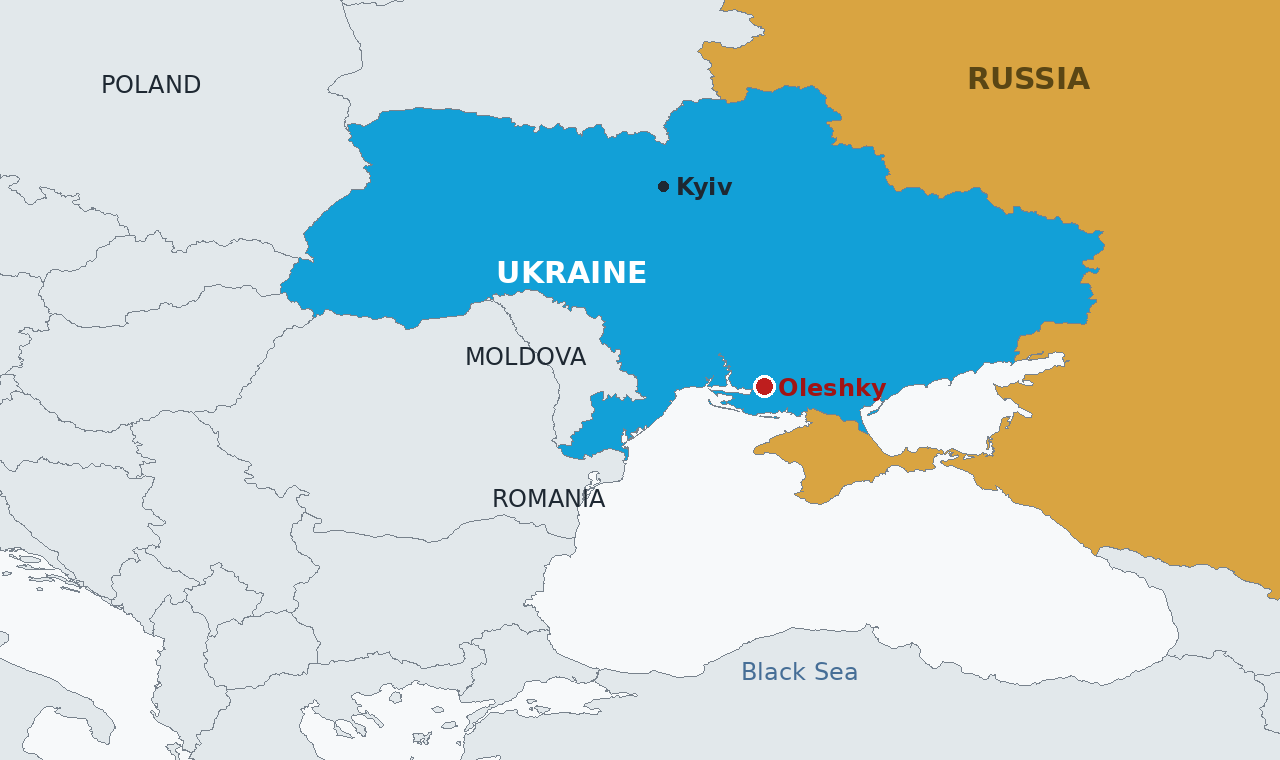
The war did not stop on Friday. One town inside it did, or agreed to. The White House announced that Russia and Ukraine will temporarily suspend all military action in Oleshky, the Russian occupied town across the Dnipro River from Kherson, so humanitarian aid can get in and civilians can get out through a designated safe passage. First Lady Melania Trump, whose office said she and her representative worked directly with both leaderships to set the terms, called the situation in the town dire and said it was on the brink of disaster. President Donald Trump told reporters both sides wanted to do it.
What is left of Oleshky explains why this town, of all the towns on the front, got its own agreement. About 1,700 people remain from roughly 24,000 before the war, most of them elderly, living with limited electricity, mined roads and regular attacks, in a place largely cut off from food and medicine. The first lady's statement said non military civilian representatives from both countries will visit residents at home to assess what they need, and that anyone who wants to leave will be given transport to their chosen destination, in Russia or in Ukraine. Pope Leo had also pressed for a pause there, raising the town's humanitarian state with President Vladimir Putin in a recent call, the Holy See said.
Even the start date carries the war's usual fog. The first lady's office says the local ceasefire begins on October 29. Russia's top military officer, General Valery Gerasimov, told state media the pause starts on October 27. Two days may sound like a detail. On a mined front line, with aid convoys and evacuation buses needing agreed hours and agreed routes, two days is the difference between a plan both armies have loaded into their orders and a misunderstanding with artillery attached. Kremlin spokesman Dmitry Peskov credited the first lady with a significant contribution and said Putin and Trump discussed the town in a recent call, and Ukrainian officials confirmed the arrangement and the figure of about 1,700 civilians still inside.
Why would two armies that agree on nothing agree on this? Because a single town is cheap for both and useful for both. Moscow can show a humanitarian gesture brokered through Washington without conceding a metre of ground or a wider pause it does not want. Kyiv can get its most vulnerable citizens out of a place it cannot currently relieve, and can point to the deal as proof that pressure through Washington still moves things. Neither side has promised anything beyond the town limits, and negotiators from Ukraine, Russia and the United States are due to meet in early November with the whole war, not one town, on the table.
Our call is that Oleshky matters less as a ceasefire than as a test rig. A local pause has everything a general one would need, in miniature: agreed start times, demining, joint civilian teams, monitored corridors and a mediator both sides took calls from. If the convoys roll and the buses leave on schedule, the machinery exists and can be pointed at a bigger map in November. If it collapses over something as basic as which morning it begins, that tells the November negotiators something colder: the two sides cannot yet execute even the agreement they both say they want. Watch the first convoy, not the statements. It will say more than either capital will.
The Briefing
The day's world, market and sport, measured and in your inbox before breakfast. One email, no noise, free while we build it.
Subscribe by emailSubscribing opens your email app with a note to [email protected]. We never share your address.