The guns stopped at 3 a.m. in Oleshky, and then the quiet zone got bigger
The local ceasefire agreed last week began two days early on Tuesday, then expanded beyond Oleshky across the Kherson region so aid convoys can move. Kyiv says the first day passed with no violations reported, while Russian strikes kept falling on the capital.
Oleshky, Ukraine · October 28, 2026
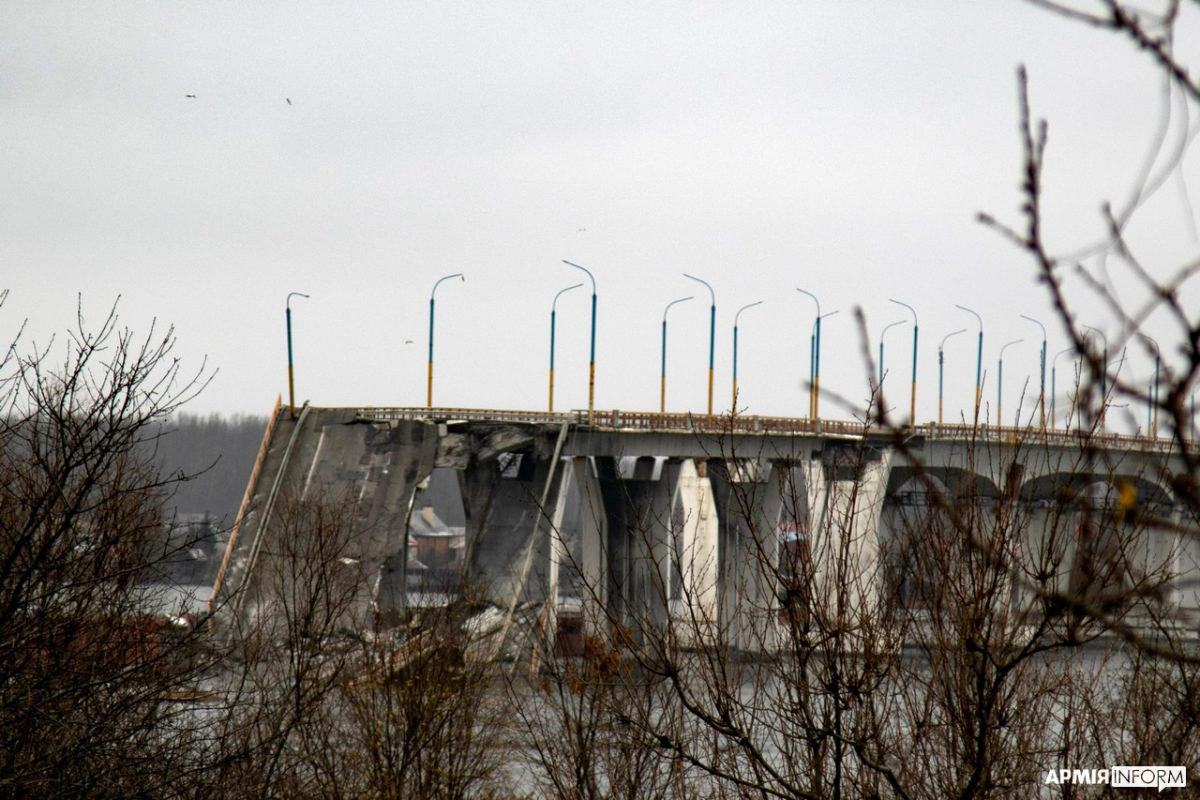
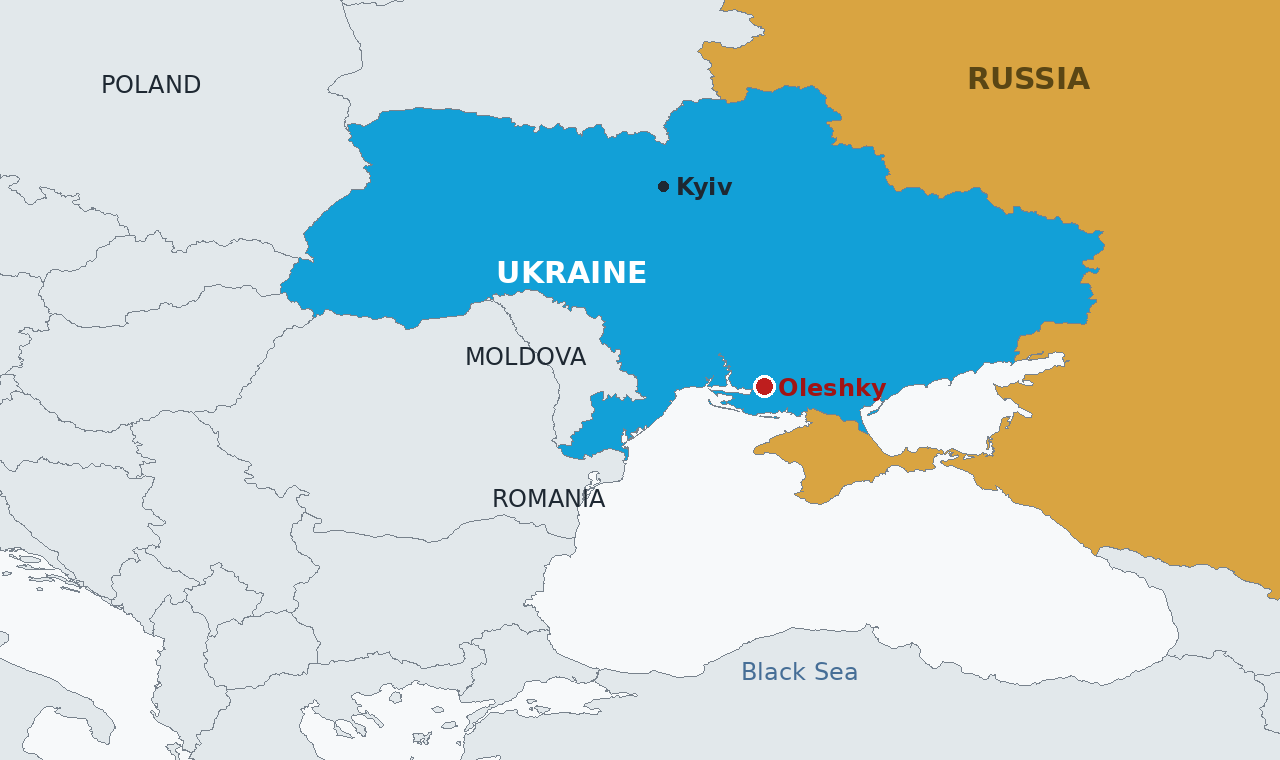
At three in the morning Kyiv time on Tuesday, the guns around one town fell silent, and this time it was not an announcement. It was the thing itself. Oleshky, on the eastern bank of the Dnipro opposite Ukrainian held Kherson city and held by Russia since the first days of the February 2022 invasion, entered the local ceasefire that was agreed on October 23. Russia's defence ministry said it stopped shelling toward Kherson from 4 a.m. Moscow time, the same moment, and Ukraine's human rights commissioner Dmytro Lubinets confirmed the start from the Ukrainian side and said Kyiv was honouring its commitments.
Then the pause grew. First Lady Melania Trump, who brokered the agreement as the White House's intermediary with involvement from Pope Leo, said on Tuesday that the timing had been accelerated two days ahead of schedule and that the ceasefire area had expanded beyond Oleshky within the Kherson region, to give the humanitarian convoys safe passage. That sequence matters. The routes get demined first, then the aid trucks roll in, then a corridor out opens for anyone who wants to leave. Inside the town, mostly elderly people are left. Ukrainian authorities say about 1,700 people remain, a figure other reporting puts at up to 2,000, short of food, medicine and clean water, with drones and land mines restricting movement. Lubinets said both sides reported no violations on the first day, and Foreign Minister Andrii Sybiha called the pause a potential confidence building measure. The Kremlin had already said on Monday that the truce might serve as a precedent for similar local pauses.
Why this town worked, when so little else has, is in the shape of the deal itself. It asks neither army to give up ground, a city or a negotiating position. It asks them only to hold fire in one place, for a stated humanitarian purpose, through a broker both capitals took calls from. Melania Trump worked both sides directly, Pope Leo pressed both sides to let the aid in, and the cost to each army of saying yes was close to zero while the cost of being seen to refuse was real. That is a very different calculation from a general ceasefire, which would freeze lines, reward whoever holds what they hold and demand trust neither side has.
The limits were visible on the same day. On Monday a Russian missile attack on Kyiv killed at least one person and injured ten, including students at a dormitory, attacks also killed and injured people in Kharkiv and Pavlohrad, and explosions were heard again over the capital on Tuesday morning. Nobody in Kyiv, Moscow or Washington has said how long the Oleshky quiet is meant to last. A pause with no stated end can be extended quietly, and it can also end quietly, with the first shell explained away by both sides in opposite directions.
Our call is that the expansion is the real news here, more than the start itself. Agreements that stay exactly as announced are usually agreements nobody is testing. This one moved early and then widened, which suggests both sides found the first hours workable and chose to put more road and more convoy route inside the quiet rather than less. That does not make it a step toward peace in any straight line, and the strikes on Kyiv on the same morning are the proof of how narrow it is. But a local pause that expands is a different signal from a local pause that merely survives. Watch whether the aid actually reaches the homes it is meant for and whether anyone uses the corridor out. If both happen, Oleshky becomes a working template the November talks can point to. If the convoys stall at the demining stage, the precedent the Kremlin mentioned will be the other kind.
The Briefing
The day's world, market and sport, measured and in your inbox before breakfast. One email, no noise, free while we build it.
Subscribe by emailSubscribing opens your email app with a note to [email protected]. We never share your address.