Likud finishes first, and nobody wins: Israel's exit polls leave every bloc short of a government
All three television exit polls put Benjamin Netanyahu's bloc on exactly 50 seats, the opposition on 52 to 53 and the Arab parties on a surprise 17 to 18. Sixty one seats govern Israel. Nobody has them, and the count that follows can move a seat or two, not invent a majority.
Jerusalem · October 27, 2026
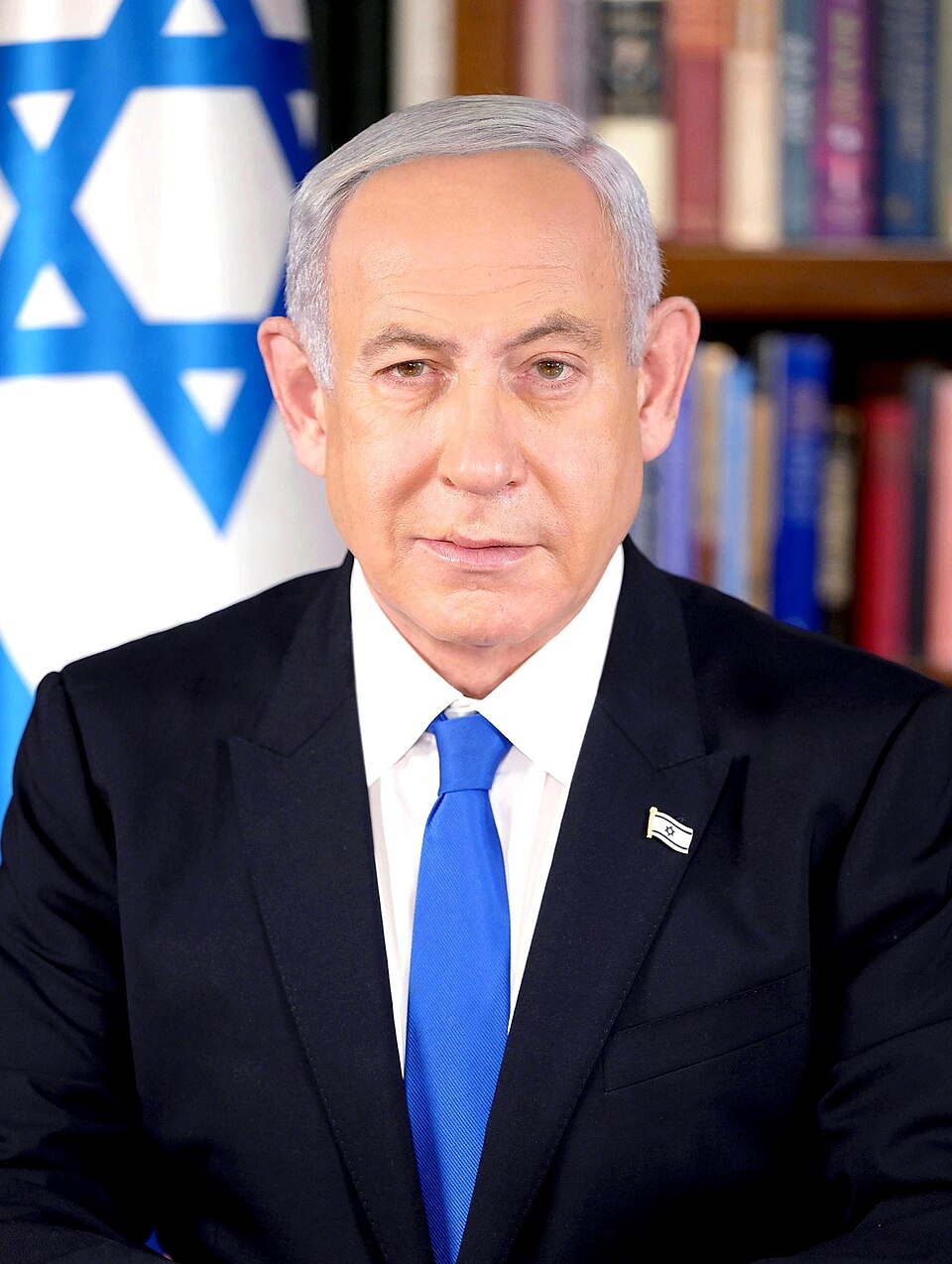
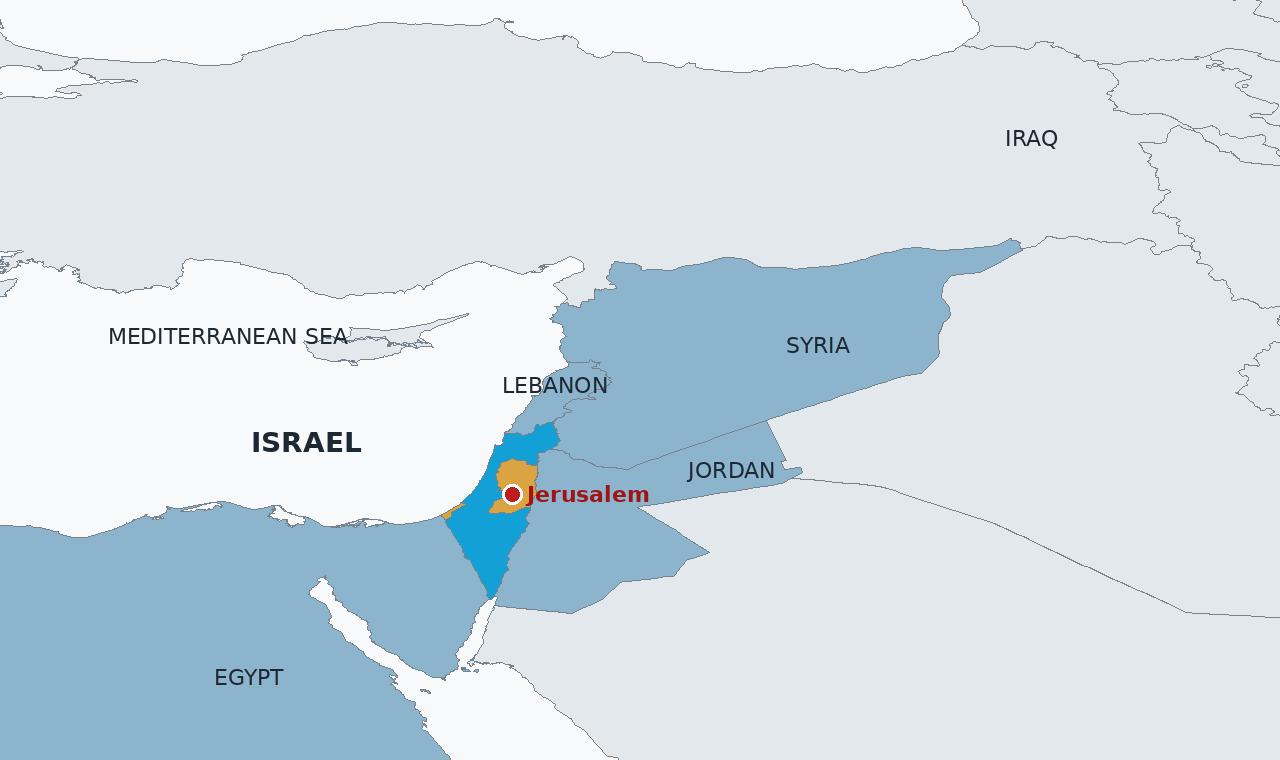
The polls closed at 10 on Tuesday night, and within a minute Israel had its answer from three television studios at once. Kan 11, Channel 12 and Channel 13 each published an exit poll, and each told the same story in slightly different numbers. Likud is the largest party again. Benjamin Netanyahu's bloc sits on 50 seats. Sixty one seats are needed to govern a 120 seat Knesset, and on the first hard evidence of the night, nobody is close.
Party by party, the squeeze at the top is real. Likud takes 24 to 25 seats, down from the 32 it won in 2022. Gadi Eisenkot's Yashar, the party built around the former army chief who challenged Netanyahu over the war, takes 21 to 23. The joint Bennett and Lapid list, running as Together, takes 12 to 14. Add the blocs up and the opposition lands on 52 to 53 seats, ahead of Netanyahu but still short, while the surprise of the night sits outside both camps. The Arab parties take 17 to 18 seats between them, the Joint List on 10 to 11 and Ra'am on 7, which means the parties Israeli politics has spent decades treating as partners of last resort now hold the balance of the country.
The fall underneath those numbers is steep, and it explains how a first place finish can feel like a defeat. Four years ago the Netanyahu bloc won 64 seats and a working majority. Tonight every channel puts it on 50, a collapse of 14 seats that no late count is going to reverse. Voters did turn out to deliver that verdict. The Central Elections Committee put turnout at 74.3 percent by 8 in the evening, with 5,449,277 votes already cast, up from 66.3 percent at the same hour in 2022 and the highest figure at that hour since 1988. A country that engaged at that level has produced a parliament that cannot agree on a government, and that mismatch is the story the count now has to live with.
Two cautions belong on the record before the bargaining hardens into fact. These are exit polls, not results. The real count had barely started when they aired, no official share had been published by the elections committee, and the first official batch was not expected until later in the night, with the polls themselves updating as counting proceeds. Seats can still move at the edges. What cannot plausibly move is the shape of the night, because three separate polls, run by three separate pollsters, landed on the same structure. For Gaza and the West Bank, that structure freezes things as they are. Israeli forces still hold about 64 percent of Gaza up to the Yellow Line, and the parties that want to annex more of the West Bank no longer command the majority such a move would need. All of it now waits on a government that does not exist.
So the arithmetic takes over, and it is unforgiving in every direction. The opposition plus Ra'am, the one Arab party that has sat in an Israeli coalition before, reaches 59 to 60 seats. One short, maybe two. Netanyahu plus Avigdor Lieberman's Yisrael Beytenu reaches 57 to 59. Still short. The opposition together with both Arab parties holds 70 seats, a majority on paper that its own members have never agreed to use. Eisenkot moved first into that gap. The exit polls, he said, show "a complete lack of confidence in Netanyahu", and he will act straight away to replace the government, calling the result a victory for Israel's mainstream majority if the polls hold. Yair Lapid went further, calling the night a tough defeat and a total collapse for Netanyahu's bloc. Netanyahu himself has not conceded, and he has made no statement on the exit polls at all. What happens next is slow by design. The count runs on, with a final tally expected on October 30 and the official results published on November 4. The president then hands one leader 42 days to build a government. If nobody reaches 61, Netanyahu stays on as caretaker prime minister and Israel votes again.
Our call is that the first mandate will fail, and that the failure is where the real negotiation starts. Every road to 61 tonight runs through a promise somebody made to their own voters: Ra'am sitting with parties that campaigned against it, Lieberman rescuing a man he swore to finish, or Likud and Yashar building the unity government their voters thought they were voting against. A seat or two from the count changes none of that, because the deadlock is not numerical, it is political. Expect weeks of performed talks, a caretaker Netanyahu still in the prime minister's office while they run, and a second election moving from threat to likelihood unless one leader decides that breaking a promise costs less than asking the country to vote again.
The Briefing
The day's world, market and sport, measured and in your inbox before breakfast. One email, no noise, free while we build it.
Subscribe by emailSubscribing opens your email app with a note to [email protected]. We never share your address.