Qatar brought a seven day plan to Tehran. Tehran says it was never an offer
Qatari mediators presented a draft built on seven days of step by step confidence building. A senior Iranian official dismissed it as unacceptable ideas, and Iran says it has a seven day plan of its own.
Tehran, Iran · October 28, 2026
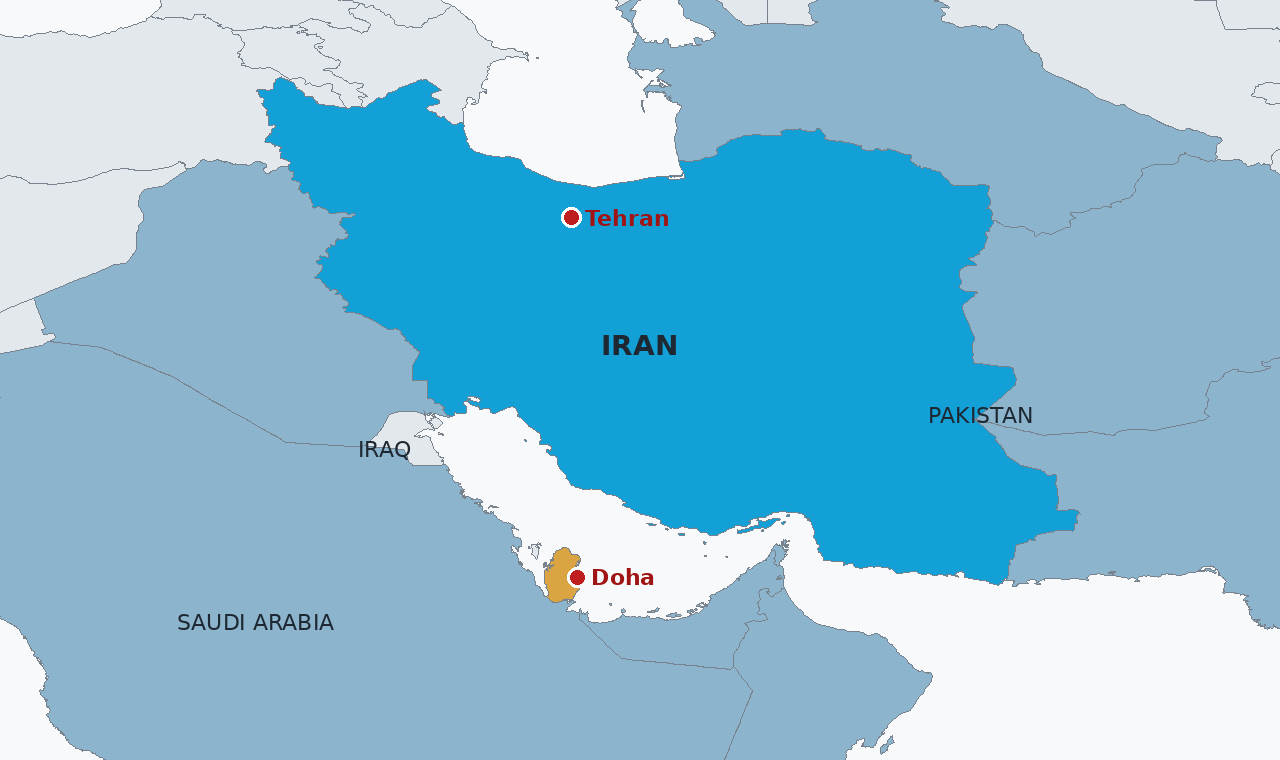
There are now two seven day plans for ending an eight month war, and the fight is over which one counts. Qatari mediators, who have led the mediation effort alongside Pakistan, presented a new draft in Tehran on Sunday. An official briefed on the negotiations said it set a seven day timeline of daily confidence building steps for both sides, could begin early next week, and would be backed by several countries acting as guarantors, with Tehran expected to respond by the end of the week. Then a senior Iranian official involved in the talks gave the other version: Qatar had presented only unacceptable ideas, not an offer, and Tehran's position of no flexibility on the nuclear issue had not changed.
Foreign Minister Abbas Araghchi tried to keep a door open while his colleague was closing one. He said Tehran remains in close contact with the intermediaries, is still giving diplomacy a chance, and has a seven day proposal of its own, one he said could be implemented in less than a week. That is not a rejection of talking. It is a rejection of whose paper the talking starts from, and in negotiations like these the paper matters, because the first step on the page decides who moves first and who gets blamed when step two fails.
Underneath the argument about drafts sits the same sequencing dispute that has blocked every round so far. Washington wants Iran's nuclear programme addressed from the outset. Tehran wants its own conditions met first, starting with an end to the American blockade of Iranian ports and the lifting of sanctions on its oil exports. A seven day ladder of small steps is designed to dodge exactly that problem, by making the first moves too small for either side to lose face over. The trouble is that even the ladder needs both sides to agree on the order of the rungs, and that is the argument they are still having.
The context makes the choreography harder to dismiss as theatre. This war has disrupted global shipping and oil supplies for eight months and has recently spread to Saudi Arabia and Yemen, which is why Qatar and Pakistan keep flying, and why guarantor countries are being lined up before there is anything to guarantee. Mediators do not recruit guarantors for a dead process. The public rejection and the private machinery are running at the same time, and both are real.
Our call is that the Qatari draft is bruised, not dead, and that the end of week response Tehran promised is the moment to watch rather than this week's adjectives. Iran's own seven day plan gives Araghchi something to trade: expect the next round to be argued as a merger of the two timelines, with the nuclear question pushed to a later rung in exchange for an early, visible move on the blockade or oil. If Tehran's formal response repeats the word unacceptable and offers nothing in return, the mediation is genuinely stalling. If it arrives with a counter sequence attached, the two plans start becoming one, and that is how these wars usually begin to end: not with an agreement, but with an argument about the order of steps that both sides have quietly accepted.
The Briefing
The day's world, market and sport, measured and in your inbox before breakfast. One email, no noise, free while we build it.
Subscribe by emailSubscribing opens your email app with a note to [email protected]. We never share your address.