Greece just banned social media for under 15s, and gave the platforms weeks to prove a user's age
Parliament voted on Friday to bar children under 15 from social networks from January 1, 2027. Platforms must verify ages reliably or face fines of up to 6 percent of global turnover, and the state's own wallet app is meant to confirm a user is over 15 without handing the platform a name or a birth date.
Athens, Greece · October 23, 2026

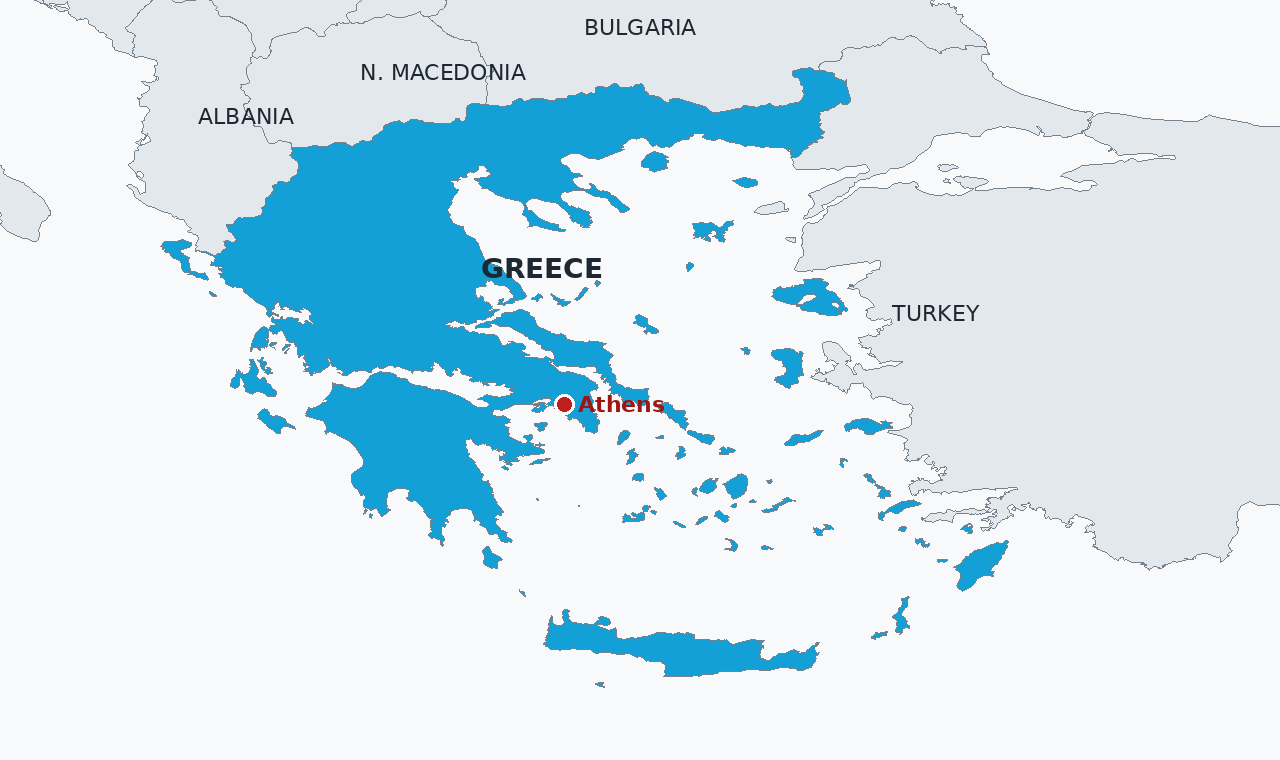
The vote took more than sixteen hours, ran from Thursday into Friday, and in the end only the governing New Democracy party backed it. PASOK voted present, the other opposition parties voted against, and Greece still became the country that moved first in Europe: from January 1, 2027, children under 15 are barred from social media, and the duty to keep them off sits with the platforms, not with parents.
The hard part was never the ban itself. It is the proof. The law requires platforms to run reliable age verification, and Greece's answer is its own technology: the Kids Wallet and Gov.gr Wallet apps can confirm to a platform that a user has passed 15 while telling it nothing else, no name, no date of birth, no identity document for the company to store. Other verification methods that meet Greek and European law are allowed. Companies that fail face fines of up to 6 percent of their global annual turnover, the penalty scale of the European Union's Digital Services Act. The ban covers social networking services. Private messaging and educational use sit outside it.
Ministers sold the law as a health measure as much as a technology one. Prime Minister Kyriakos Mitsotakis had announced the plan in April. Digital Governance Minister Dimitris Papastergiou told parliament it would have been easy to do nothing and wait for a perfect European law, but that children are sinking into the internet every day. Health Minister Adonis Georgiadis called digital addiction a public health challenge, pointing at lost sleep, lost concentration and the pressure of always being visible to everyone you know.
Greece is not alone in reaching for this lever, and the company it is keeping explains both the ambition and the risk. Australia has already imposed a similar ban for under 16s. France passed a law aimed at the same problem in July, and in August its Constitutional Council struck the central under 15 ban down as unconstitutional. Athens says it intends to be the first European Union member state to actually enforce a ban like this, and it is pushing for a shared EU approach, because a Greek rule that a child can step around with a foreign account protects far less than its headline promises.
Our call is that the wallet is the policy, and the ban is only its headline. Every age law in the world hits the same wall: proving age usually means collecting more data on children, which is the harm in a new costume. Greece has designed its way around that wall on paper, with the state confirming one fact and the platforms learning nothing else. If that works in practice from January, other European governments will copy the mechanism within the year, whatever they think of the ban itself. If teenagers route around it in a weekend, or the courts do to this law what France's court did to theirs, the vote will be remembered as the moment Europe's governments admitted they want this outcome and cannot yet build it. Watch the first enforcement letters, not the speeches.
The Briefing
The day's world, market and sport, measured and in your inbox before breakfast. One email, no noise, free while we build it.
Subscribe by emailSubscribing opens your email app with a note to [email protected]. We never share your address.