Soldiers in Milan, water cannon in Tirana: Europe's protest wave survives its second weekend
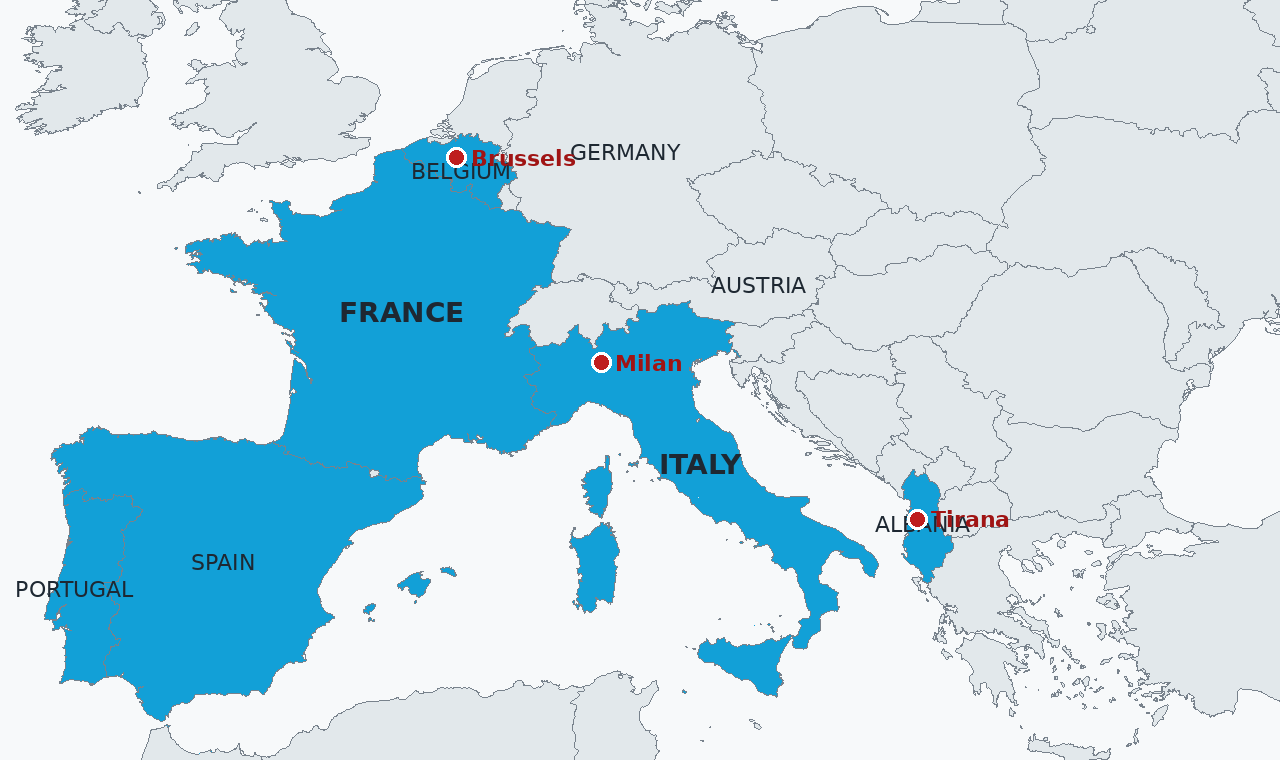
Thousands marched across Italy on Saturday behind 500 extra soldiers in Milan, police turned water cannon on crowds in Tirana and Brussels, and luxury shops boarded up from Rome to Milan. The demands differ by city. The pattern no longer does.
Milan, Italy · October 24, 2026
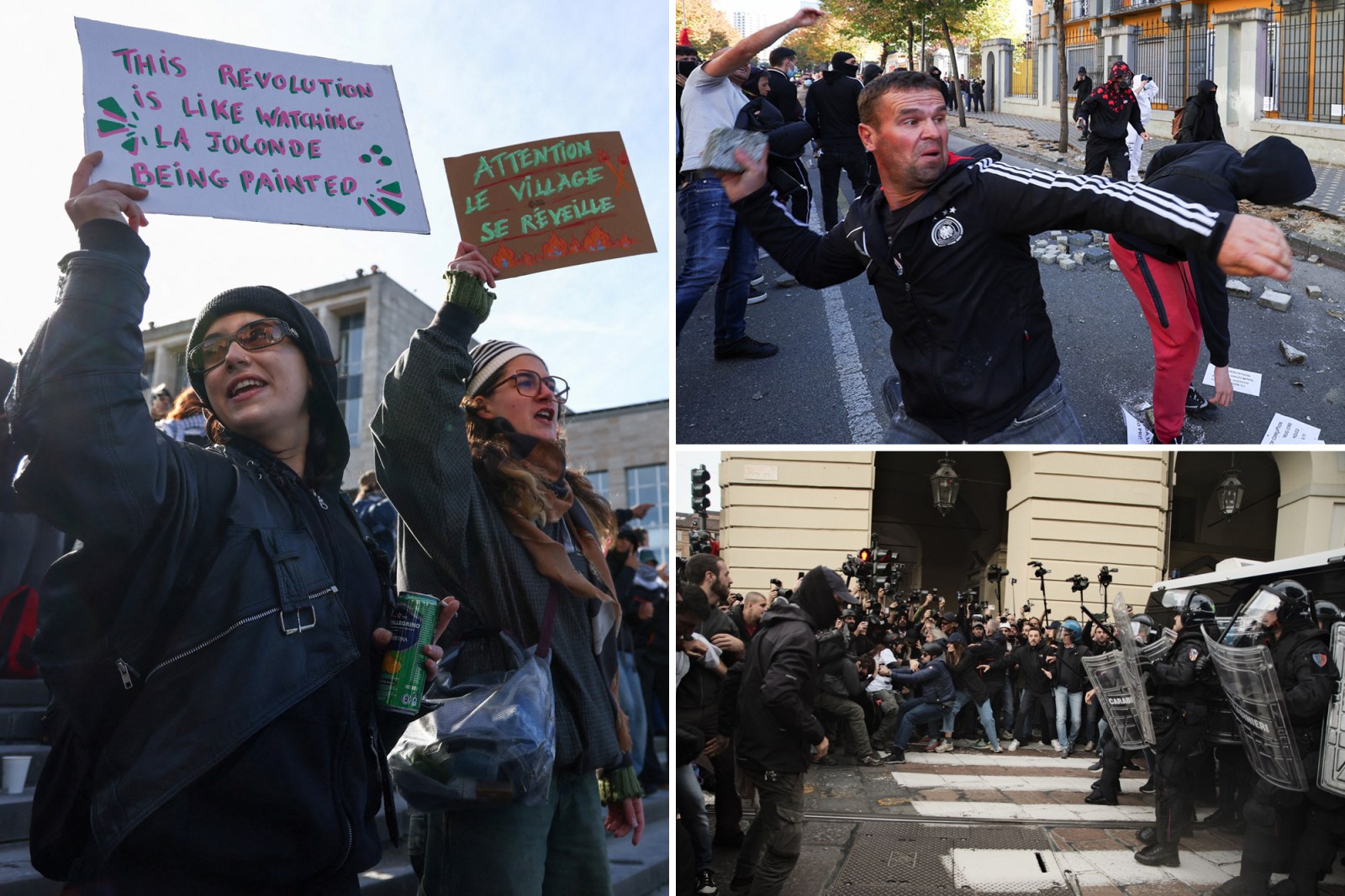
Milan marched behind soldiers on Saturday. Prime Minister Giorgia Meloni had sent 500 extra troops into the city, with drone surveillance and checks at railway stations, after looting marred the previous weekend's protests in northern Italy. Thousands of young people moved through the centre anyway, past boarded up luxury boutiques, chanting against the government. By late afternoon much of the city had stayed peaceful and some shops had reopened, which, given the week before, counts in Rome as the plan working.
Elsewhere the day was rougher. In Tirana more than 2,500 police officers were deployed as students rallied outside the education ministry demanding lower tuition fees, more state investment and the resignation of Prime Minister Edi Rama, and officers turned water cannon on the crowd. Protesters set fire to dumpsters and to couch cushions the prime minister had placed outside as a symbolic invitation to talk. In Brussels, police used water cannon and tear gas against student barricades while high end shops boarded up against a repeat of last week's looting, and at least five people were arrested. In Italy there were brief clashes in Rome and Turin, a group of protesters briefly got inside the Colosseum before guards removed them without damage, and police in Milan said nine people were arrested and 371 temporarily detained across eight cities, 110 of them minors.
Line the cities up and the demands refuse to merge into one programme. Tuition and corruption in Tirana. University funding in Brussels. Housing, rents and the cost of living in Madrid, Lisbon and the Italian cities. Pensions on the streets of Madrid the same day. France, where this wave began with student protests over schools in September, has already answered with local curfews. Nothing is centrally organised, and the newly formed October 17 Movement, student federations, unions and anti war coalitions all pull at the same crowds from different directions.
That looseness is exactly what makes the wave hard for governments to settle. A single movement can be negotiated with, bought off or waited out. A dozen local fires sharing one wind cannot. Each capital is answering with the tools it has: soldiers and tougher penalties for minors in Italy, curfews in France, an offer of dialogue from Rama in Albania alongside a warning that violent protesters will be punished. None of those answers touches the shared fuel, which is the arithmetic of being young in these cities now: rent, fees and bills rising on wages that are not.
Our call is that the second weekend was the test, and the wave passed it. A protest that survives its own crackdown weekend, in six countries at once, with the security response already priced in, is no longer an event. It is a season. Watch the date already being passed around in Lisbon: a call for a coordinated Iberian general strike with Spain on November 11. If that call lands, the story changes from parallel protests to connected ones, and connected movements are the kind that start setting terms instead of just setting weekends. Until then, the boarded shops tell you what Europe's governments actually expect, whatever their statements say.
The Briefing
The day's world, market and sport, measured and in your inbox before breakfast. One email, no noise, free while we build it.
Subscribe by emailSubscribing opens your email app with a note to [email protected]. We never share your address.