He lost by four million votes, skipped the court's order, and declared himself Brazil's leader from Miami
Flavio Bolsonaro refused a Supreme Court order to surrender his passports, crossed into Argentina, and flew on to Miami. From American soil he called himself Brazil's elected president, then edited it down to leader.
Miami, United States · October 28, 2026
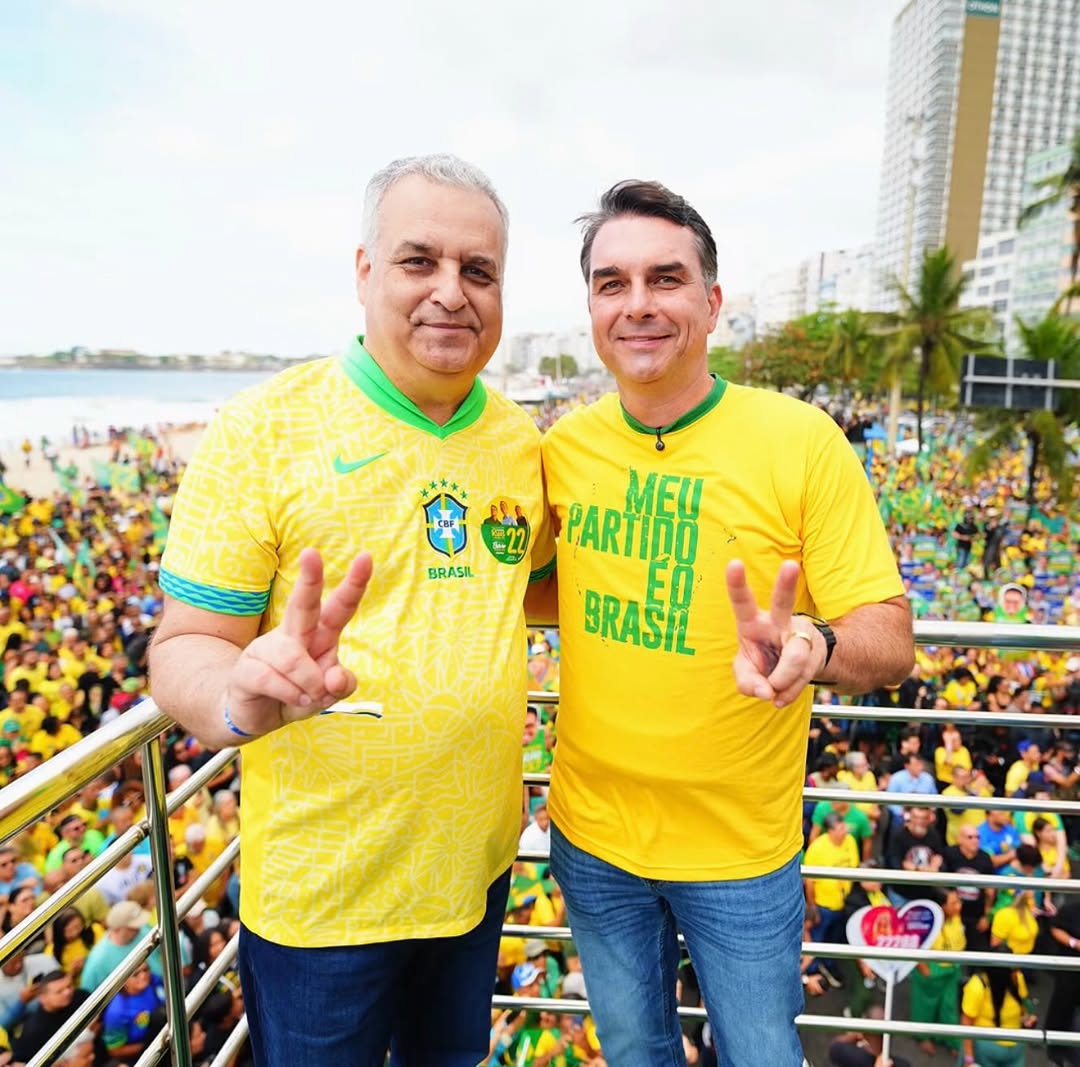
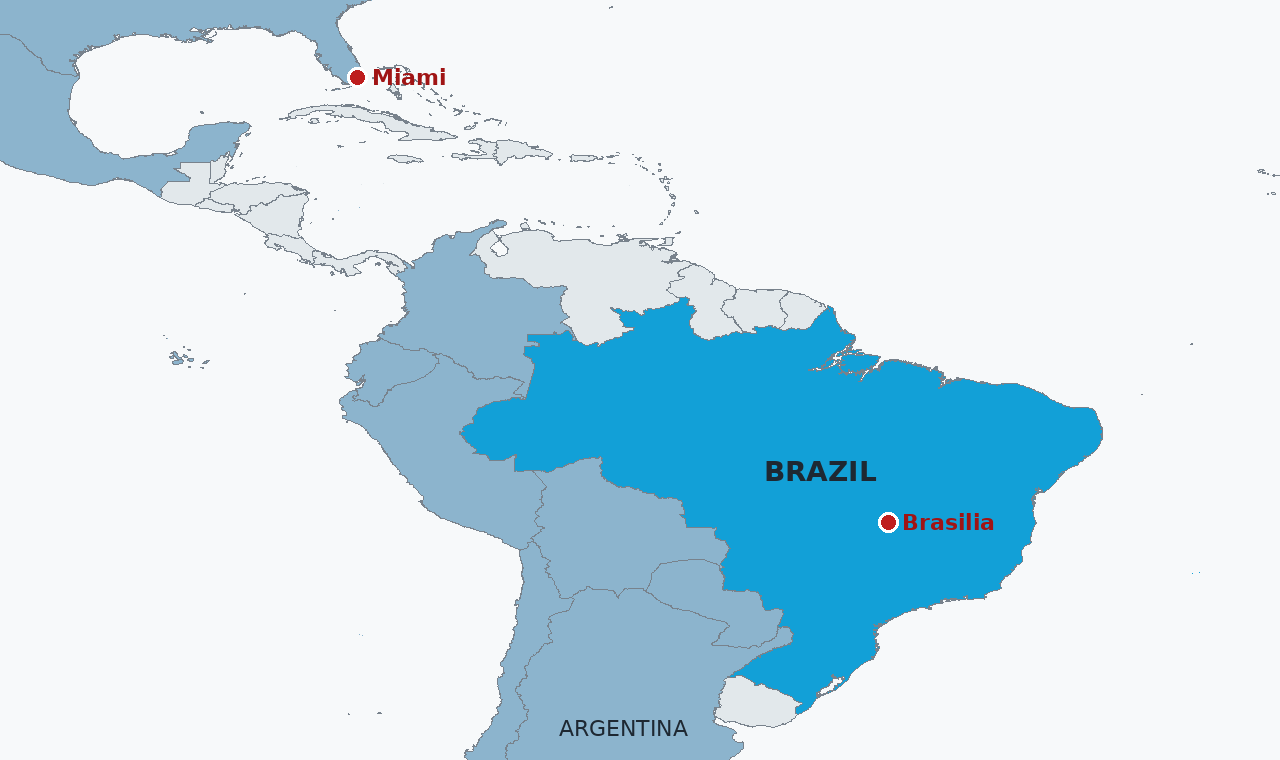
The journey tells the story before the statement does. Flavio Bolsonaro lost Sunday's presidential runoff to Luiz Inacio Lula da Silva, refused to comply with a Supreme Court order to surrender his passports, crossed into Argentina late on Tuesday over the Tancredo Neves Bridge, and boarded a private jet that stopped in Guayaquil, Ecuador, before landing at Miami's Opa-locka executive airport at 10:31 on Wednesday morning. He arrived with his wife and two daughters. The United States is giving the family entry visas, the State Department confirmed, and within hours of landing he told Brazil who he believed its president was.
His first open letter on X called him the elected president. He then deleted that version and posted another calling himself the country's rightful leader, saying the criminals who stole Brazil's election are part of a criminal organisation that has established a tyranny, and insisting, in the same breath, that he had not fled Brazil and had not abandoned the Brazilian people. He offered no evidence for the fraud claim. The result he is disputing was not close enough to argue about in a recount room: Lula took 51.79 percent to his 48.21 percent, a gap of about 4.43 million votes, and the outcome has been recognised by Brazil's federal electoral court, by international observers and by Bolsonaro's own party.
The court order he outran is the part of this that will follow him. Supreme Court Justice Alexandre de Moraes had ordered the passports surrendered in connection with a money laundering inquiry, and the deadline lapsed with nothing handed over. The Supreme Court said no search warrant had been issued against him, which cuts both ways: it undercuts any claim that he escaped arrest, and it leaves the passport order standing as a court instruction a senator simply chose not to obey. Bolsonaro thanked Argentine President Javier Milei for helping him travel and President Donald Trump for the visas, framing both as protection against what he called the politicisation of Brazil's justice system.
For Washington, the arrival is a problem wearing a friendly face. The United States has just issued visas to a defeated candidate who is using American soil to dispute a certified result in Latin America's largest country, and Trump, asked about the comments, declined to comment beyond calling it a very strange election. Brasilia will read the visas and the silence together. Brazil also holds the world's second largest reserves of rare earths, which is the sort of fact that turns a political embarrassment into a diplomatic file that trade and defence officials start reading.
Our call is that the exile strategy fails on its own terms, and the edit in his letter is the tell. A man who believed the presidency had been stolen from him does not soften elected president to leader within hours unless the first claim landed badly even with his own side. His party has recognised Lula's win, the electoral court has certified it, and an opposition led by video from Florida competes for attention with every ambitious ally still in Brasilia who did not leave. Expect the legal pressure to matter more than the rhetoric: the passport order and the inquiries behind it give Brazilian courts a slow, procedural hold over his future that no letter from Miami can lift, and his influence at home will drain at the speed of other people's ambitions.
The Briefing
The day's world, market and sport, measured and in your inbox before breakfast. One email, no noise, free while we build it.
Subscribe by emailSubscribing opens your email app with a note to [email protected]. We never share your address.