113 ports walked out on Friday. The cargo was the point.
Dockworkers in 113 ports across 22 countries stopped work on Friday in a coordinated strike against the use of civilian ports for arms shipments. The walkout disrupted cargo and ferries from Piraeus to Tangier Med, and it asked a question governments have so far avoided: who, in law, gets to say no to a weapons shipment?
Athens, Greece · October 30, 2026
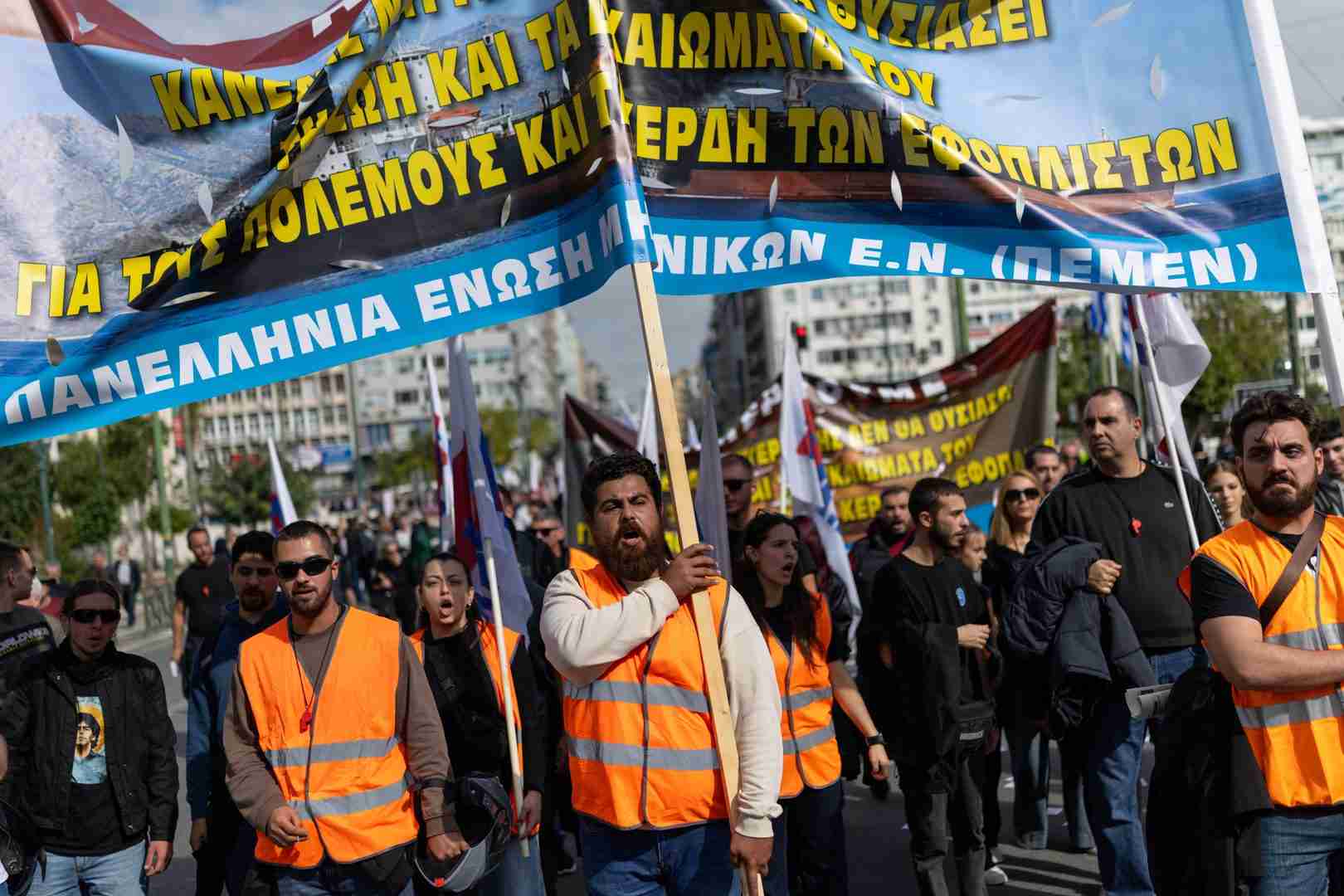
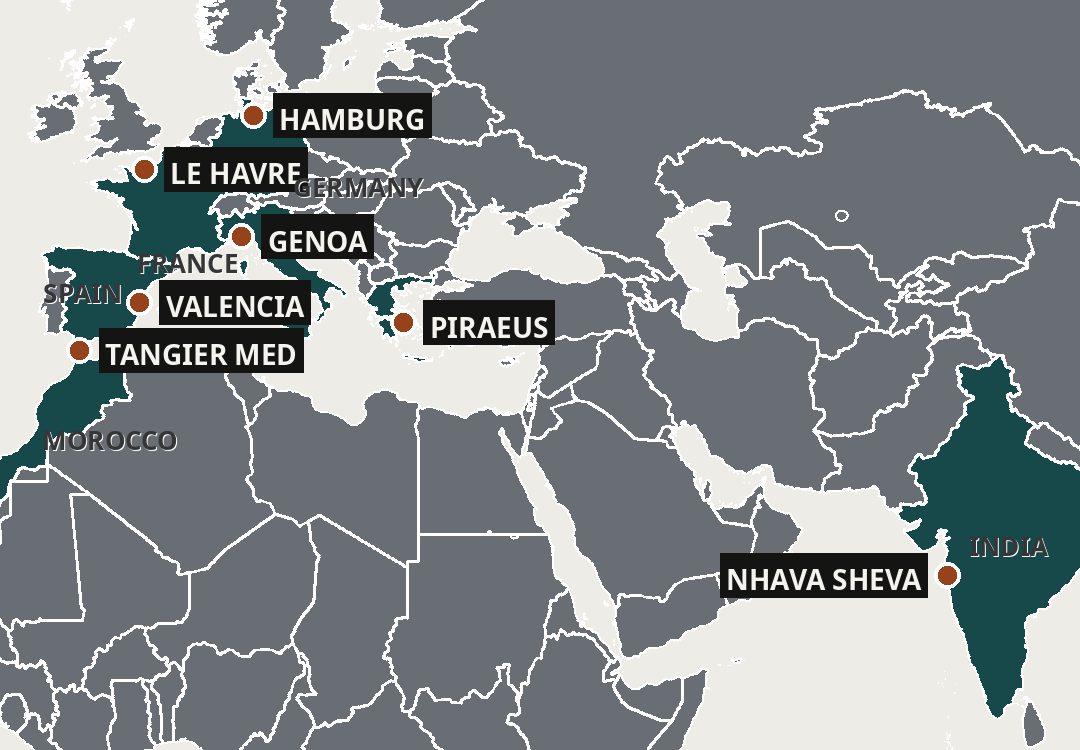
The world's arms do not move themselves. They are loaded by hand, in civilian ports, by people who on Friday decided to put the tools down. Dockworkers struck across 113 ports in 22 countries, under the banner Dockworkers Don't Work for War, in the largest coordinated port action of its kind. Cargo operations were disrupted at hubs including Piraeus, Genoa, Valencia, Le Havre, Hamburg, Tangier Med and India's Nhava Sheva, and ferry services to the Greek islands were suspended as about 3,000 dockworkers and seafarers walked out at Piraeus, Greece's largest port.
The strike began with unions in Italy, France, Greece, Spain's Basque Country, Turkey and Morocco, and by Friday more than 25 unions had backed it. Their core demand is simple to state and hard to grant: ports should not be used to transport weapons, ammunition or troops to war zones. Around it sit the demands of a workforce that sails through those wars, including pay rises, better conditions and the right to have doctors on board vessels crossing war zones. The numbers behind that ask are grim. Unions point to 570 confirmed attacks on vessels in the Black Sea so far this year, leaving 40 seafarers dead and hundreds wounded, and 28 attacks in the Gulf in the first 21 days of October alone, a record since the start of the Iran war.
This did not arrive from nowhere. In May, dockworkers' unions from more than 35 European countries published the Istanbul Declaration, demanding that port facilities not be used to move weapons to war zones, and Italian ports led by Genoa have a recent history of blocking individual shipments. An activist group backing the strike, No Harbour for Genocide, said the action would halt some 52,000 containers and snarl cargo worth 2.8 billion dollars. Reuters could not independently verify that figure, and port operators in places like Genoa expected only limited disruption, which is worth holding on to: the strike's power on Friday was political first and logistical second.
The legal gap is the reason the politics matter. A licensed arms shipment moves through a commercial terminal as ordinary container freight, and under current maritime and trade law the people who load it have almost no instrument to refuse it. Export licences are granted by governments, the Arms Trade Treaty binds governments, and neither gives a crane driver a say. Walking out is, in effect, the only veto a port worker holds, which is why the unions used it in 22 countries at once rather than port by port.
Where this goes next depends on whether Friday stays a demonstration or becomes a calendar. The unions have now run three successive international mobilisations since October 2025, each bigger than the last, and the demand list deliberately mixes the arms question with pay and safety, which keeps the coalition wide. Governments, for their part, cannot concede a worker veto over licensed defence exports without rewriting how arms sales work, and most will not try.
Our call is that this becomes a recurring fixture rather than a one day story, and that the real fight moves off the quay and into legislatures. Expect at least one government in Europe to test a formal right for port workers to refuse military cargo, and expect the others to answer with protected status for strategic shipments instead. Either way, the strikers have already changed the argument: arms exports used to be debated as contracts between states, and 113 ports just insisted they are also a decision made by the people who load the ships.
The Briefing
The day's world, market and sport, measured and in your inbox before breakfast. One email, no noise, free while we build it.
Subscribe by emailSubscribing opens your email app with a note to [email protected]. We never share your address.