Albania's streets want Rama out. The parliament maths says only his own party can do it.
Students have protested in Tirana and seven other cities for two weeks, and more than 300 people were injured on Saturday alone. Edi Rama holds 83 of 140 seats, refuses to resign, and the movement chanting against him has no leader to negotiate with or to take his place.
Tirana, Albania · October 28, 2026
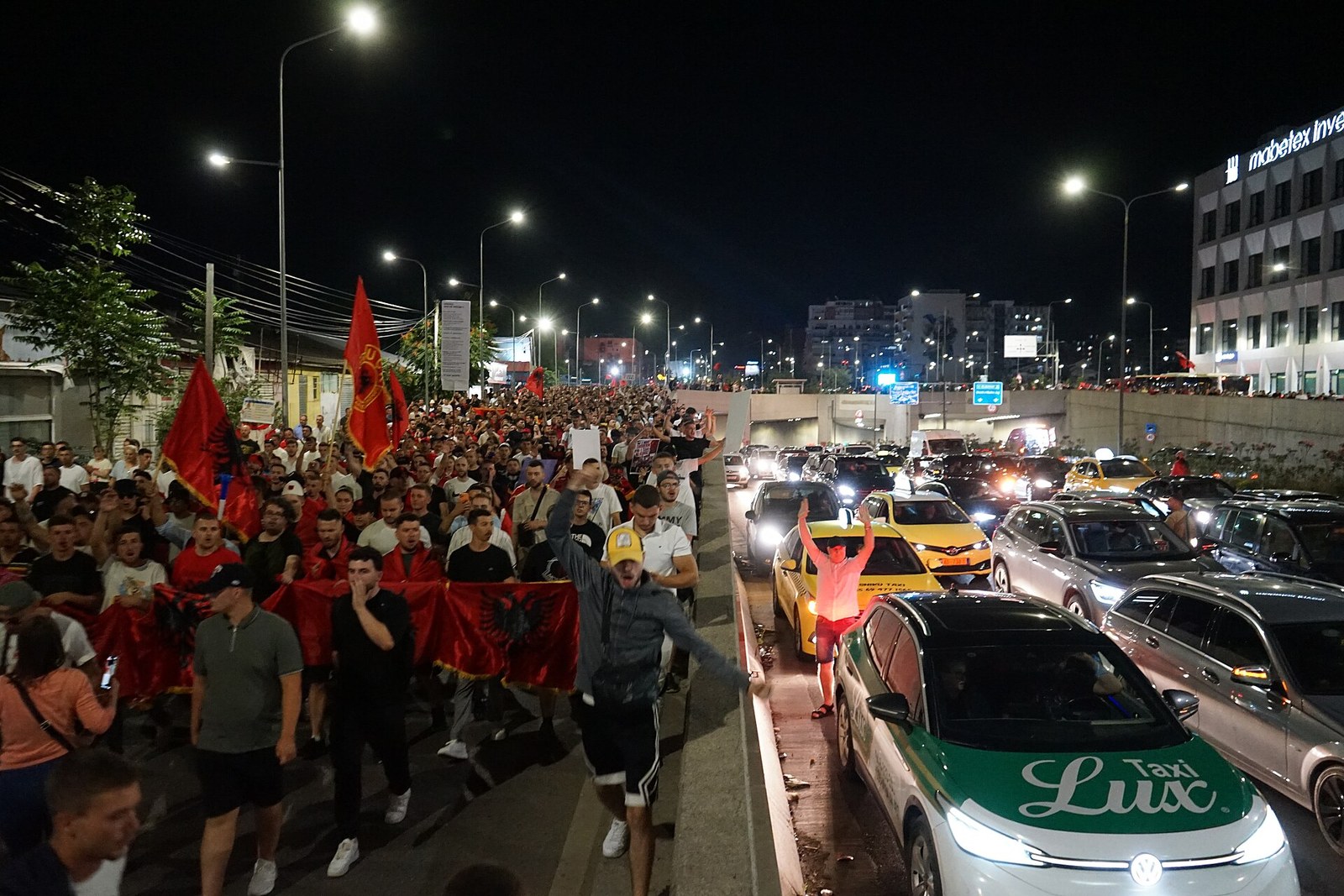
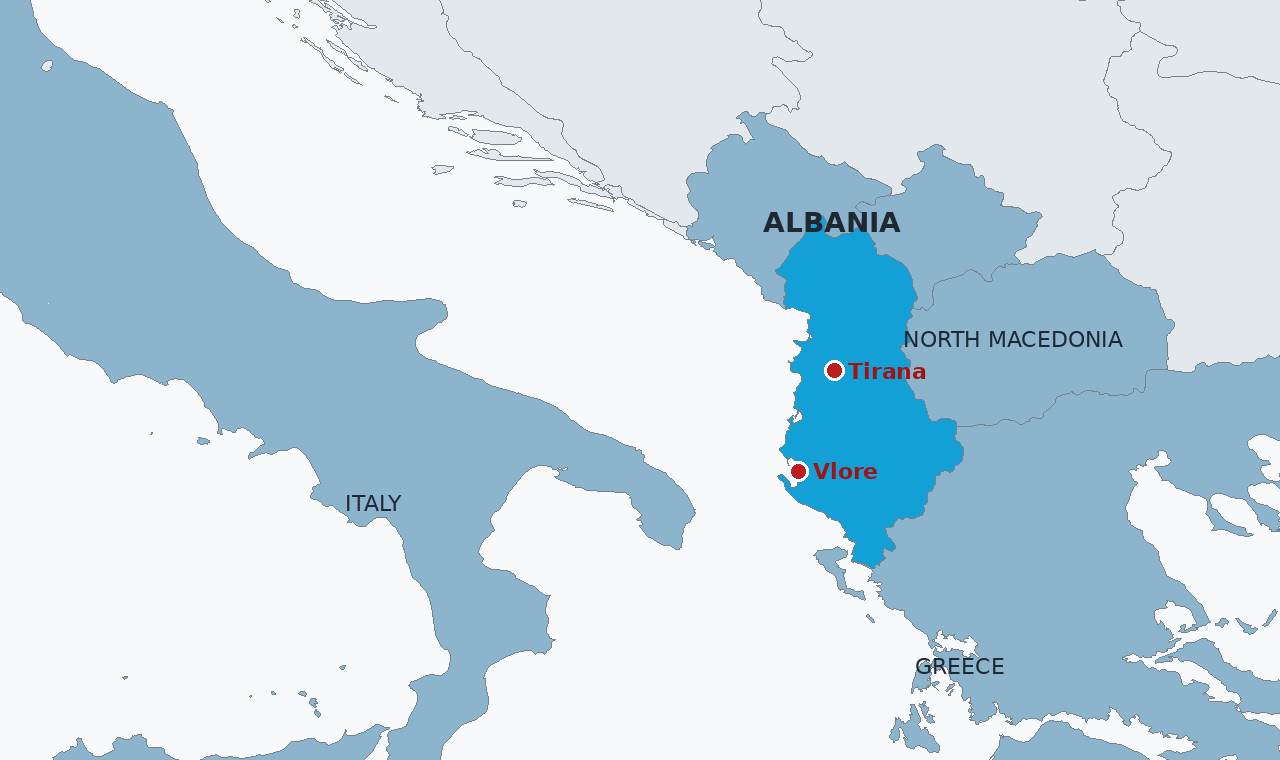
Tirana has filled every day for two weeks, and Saturday was the roughest day yet. Students who joined the protests on October 13 have marched in the capital and in Durres, Shkoder, Lezhe, Elbasan, Vlore, Gjirokaster and Korce, fighting police with stones and fireworks while officers answered with tear gas, water cannon and rubber bullets. Authorities said more than 300 protesters and police were injured on Saturday alone, about 2,500 police were deployed in Tirana, and dozens of people were detained. The demand, chanted outside the education ministry and the prime minister's office, is short enough to fit on a wall: Prime Minister Edi Rama should resign.
The spark was a beach, not a budget. In May, Albanians rose against a 1.4 billion euro luxury resort planned for Sazan Island and the Zvernec coast, in the protected Vjosa-Narta lagoon, a flamingo habitat, by a company linked to Jared Kushner, the son in law of President Donald Trump. They called it the Flamingo Revolution, and the name stuck. The project is now suspended while a full environmental assessment is done, and Rama said on September 29 that the assessment, not the protests, will decide its future. By then the argument had already moved on. Anti corruption prosecutors at SPAK have charged Rama's own deputy prime minister, Belinda Balluku, who was dismissed in a reshuffle this year after parliament refused to authorise her arrest, and Tirana's mayor Erion Veliaj has sat in pre trial detention since his arrest in February 2025. Students added lower fees, better dormitories, real jobs and a cost of living they can meet. Albania scored 39 out of 100, its lowest mark yet, in Transparency International's corruption index published in February.
That mix explains why the usual exit does not exist. In the May 11, 2025 election Rama's Socialists won 83 of parliament's 140 seats on 53.3 percent of the vote, a fourth straight term for a prime minister in office since 2013. The Democratic Party alliance led by Sali Berisha holds 50 seats. A government falls when 71 of the 140 members vote against it, and Rama's party alone clears that bar by 12, so no vote can remove him unless his own MPs turn. He knows it. On October 25 he said, in a video address reported by Reuters, that those who demand his resignation are mistaken if they think they can impose it through violence, and on October 27 he repeated that governments change through elections. The next one is due in 2029.
The movement, for its part, refuses to hand him an easier target. It has no single leader, organises through messaging apps and social media, and chants for Berisha to be jailed too, a line AP heard on Saturday. Opposition politicians have been booed at rallies. That protects the protests from being bought or decapitated, but it also leaves nobody who can sign a deal, call a pause or inherit power if Rama did fall. The government's answer has run on two tracks at once: dialogue offers, with cushions placed outside the prime minister's office for talks and burned by protesters on October 25, plus student and family measures promised in the 2027 budget, set against fines of 500,000 lek, about 6,188 dollars, for anyone at a protest that turns violent and new limits on gatherings. Behind all of it sits the European Union path Rama has staked his legacy on, with all 33 negotiating chapters open and a government target of membership in 2030, which gives Brussels quiet leverage and gives protesters a stage Europe is already watching.
Our call is that Rama survives the street and should worry about his own benches instead. A leaderless movement can keep Tirana ungovernable for weeks, raise the cost of every week in Brussels and force concession after concession on fees and fines, but it cannot supply the 71 votes, and Berisha's 50 cannot either. The only route out runs through the Socialist group itself, through MPs deciding that defending Balluku era corruption cases and nightly clashes costs more than replacing the man at the top, with SPAK's cases as the pressure that could split them. Watch the parliamentary group, not the square, for the first real crack: a public break by a handful of Socialist MPs would matter more than another Saturday of tear gas. Until that happens, expect the pattern of the last two weeks to hold, daily protests, periodic violence, small offers from the government and no resignation, with the EU talks quietly setting the limit on how hard either side can push.
The Briefing
The day's world, market and sport, measured and in your inbox before breakfast. One email, no noise, free while we build it.
Subscribe by emailSubscribing opens your email app with a note to [email protected]. We never share your address.