The Bank of England's hawks are done waiting, and Greene wants a rise before inflation moves first
Megan Greene says the risk of inflation picking up again is bigger than the Bank expected, and that rates should rise proactively. She voted for a hike in September and lost 6 to 3. Investors now expect Bank Rate to reach 4 percent next month.
London, United Kingdom · October 20, 2026
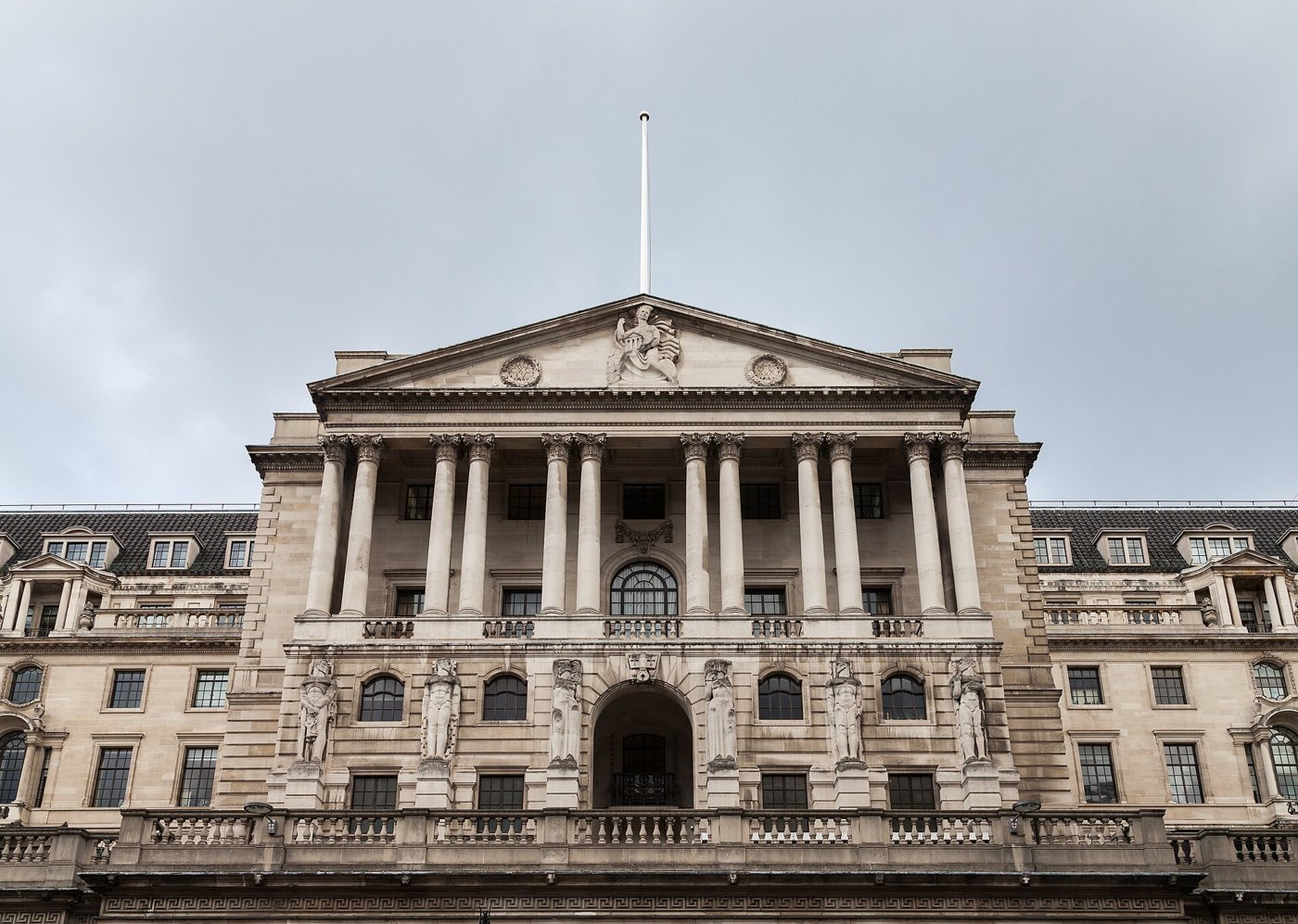
Megan Greene is not waiting for the inflation data to make her argument for her. The Bank of England policymaker said this week that the risk of inflation picking up again, as the energy shock works through wages and prices in a second round, is bigger than the Bank had expected, and that interest rates should rise proactively rather than after the fact. It is the clearest statement yet from inside the Monetary Policy Committee that September's decision to hold was, for a growing minority, the wrong call.
Greene has the votes to show this is not a solo run. In September the committee held Bank Rate at 3.75 percent by six votes to three, with Greene, Catherine Mann and Jonathan Pill all voting to raise it to 4 percent. Since then the ground has shifted her way. Private sector pay growth has risen again, for the first time since the end of 2024, which is precisely the second round signal she has been warning about, and investors have moved with her: markets now expect a quarter point rise to 4 percent at the Bank's next meeting. ING's James Smith describes a November rise as a likely insurance move, a hike taken out against inflation rather than in response to it.
The argument underneath is about which mistake the Bank can afford. Cut or hold too long and an energy driven price rise hardens into wage settlements, and the Bank ends up raising rates further and faster later. Raise now and it tightens into an economy that is hardly booming, squeezing households whose mortgages reset into rates they did not plan for. Greene's position is that the first mistake is the expensive one, and history, including the Bank's own slow start in 2021, is on her side of that ledger.
Our call is that the rise happens in November. A minority of three with the wage data moving toward them usually becomes a majority within one meeting, and the language of insurance gives the waverers their cover: one rise, framed as protection, with no promise of more. Watch the vote split rather than the decision itself. A 5 to 4 rise tells you the committee is frightened and divided, and that every meeting after it becomes a fight. A 7 to 2 rise tells you Greene was not ahead of her colleagues at all. She was just the first to say it out loud.
The Briefing
The day's world, market and sport, measured and in your inbox before breakfast. One email, no noise, free while we build it.
Subscribe by emailSubscribing opens your email app with a note to [email protected]. We never share your address.