South Korea shipped a record $61.6 billion in 20 days, and almost half of it was chips
Exports in the first 20 days of October surged 105.4 percent to a record $61.6 billion. Semiconductor exports alone jumped 222.5 percent to $27.5 billion, 44.7 percent of everything South Korea sold to the world.
Seoul, South Korea · October 21, 2026
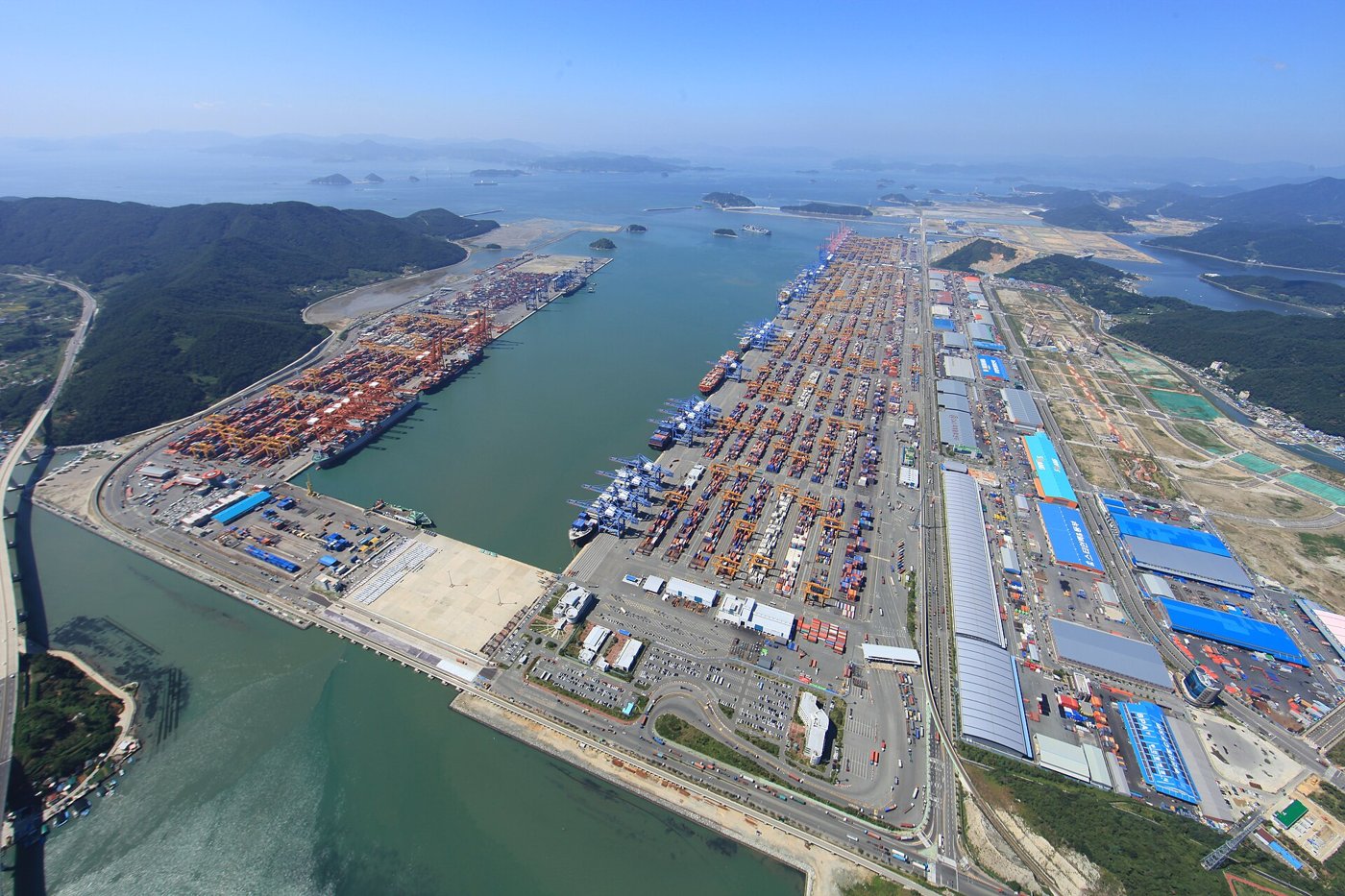
Every AI data centre being built anywhere on earth leaves a paper trail, and a lot of that trail runs through South Korean customs. In the first 20 days of October, South Korea exported $61.6 billion of goods, a record for the period and up 105.4 percent on a year earlier. Strip out the calendar, which flatters the headline because of how working days fell, and the pace still sets a record: exports per working day averaged $4.74 billion, up 65.9 percent. This is not a statistical quirk. It is the physical side of the AI boom, counted crate by crate.
Chips are doing the heavy lifting, to a degree that ought to make planners in Seoul both proud and nervous. Semiconductor exports jumped 222.5 percent to $27.5 billion and made up 44.7 percent of all exports, nearly one dollar in two earned abroad by a single product category. Imports rose 42.8 percent to $47.1 billion, leaving a trade surplus of $14.5 billion for the 20 days. Behind those figures sit the memory giants whose high bandwidth chips feed the accelerators in American and Chinese data centres, shipping at prices and volumes the industry has never seen at the same time.
The surge has a cause that is easy to trace and hard to sustain forever. Global AI investment keeps pulling Korean chips out of the country at a record pace because, for the memory that matters most, there are only a handful of suppliers on earth and South Korea holds the strongest hand. That is pricing power, and it is why a trade release from Seoul has become one of the earliest hard readings on whether AI spending is still accelerating. October's answer is unambiguous.
Our call is that the risk in this story is concentration, not demand. A country earning 44.7 percent of its export income from one category is riding a cycle, however golden the cycle looks, and memory chips are the most cyclical product in technology. When the data centre buildout pauses, and one quarter it will, Korea's trade numbers will feel it first and hardest. Until then, expect these monthly readings to keep setting records and to keep being read in Washington and Beijing as a scoreboard. On the evidence of the first 20 days of October, the boom is not cooling. It is compounding.
The Briefing
The day's world, market and sport, measured and in your inbox before breakfast. One email, no noise, free while we build it.
Subscribe by emailSubscribing opens your email app with a note to [email protected]. We never share your address.