The warnings are back on: Oslo hands Ukraine its missile alerts again
After days of silence from Washington, President Zelenskiy left Oslo saying American early warning of Russian missile launches is flowing again. The satellite link may follow within 48 hours. What Kyiv still does not have is any promise it stays on.
Oslo, Norway · October 20, 2026
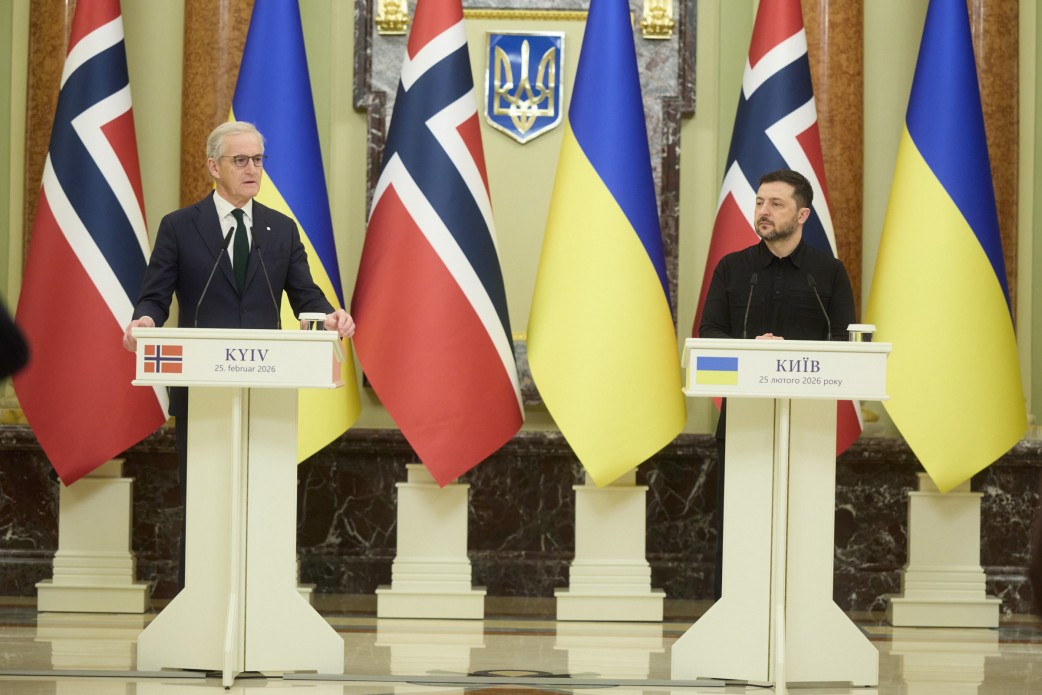
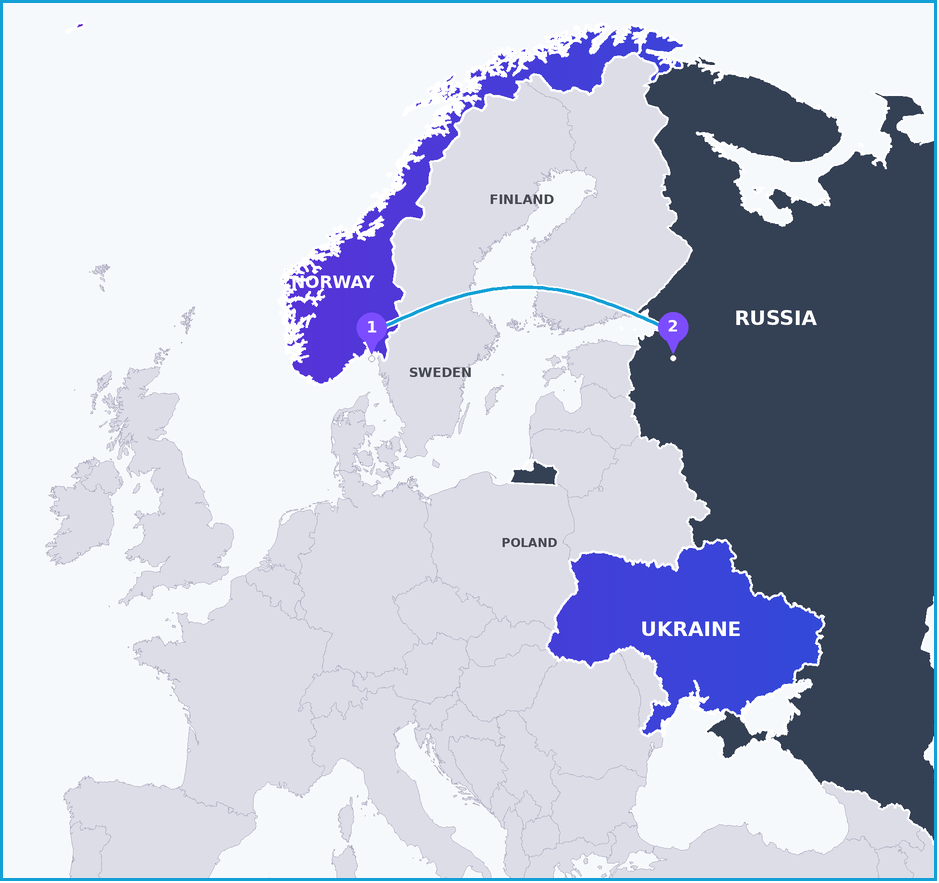
The most valuable thing Ukraine took home from Oslo on Tuesday was not a weapon. It was minutes. President Volodymyr Zelenskiy confirmed after talks in the Norwegian capital that the United States has resumed sharing the intelligence that warns Ukraine when Russian ballistic missiles are on their way, a flow Kyiv says had simply stopped arriving. "Now it works," he said of the unblocked warnings, and anyone who has watched Ukrainian cities count the gap between a launch and an impact knows what those minutes are worth. They are the difference between people in shelters and people in the open, between interceptors ready and interceptors cold.
Zelenskiy had come to Oslo because the relationship underneath that flow had been coming apart. Norway and Finland hosted the meeting, with Norwegian Prime Minister Jonas Gahr Stoere and Finnish President Alexander Stubb in the room, American envoy Steve Witkoff across the table and Jared Kushner joining by video. Kyiv had asked for the envoys, and Stoere said plainly what the day was for: putting diplomacy back on a more constructive path. Behind the handshakes sat a list of Ukrainian complaints that had been building all month. Washington had failed to pass on early warning of Russian launches. The Starshield satellite links guiding Ukrainian drones had been throttled. And a batch of Patriot interceptors, already paid for by European allies, had not been delivered, with Defence Secretary Pete Hegseth yet to approve the transfer. Zelenskiy had raised all three with Secretary of State Marco Rubio: the interceptors, the warnings and the satellite connection.
The backdrop made the repair job harder. President Trump has waived sanctions on Russia, saying it would bring American fuel prices down, and on Monday he said that "Russia, frankly, has been fine on Ukraine", that Zelenskiy was not helping matters much, and that Kyiv should find somebody else to negotiate. Rubio, for his part, acknowledged that a consignment of American air defence missiles bought by Europeans may not have been delivered yet, while denying any deliberate decision to hurt Ukraine. So Oslo produced a restoration, not an apology. The warnings are flowing again, Zelenskiy thanked the American side for it, and he hopes the full satellite connection follows within 48 hours.
Where this goes next is St Petersburg, and it goes there fast. Witkoff flies to Russia's second city on Wednesday to put the Oslo proposals to the Russian leadership, including a security guarantees document drawn up with Ukraine and its European partners, and an answer is expected a day later. Stoere suggested the trip could open the way to a leaders' meeting, the first real one of this phase of the war. Watch two things in the next 72 hours: whether the satellite link actually comes back on the timetable Zelenskiy named, and whether Moscow treats the Oslo package as an opening bid or as a Western concession to be pocketed before asking for more.
Our call is that the restoration itself tells the harder truth about where this war's diplomacy now runs. A warning flow that can be switched off in a quarrel and switched back on after a summit was never just a technical arrangement. It is leverage, and Kyiv now knows its air defence picture partly depends on the mood of an argument in Washington. That knowledge will shape what Ukraine can accept in any settlement far more than the wording of a guarantees document, because a guarantee from the same hand that held the switch is worth less than it reads. Expect Zelenskiy to take the St Petersburg track seriously while quietly pushing Europe to build warning and satellite capacity Washington cannot throttle. If the link is back within 48 hours and still on when the next Russian strike wave comes, Oslo will have bought something real. If it flickers again, every capital in Europe will draw the same conclusion Kyiv already has.
The Briefing
The day's world, market and sport, measured and in your inbox before breakfast. One email, no noise, free while we build it.
Subscribe by emailSubscribing opens your email app with a note to [email protected]. We never share your address.