The Pentagon just called language classes a security threat
The Defense Department has designated China's Confucius Institutes as a threat to national security, with Pete Hegseth alleging that 80 rebranded cells across 30 universities were set up to steal intellectual property, and that his department dismantled every one in two months. Beijing calls it smearing and stigmatisation.
Washington, United States · October 26, 2026

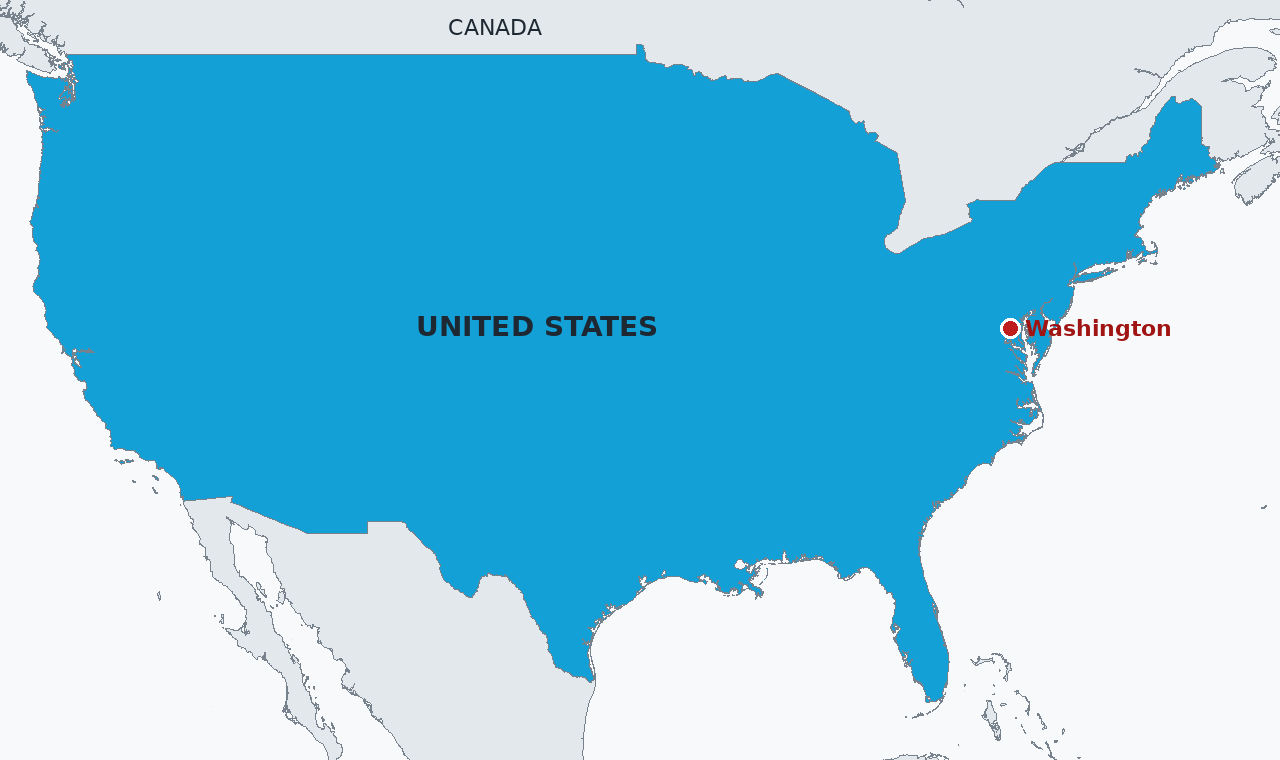
Language classes just landed on a Pentagon threat list. The Defense Department has designated the Confucius Institutes, the Chinese funded cultural centres on university campuses, as a threat to United States national security, Defense Secretary Pete Hegseth announced on Friday in a video posted on social media. Washington has long accused the institutes of being Chinese propaganda tools and has taken steps against them before. This move puts them formally on the Pentagon's list of institutions that threaten national security, and Hegseth's account of why was specific: the institutes had returned in disguise after earlier crackdowns, under different names on American campuses.
His numbers were the headline. It turns out, Hegseth said, that 80 new propaganda cells across 30 universities had popped up using different names and different charters, with the same mission: to steal intellectual property and to infiltrate the minds of American students. Over the past two months, he said, the Defense Department has systematically dismantled every single one of these organisations. Those are the secretary's claims, stated as claims: the department's case rests on its own audits, and the Chinese embassy in Washington did not immediately respond to a request for comment when the designation was announced on Friday.
Beijing answered on Monday. China's foreign ministry said it opposes the smearing and stigmatisation of the institutes, and its spokesperson Guo Jiakun told a regular briefing that educational exchanges between China and the United States are mutually beneficial and help deepen mutual understanding. The state news agency Xinhua had gone further on Sunday, calling the national security label an absurd overreach and accusing American politicians of stoking anti China sentiment ahead of the midterm elections. Between the two capitals' versions there is no shared fact except the designation itself: one side describes a counter intelligence operation, the other describes a cultural bridge being burned for votes.
The part of this that bites is not the label but the list it sits on. Universities that collaborate with entities on the Pentagon's list of concerning institutions can lose defence funding, as The Washington Times reported in its account of the designation, which also set out the Section 1286 list behind the policy. Defence research money is woven through American universities, and a listing that touches it does not need to ban a single language class outright. It only needs to make a university lawyer read a partnership agreement and decide the risk is not worth it. That is how these designations usually work: the announcement is loud, the compliance departments do the rest, quietly and completely.
Our call is that the practical effect will be total even where the evidence stays contested, because no university president will trade defence research funding for a cultural centre, however benign they believe it to be. Expect partnerships to be cut first and argued about later, and expect other Chinese linked academic programmes that were never Confucius Institutes to feel the chill anyway, since the allegation at the centre of this is that the names changed while the mission did not, which makes every renamed programme suspect by definition. The open question is whether the Pentagon publishes the basis for the 80, campus by campus, or leaves the claim at the level of a video announcement. If the list and the audits stay unpublished, the designation will stand as policy and remain unproven as fact, and both governments will go on describing the same empty classrooms in opposite words.
The Briefing
The day's world, market and sport, measured and in your inbox before breakfast. One email, no noise, free while we build it.
Subscribe by emailSubscribing opens your email app with a note to [email protected]. We never share your address.