A divided Libya found one thing it agrees on
Libya's foreign ministry summoned the American envoy on Sunday to protest rally remarks it called offensive, after President Trump branded Libya terror-infested at a rally in Georgia. The rival government in the east denounced the remarks too. By Sunday night Trump was praising Libyans on Truth Social, and holding his line on migration.
Tripoli, Libya · October 26, 2026
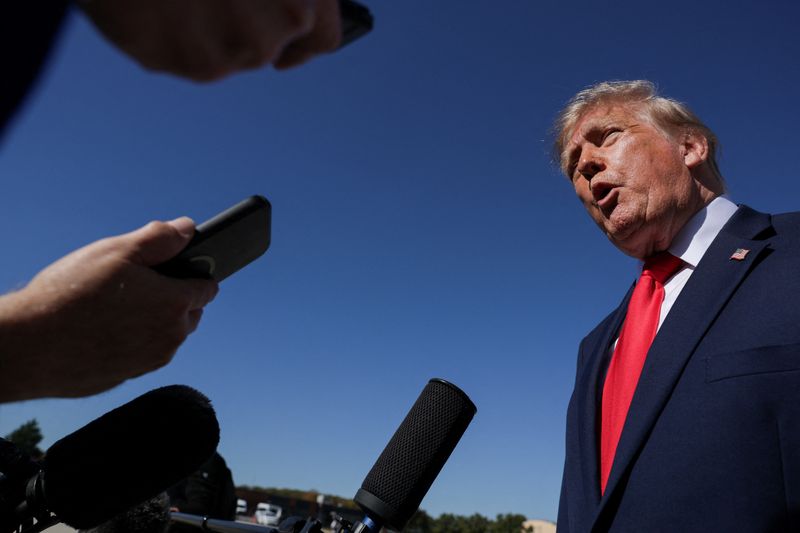
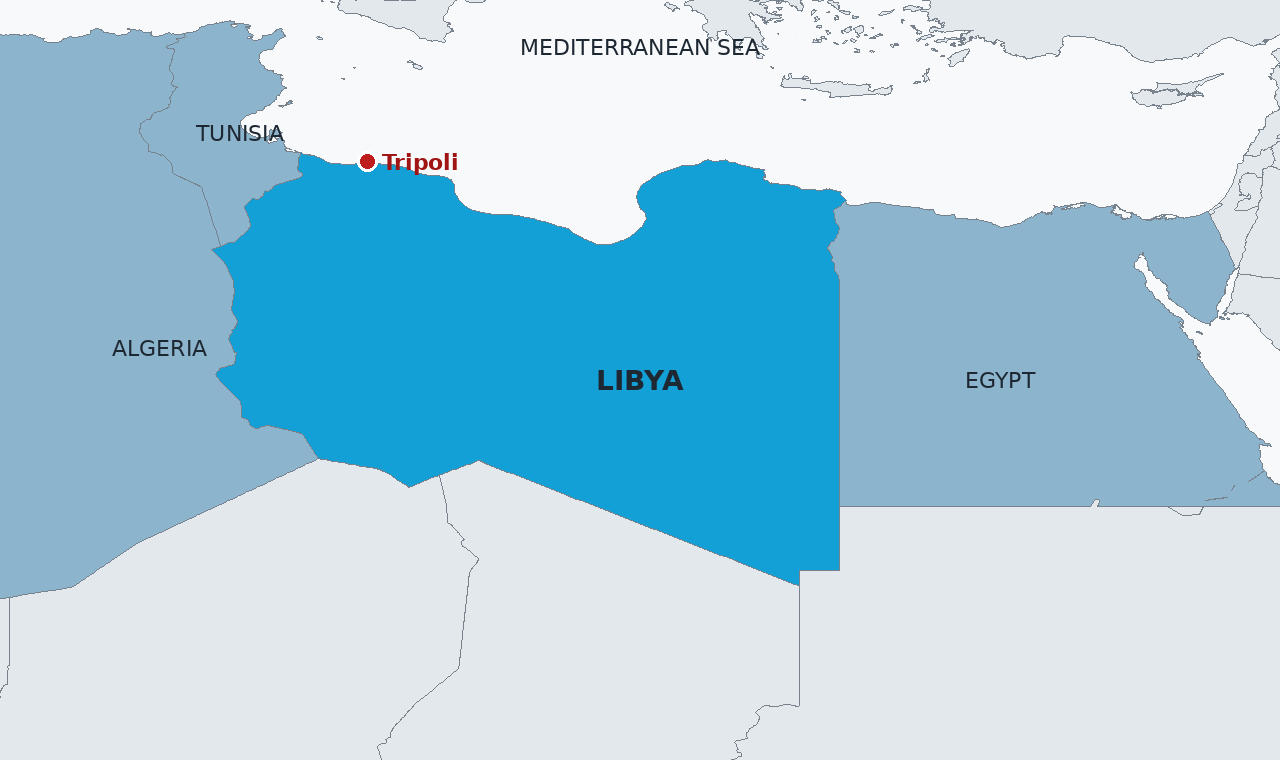
Libya's two rival governments agree on almost nothing, and this weekend they agreed on Donald Trump. The foreign ministry in Tripoli summoned the United States charge d'affaires on Sunday to protest against rally statements by the president that it described as offensive, Reuters reported. At a rally in Perry, Georgia, on Saturday, Trump had called Libya one of the terror-infested countries, naming it alongside Yemen, Haiti and Somalia in an attack on a senator's migration bill, and he asked the crowd whether they remembered the label he used for such countries in his first term. The ministry said it rejected any statements that undermine the dignity of its people or diminish their standing. This is a single wire report built on primary statements, and we are naming it as such: the ministry's protest, the rally remarks and the president's own post are all on the record inside it.
The striking part is who else signed on. Libya's rival administrations in the east and the west both denounced the remarks, rejecting attempts to draw Libya into what they called electoral debates in America. Governments that compete for the right to speak for Libya, and recognise each other as little as they can manage, issued the same objection within the same news cycle. An insult from outside did in a day what years of mediation have not: it gave Tripoli and the east a sentence they could both say.
Washington's answer came in two voices at once. On Truth Social on Sunday night, Trump said the United States was committed to ties with Libya and called its people proud, resilient, hospitable and deserving of peace and prosperity. He said America respects the Libyan people and the sacrifices brave Libyans made fighting ISIS, the common enemy of both peoples. Then the same post turned to the point he was not giving up: Libya cannot remain a corridor for illegal migration, and this must end now. Read side by side, the rally line and the Sunday post are not a claim and a retraction. They are the two halves of one message, delivered to two different audiences.
That second half is why Tripoli cannot simply bank the apology and move on. Libya's coast is one of the main departure points for migrants crossing the Mediterranean, which makes Libyan cooperation something Washington wants and something Libyan governments can trade. A president who praises Libyans on Sunday and demands an end to the migration corridor in the same paragraph is setting up a negotiation, whether he calls it that or not: respect and partnership on offer, with a condition attached that only Libyan authorities on the ground can deliver on.
Our call is that the insult fades and the condition stays. The joint outrage will hold exactly as long as the threat is a speech, because unity against an outsider costs both administrations nothing and pays both in standing at home. It will not survive contact with the actual subject underneath, which is migration, where the east and the west control different stretches of coast and answer to different partners in Europe. Watch what follows the envoy's summons in practice rather than in statements. If Washington wants the corridor closed, it will have to deal with both Libyas at once, and that, not the rally line, is the hard problem this weekend exposed.
The Briefing
The day's world, market and sport, measured and in your inbox before breakfast. One email, no noise, free while we build it.
Subscribe by emailSubscribing opens your email app with a note to [email protected]. We never share your address.