Lagarde is leaving the ECB early, and the race to replace her is really about France
Christine Lagarde will step down as president of the European Central Bank on February 7, 2027, almost nine months before her term ends. She says she wants the freedom to speak beyond monetary policy. The timing lets today's EU leaders choose her successor before a French election that polls say Marine Le Pen could win, and that timing is the story.
Frankfurt, Germany · October 30, 2026
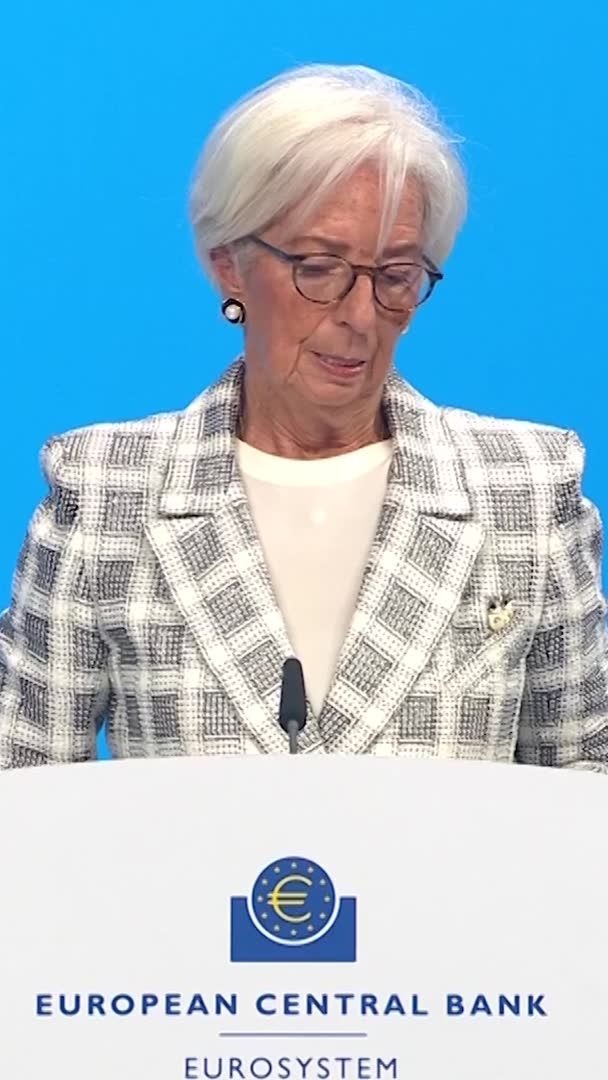
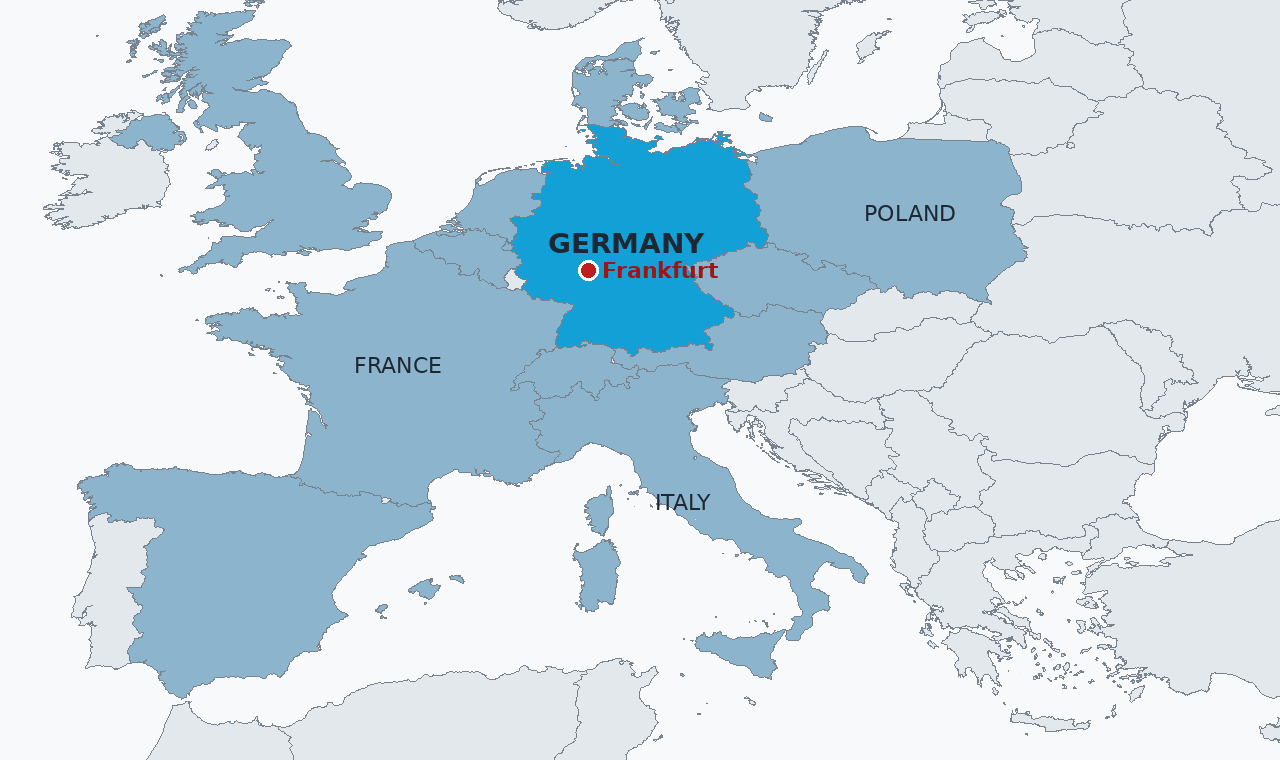
The announcement came attached to an ordinary decision, which made it land harder. On Thursday the European Central Bank held interest rates steady, and then its president told the world she is going. Christine Lagarde informed the Governing Council and European Council President Antonio Costa that she will step down on February 7, 2027, the ECB said in a short statement. Her eight year term was due to run until the end of October 2027, so she is leaving almost nine months early. She had said in June that she would not complete the term, but she had never given the date. Now the date is known, and a succession that was going to happen eventually has become a process that starts immediately: Costa said the appointment process would be launched without delay, under the treaty procedure that ends with the European Council naming the next president.
Her stated reason was disarmingly plain. Lagarde, 70, said she wants the freedom of speech and expression, and the freedom to engage on matters that are not monetary policy matters. Read that as a politician's sentence, because Lagarde has always been one: France's finance minister before she became the first woman to run the International Monetary Fund, and then, from November 2019, the first woman to run the ECB. The central banker's discipline, saying nothing that moves markets beyond the script, has sat on her for seven years through a pandemic, two energy shocks and the worst inflation spike in the euro's history. She is choosing her voice back, and choosing it while she can still decide the terms. Speculation about a next role, with the World Economic Forum named in reporting as a likely destination, has followed her for months and remains speculation.
The calendar underneath the announcement is where the real calculation sits. February 7 falls in the middle of the French presidential campaign: the first round is scheduled for April 18, 2027, with a possible runoff on May 2, and polls currently make Marine Le Pen the favourite. An appointment settled before that campaign decides France's next president is an appointment made by the leaders in office now, including Emmanuel Macron, rather than left as a prize or a problem for whoever wins. Reuters made the point bluntly in its analysis: the next ECB chief matters more for France than for the rates path. The early frontrunners are two former national central bank governors, Klaas Knot of the Netherlands and Pablo Hernandez de Cos of Spain, both credible, both known quantities to the markets, and neither of them French, which is itself part of the package arithmetic that will shape the talks.
None of this means the bank drifts until February. Lagarde chairs two more Governing Council meetings after Thursday's, on December 17 and February 4, and she was at pains to stress continuity, saying she was fully confident in the institution's ability to uphold it. The rates question she leaves behind is genuinely open, with the next moves dependent on data meeting by meeting, and France's own borrowing costs, which passed 5 percent on October 21 for the first time since 2002, are a standing reminder that the euro area's politics and its central bank cannot be kept in separate rooms for long.
Our call is that the successor is chosen as political insurance first and as a monetary policymaker second, and that this is not a criticism but a description of what the job now is. The ECB president who arrives in February 2027 inherits a French election weeks away, a possible Le Pen presidency behind it, and bond markets that have already shown they will test governments that cannot produce a credible budget. Knot and Hernandez de Cos both pass the competence test easily. The deciding question in the capitals will be who can hold the euro area's nerve in a room with a hostile Paris, and who comes as part of a package of top European jobs that every large country can live with. Watch the package, not the shortlist. When board seats and other posts start moving in the same weeks, the name at the top will already have been settled.
The Briefing
The day's world, market and sport, measured and in your inbox before breakfast. One email, no noise, free while we build it.
Subscribe by emailSubscribing opens your email app with a note to [email protected]. We never share your address.