Israel votes in a week, and the polls say nobody wins
The October 27 election is Israel's first since the October 7 attacks. Poll after poll puts Benjamin Netanyahu's bloc and the opposition led by Gadi Eisenkot short of the 61 seats needed to govern, which leaves the smallest parties holding the largest cards.
Jerusalem · October 20, 2026
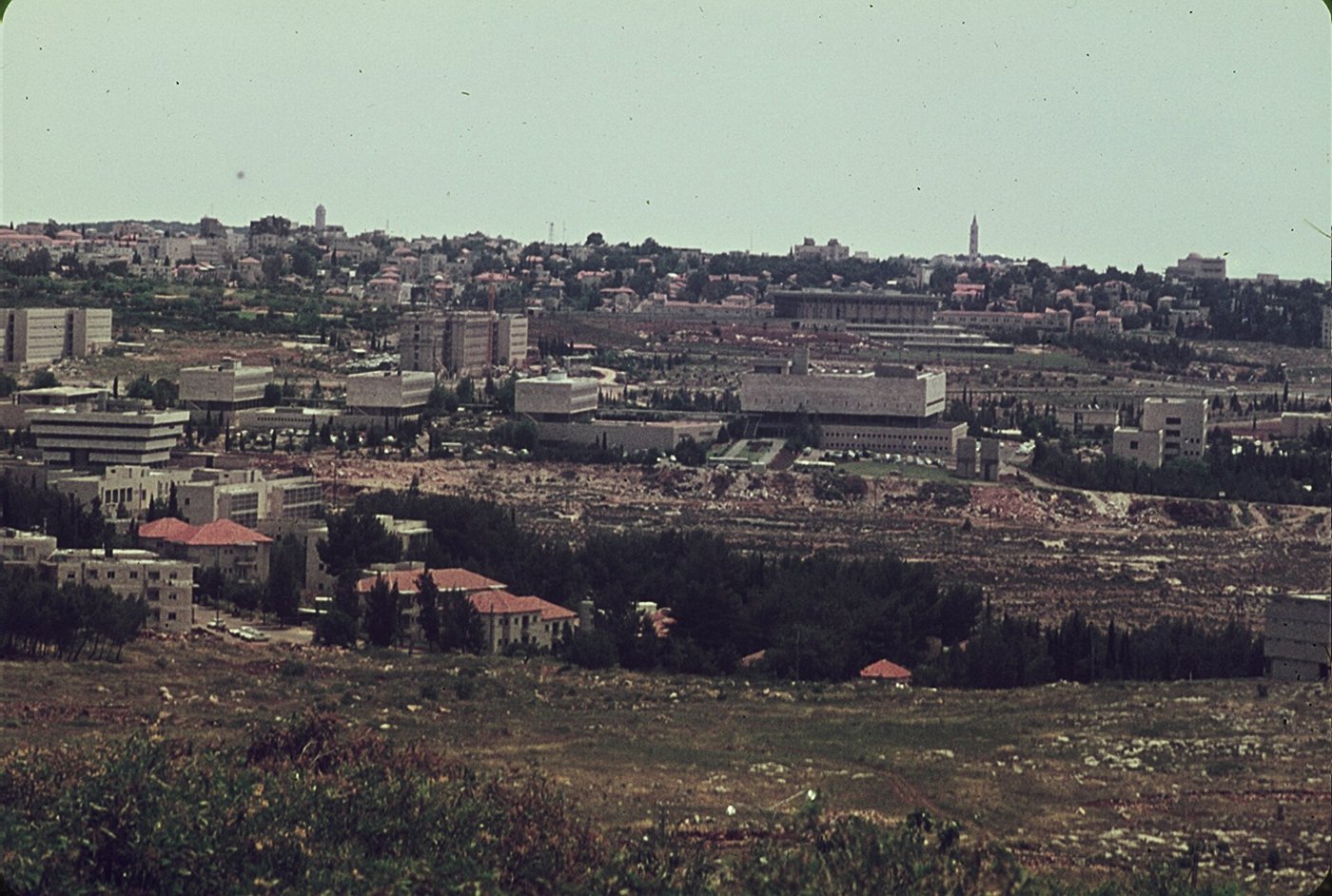
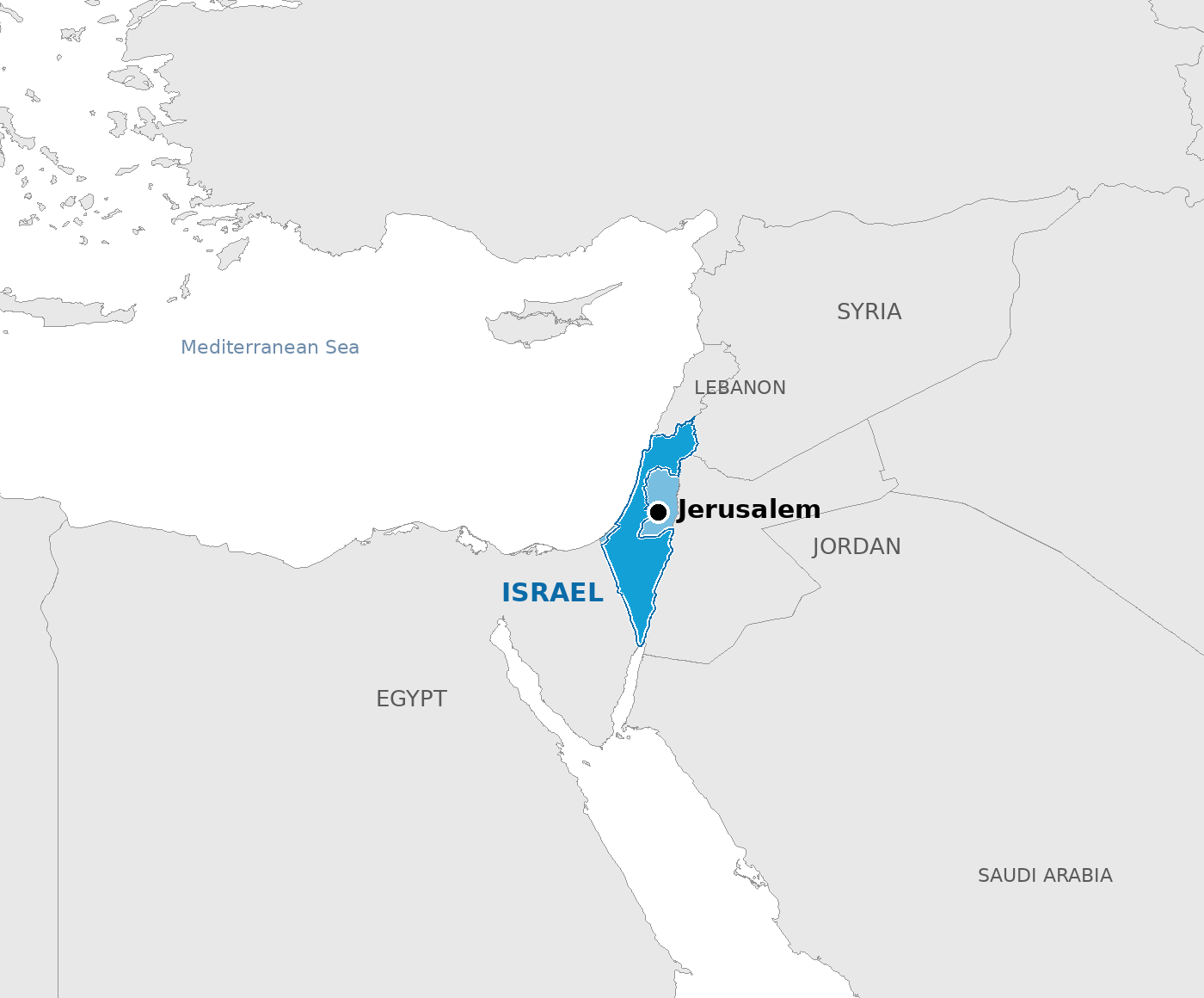
A week from now, Israelis will vote in the country's first election since the October 7 attacks, and the strangest thing about the race is how stable the uncertainty is. Poll after poll, from pollsters who rarely agree on anything, lands in the same place: neither side can govern alone. Reuters Breakingviews, adding up four recent polls, puts Netanyahu's bloc on 49 to 53 seats and the opposition bloc on 50 to 54. The line that matters is 61, the majority in the 120 seat Knesset, and nobody is close to it.
The shape of the race explains the stall. Netanyahu's Likud is on course to lose about a third of the 32 seats it holds, squeezed on its right by Itamar Ben-Gvir's Jewish Power, which polling forecasts at eight seats or more, and challenged at the top of the poll by Yashar, the party of former army chief Gadi Eisenkot, who leads the main opposition bloc. A Walla poll reported by the Jerusalem Post this week had the Netanyahu bloc slipping from 49 seats to 48 while the opposition held at 54, with Yashar on 23 seats to Likud's 19. Other surveys put the two blocs nearer level, and that spread is itself information: the lead changes hands with the pollster, the deadlock does not.
Why neither camp can break through comes down to arithmetic that has ruled Israeli politics for a generation, sharpened by a war. Voters are passing judgement on the government that held power on October 7 and on the conduct of everything since, but distrust of Netanyahu has not converted into trust in a single alternative. It has scattered, across Eisenkot's new party, the older opposition lists and the religious and Arab parties who sit outside both blocs and wait. In a system this fragmented, the election is only the first round. The government gets decided in the bargaining afterwards, where parties polling in single figures can name prices the big blocs cannot refuse.
Where this goes next is a negotiation measured in weeks, not a result measured on the night. If the final polls hold, the president will hand the first mandate to whoever looks closest to 61, and the Arab parties, long treated as untouchable coalition partners by both camps, will hold a balance of power that private promises will be made to reach. Our call is that the deadlock survives election day and Netanyahu's bloc comes up shorter than Eisenkot's, because Likud's ceiling is the war and every late breaking voter has already priced it in. Expect Eisenkot to get the first real attempt at a government, built on an anti-Netanyahu majority that agrees on little else, and expect the price of the last few seats, whoever pays it, to define Israeli politics long after the posters come down.
The Briefing
The day's world, market and sport, measured and in your inbox before breakfast. One email, no noise, free while we build it.
Subscribe by emailSubscribing opens your email app with a note to [email protected]. We never share your address.