Fifty seats and eleven short: Israel votes on nineteen years of Netanyahu
All three final television polls put Benjamin Netanyahu's bloc on exactly 50 seats, with the opposition just ahead of it and 61 needed to govern. He closed his campaign with Donald Trump and the promise of one more move on Iran. Today the voters answer, and tonight the bargaining starts.
Jerusalem · October 27, 2026
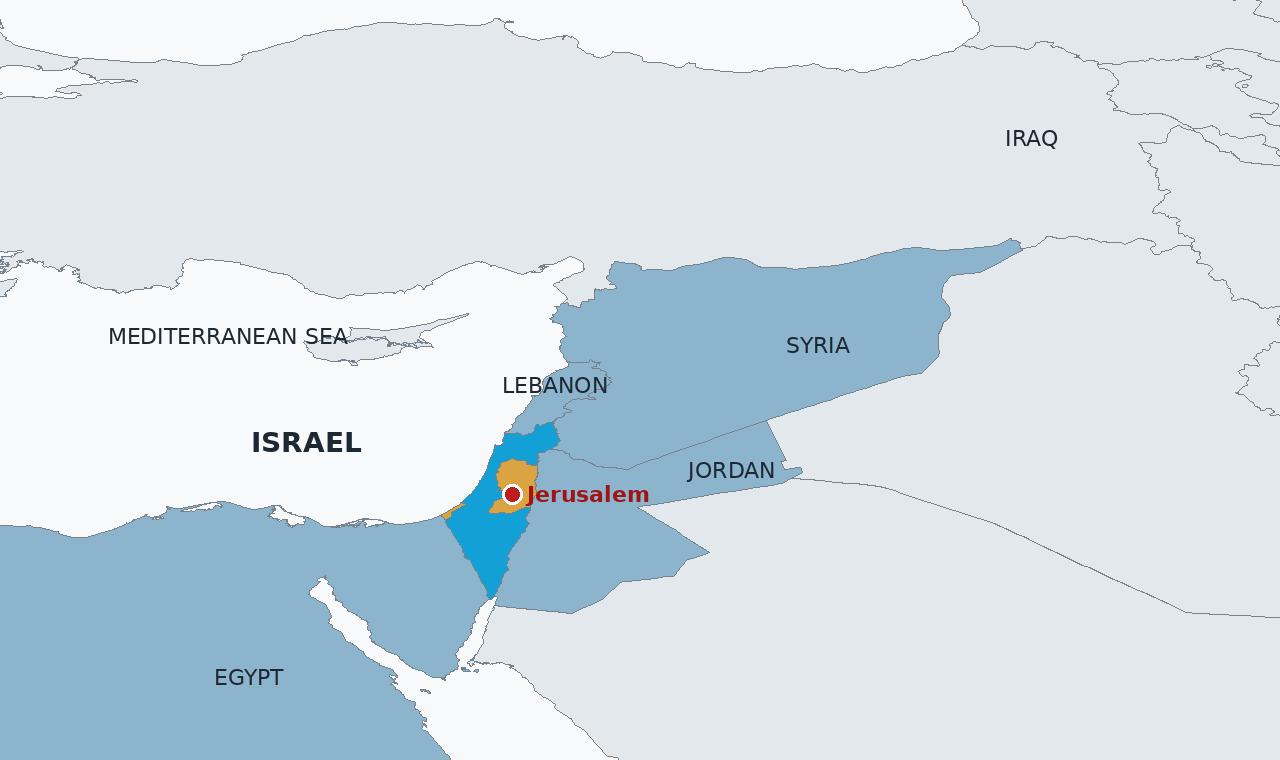
Israelis are voting today in the country's first election since the October 7 attacks, and the man on the ballot in everything but name is the one who has run the country for nineteen years. Polling stations opened at 7 in the morning and close at 10 tonight, when the television exit polls land and the real contest, the one for a coalition, begins. Benjamin Netanyahu is fighting for his political survival after the worst security failure in Israel's history and the wars in Gaza and with Iran that followed it, and the strangest feature of the race is that his defeat, if it comes, may not remove him.
The final polls explain why. The last television surveys, published on Friday by Kan 11, Channel 12 and Channel 13, each put Netanyahu's bloc on exactly 50 seats in the 120 seat Knesset. The opposition bloc scored 52, 56 and 54 in the same three surveys, ahead everywhere and close nowhere, because the line that matters is 61 and nobody is near it. Gadi Eisenkot's Yashar was the largest single party in all three polls, on 22 to 23 seats against Likud's 19 to 21, with Naftali Bennett's B'Yachad third on 14 to 15, and the Arab parties, counted outside both blocs, took another 14 to 16. The one dissenting survey, from the pro-Netanyahu Channel 14, gave his bloc 62 and a majority, which is precisely why the other three agreeing with each other matters more. Underneath the headline numbers sits the machinery that can still scramble them: parties need 3.25 percent of the vote to win any seats at all, about a dozen parties are in range of that line, and every list that falls just under it throws its voters' seats back into the pile.
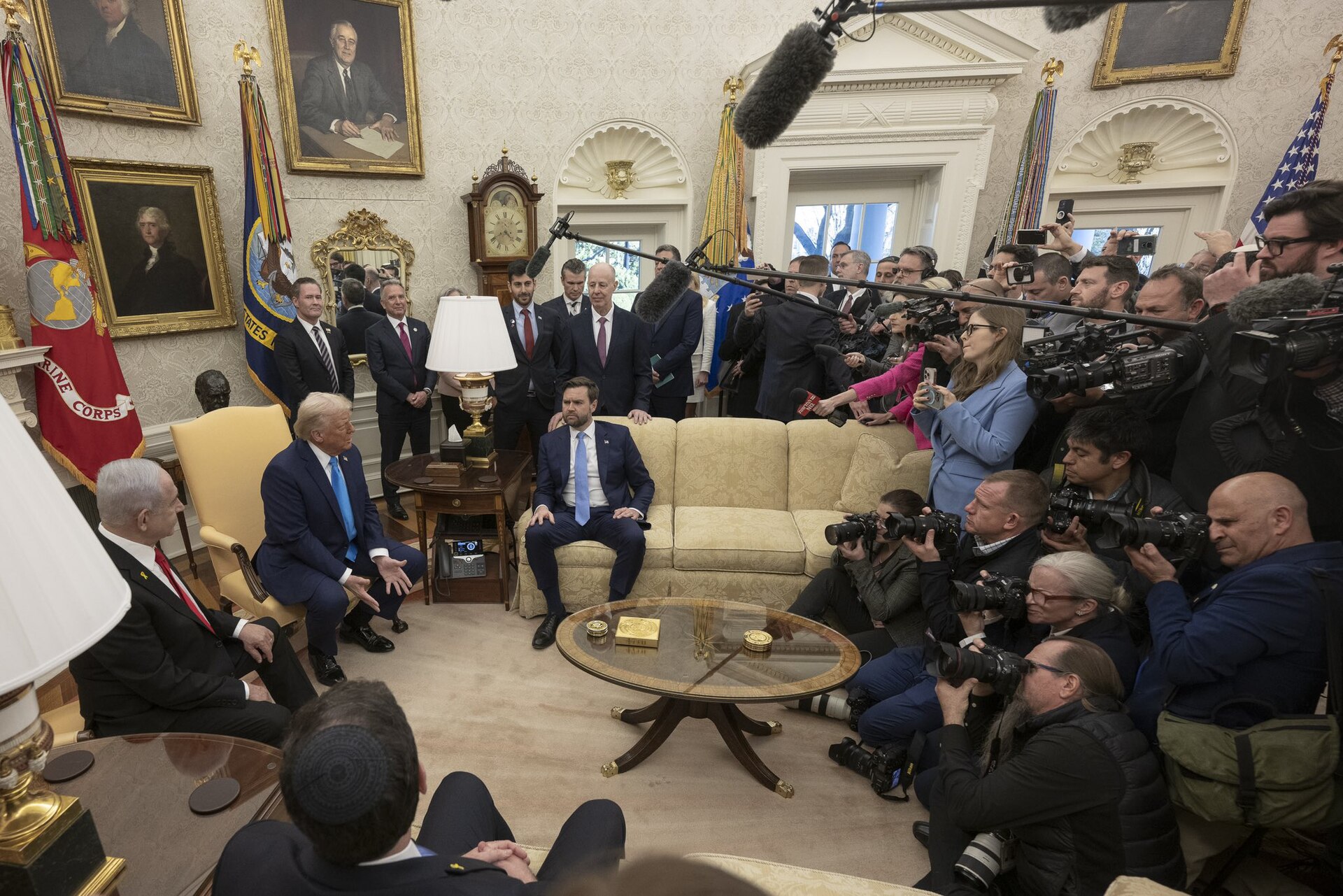
Netanyahu understood the arithmetic early and campaigned over the top of it, selling the one asset no poll can seat: Donald Trump. The American president endorsed him, and on Sunday Netanyahu told voters that Trump was prepared to act again to "finally" remove the Iranian threat, but only if Netanyahu himself remained in power. Trump made the same point in his own words the same day: "Vote for Bibi Netanyahu for Prime Minister, we have to finish the job that we started!" It is a closing argument with no domestic answer, because it prices the alliance itself as a reason to keep the man. Eisenkot, the former military chief who lost a son and two nephews fighting in Gaza, called the campaign one of "fear-mongering, lies and threats" and answered the Trump card directly, saying he was confident the president would work "in full cooperation with any leader chosen by the people."
Nobody should mistake Eisenkot for a dove while they weigh that exchange. He opposes Palestinian statehood, he says Hamas's military wing must be destroyed or dismantled, and on the questions that decide the region's next year, Iran above all, the two camps are promising versions of the same pressure. What is actually being decided today is who Israel trusts to carry that pressure after October 7, the leader who held power when the border broke or the general who spent the war inside the machine and then walked out of the government. The wars do not pause for the count either way.
So tonight is a beginning dressed as an ending. The exit polls at 10 will crown a larger bloc, the final tally is expected by October 30 and the official results are published on November 4, and then the president hands the first attempt at a government to whoever looks best placed to build one. That candidate gets up to 42 days. If the attempt fails, and the next one fails too, Israel votes again, and in the meantime the present cabinet simply stays on as caretaker, which means Netanyahu stays on as caretaker, the very outcome his opponents have spent the campaign trying to prevent.
Our call is that Netanyahu does not need to win this election to survive it, and the final polls describe a country arranging exactly that survival. He needs 61 people to fail to agree, and an opposition that leads him by two to six seats while depending on parties it has spent the campaign keeping at arm's length is a machine for failing to agree. Expect the exit polls to make Eisenkot's bloc the story of the night and a mandate to follow, and expect the mandate to be worth less than it looks, because a mandate is only an attempt. The caretaker rule is the trap built into the system: power never sits empty waiting for a winner, it reverts by default to the incumbent, and every week of failed bargaining is a week in which the verdict the voters tried to deliver gets quietly postponed. Israel may well wake up tomorrow having voted, narrowly, to end the Netanyahu era, and find him still in the chair, governing on borrowed time that the constitution of the deadlock keeps renewing.
The Briefing
The day's world, market and sport, measured and in your inbox before breakfast. One email, no noise, free while we build it.
Subscribe by emailSubscribing opens your email app with a note to [email protected]. We never share your address.