Declared dead on paper: India's Gen Z takes the fight over the voter rolls to the street
About 130 million names have been struck from India's electoral rolls in a vast revision exercise. A youth movement that began as satire is now demanding the election chief resign, and on Wednesday a Delhi court ordered two of its jailed leaders freed.
New Delhi, India · October 21, 2026
Kamta Prasad has spent his recent days walking between government offices in Delhi trying to prove he is not dead. The 53 year old tailor is alive, obviously, and working, but on the draft electoral roll published on August 31 his name sits among the removed, one of about 4.2 million Delhi voters struck off in a revision that has cut far deeper than one city. Across India, about 130 million names have been removed or flagged since the Election Commission began its Special Intensive Revision last year, a figure larger than the population of Japan. Prasad has had to give up his daily wage to chase the paperwork that would put him back, and he is the human version of an argument that has now filled the streets of the capital: a cleanup of the rolls is one thing, but what happens to the real voters swept up inside it?
The movement carrying that argument calls itself the Cockroach Janta Party. It began as online satire after India's chief justice likened some unemployed young people to cockroaches, and it has grown, improbably, into what analysts quoted by Reuters describe as the biggest street challenge Prime Minister Narendra Modi has faced in his twelve years in power. Its demand is specific and personal: Chief Election Commissioner Gyanesh Kumar should resign. Protesters and opposition parties say the revision favours Modi's Bharatiya Janata Party and falls hardest on the poor, on migrants and on minorities, including Muslims, the voters least likely to be found at home when an official calls and least equipped to fight a deletion afterwards. The Commission's own numbers explain the scale without settling the argument. Of the names removed, about 63 million were recorded as relocated and 30 million as untraceable, with the rest classed as deceased, duplicate or otherwise ineligible. The Commission says that is exactly what a revision is for, that differing views inside the building are normal, and that anyone wrongly removed can re-enrol or appeal. The BJP says its rivals are inventing a scandal out of routine housekeeping and trying to undermine democracy itself.
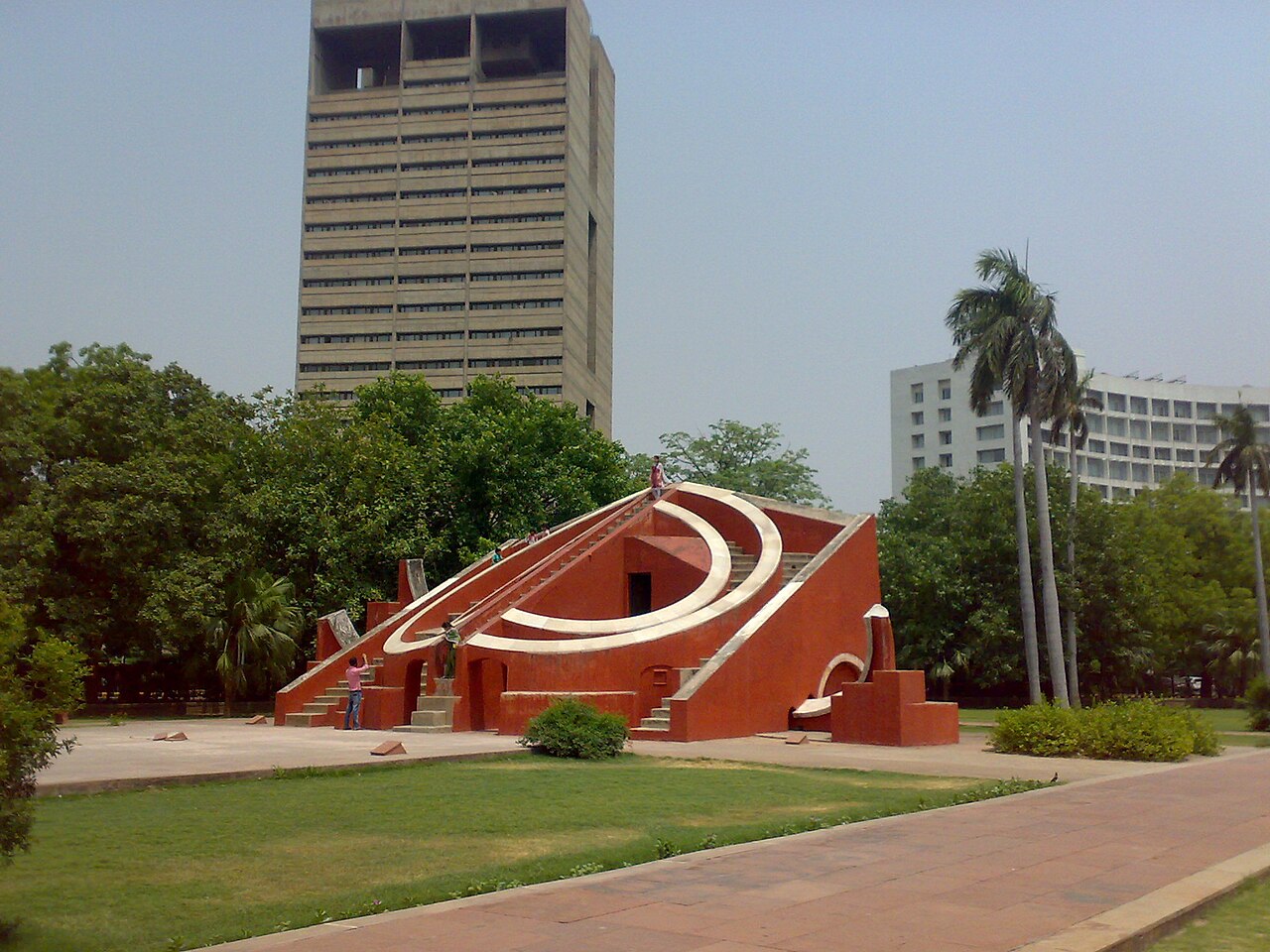
What turned a bureaucratic exercise into a confrontation was a leak. In late September the Indian Express reported that Kumar's two fellow commissioners had formally raised concerns at least 14 times over the preceding months about how the revision was being run, and anger that might have stayed inside opposition parties found a younger, louder carrier. The Cockroach Janta Party had form: an earlier campaign over leaked exam papers helped force an education minister's resignation, and its organisers know how to turn a grievance into a gathering. Delhi's answer, when the movement called its big rally at the Jantar Mantar grounds on October 10, was to shut the city centre down first. Dozens of metro stations closed, more than 250 trains were cancelled, mobile internet was suspended across central Delhi and tens of thousands of police and paramilitary officers were deployed. The party's founder, Abhijeet Dipke, and senior leaders Saurav Das and Ashutosh Ranka were detained as their flight from Mumbai landed, and Reuters put the day's detentions at more than 2,000. Three days later Das and Ranka were among fourteen protesters who climbed the barricades at Jantar Mantar, a day after the site was struck from the list of designated protest venues. A court sent them to prison for five days, then extended the stay by two more on Monday.
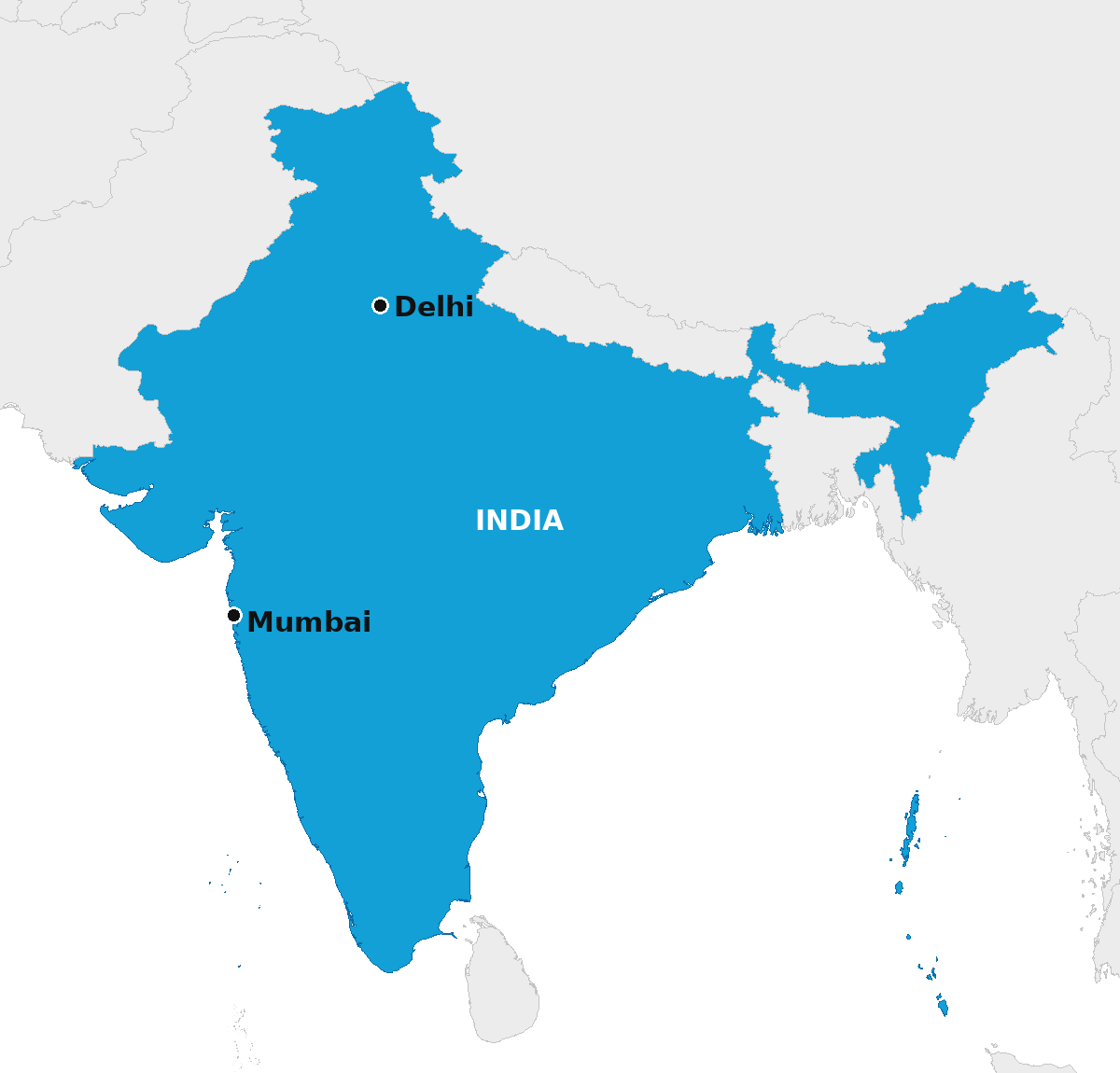
On Wednesday, a Delhi court ordered Das and Ranka released, and that small legal fact tells you where the pressure now sits. The state can clear a square in a morning, but every detention has produced a court date, a headline and a fresh reason to march, and the movement has spread beyond the capital, with rallies in Mumbai and demonstrations reported across the country. Two dozen independent United Nations experts added their weight on Tuesday, calling for an independent investigation into the handling of the protests and an end to blanket assembly bans and internet shutdowns, criticism India has dismissed as interference. Underneath the noise sits the arithmetic that makes this more than a season of protest. People under thirty make up nearly a quarter of India's roughly one billion voters, most of them have never known another prime minister, and the next general election is not due until 2029. The government is stable and in no danger of falling. What is being contested is not power this year. It is the list that decides who gets a say in 2029, and who has to prove they exist before they are allowed one. As the activist Yogendra Yadav put it to Reuters, "the nation has suddenly found its voice."
Our call is that Kumar will not resign, and the street is aiming at the wrong door if it expects him to. India's Supreme Court upheld the Commission's power to run this revision back in May, the Commission can point to a claims and appeals process that is still open, and no government hands a protest movement the head of a constitutional body over an exercise the courts have blessed. The real fight is quieter and it has a deadline: whether re-enrolment keeps pace with deletion before the final rolls are published. Watch the restoration numbers, not the rally sizes. If the Commission answers with extended deadlines and publishes large, credible counts of voters put back on the list, the movement loses its best evidence and shrinks back towards the satire it started as. If the final rolls still leave large numbers of the poor, migrants and young voters outside, the argument moves from the street into the courts and then into the 2029 campaign itself, carried by a generation that has just learned, organising against a voter list, how to organise around everything else.
The Briefing
The day's world, market and sport, measured and in your inbox before breakfast. One email, no noise, free while we build it.
Subscribe by emailSubscribing opens your email app with a note to [email protected]. We never share your address.