They came to Atlanta to talk trade. The wars came with them.
The United States hosts the G20 foreign ministers on October 30 and 31 with an agenda built around trade imbalances, energy and critical minerals. Deep rifts over Ukraine and the Middle East are expected to block any unified statement, Russia's foreign minister is in the room, and South Africa was not invited at all.
Atlanta, United States · October 30, 2026
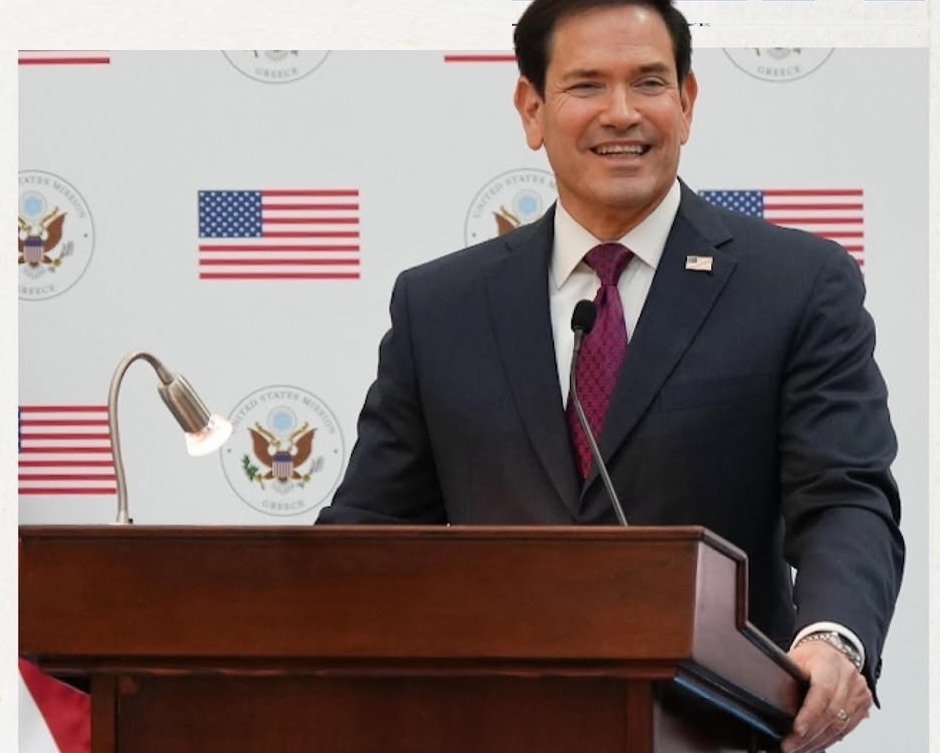
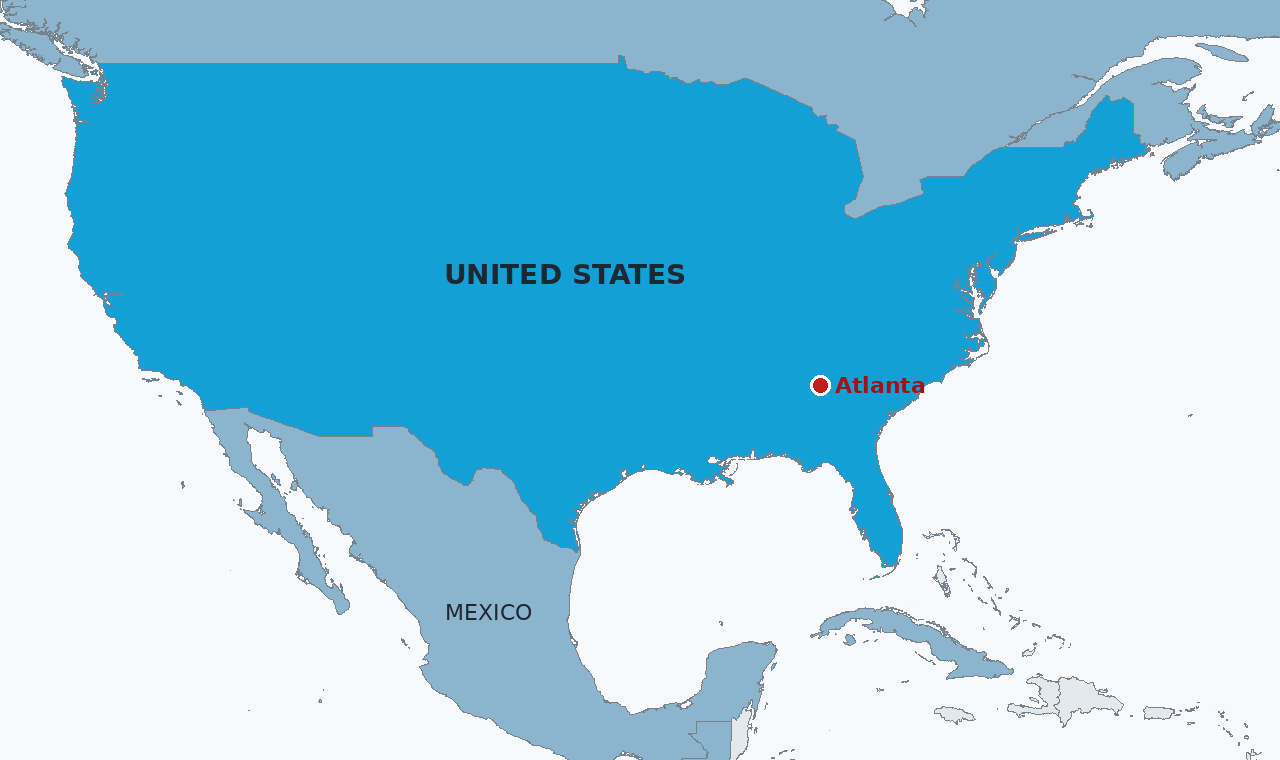
The seating plan told the story before anyone sat down. Foreign ministers from the world's 20 largest economies gather in Atlanta on Friday and Saturday, October 30 and 31, at a meeting the United States is hosting as this year's holder of the rotating G20 presidency. Washington's plan for the two days was tidy enough: trade imbalances, energy, supply chains and a coalition to counter China's control of critical minerals. The wars in Ukraine and the Middle East had other plans, and diplomats and experts told Reuters the rifts over both are likely to derail any unified action or statement coming out of the room.
Start with who is in the room and who is not. Russian Foreign Minister Sergei Lavrov is attending, which already has European officials floating an awkward workaround for the traditional family photograph: two pictures, one with Lavrov and one without. South Africa, a G20 member, was not invited to the ministerial at all. Ukraine was not invited either, even as President Trump pushes hard for a ceasefire in Russia's war there. A host can set an agenda, but a guest list like that sets a tone of its own, and the tone is that this G20 is being run as a coalition of the willing rather than a table where everyone still sits.
The American ask underneath the agenda is specific. Secretary of State Marco Rubio, who hosts the gathering, has championed Pax Silica, an initiative aimed at uniting G20 countries concerned about China's dominance in rare earths and other critical minerals. A State Department official told reporters on Thursday that the Atlanta meeting would focus on energy and supply chain challenges, described as crucial to the development of artificial intelligence, and said four G20 ministerial meetings held this year had reached some consensus, with more work needed before the leaders summit in Miami on December 14 to 16. The Quad, the grouping of the United States, India, Japan and Australia, also meets in Atlanta in the coming days, which underlines where Washington thinks the real alignment work happens.
For most of the other members, though, the wars are not a distraction from the agenda. They are the agenda, because the wars are what is moving their energy bills and food prices. That gap between the host's list and everyone else's costs is why a joint statement looks out of reach. There is a recent precedent for how this ends: when consensus failed at an earlier meeting this year, the result was a narrower US led statement on excess industrial capacity that only some G20 trade ministers signed. A statement signed by some of the room is not nothing, but it is not a G20 position either, and everyone in Atlanta knows the difference.
Our call is that Atlanta produces exactly that pattern, a host's statement with a partial signature list, and that the absence of a unified text is the honest outcome rather than a failure of drafting. The G20 was built for a world where the largest economies could still agree on the problem even when they argued about the answer. On Ukraine and the Middle East they no longer agree on the problem, and no communique language can paper over a guest list that excludes one member while seating a minister whose government half the room is sanctioning. Watch the signature list, not the wording. If the Pax Silica and critical minerals language gathers names beyond Washington's usual partners, the coalition strategy is working. If it does not, Miami in December will be a summit photographed carefully and agreed in advance to say very little.
The Briefing
The day's world, market and sport, measured and in your inbox before breakfast. One email, no noise, free while we build it.
Subscribe by emailSubscribing opens your email app with a note to [email protected]. We never share your address.