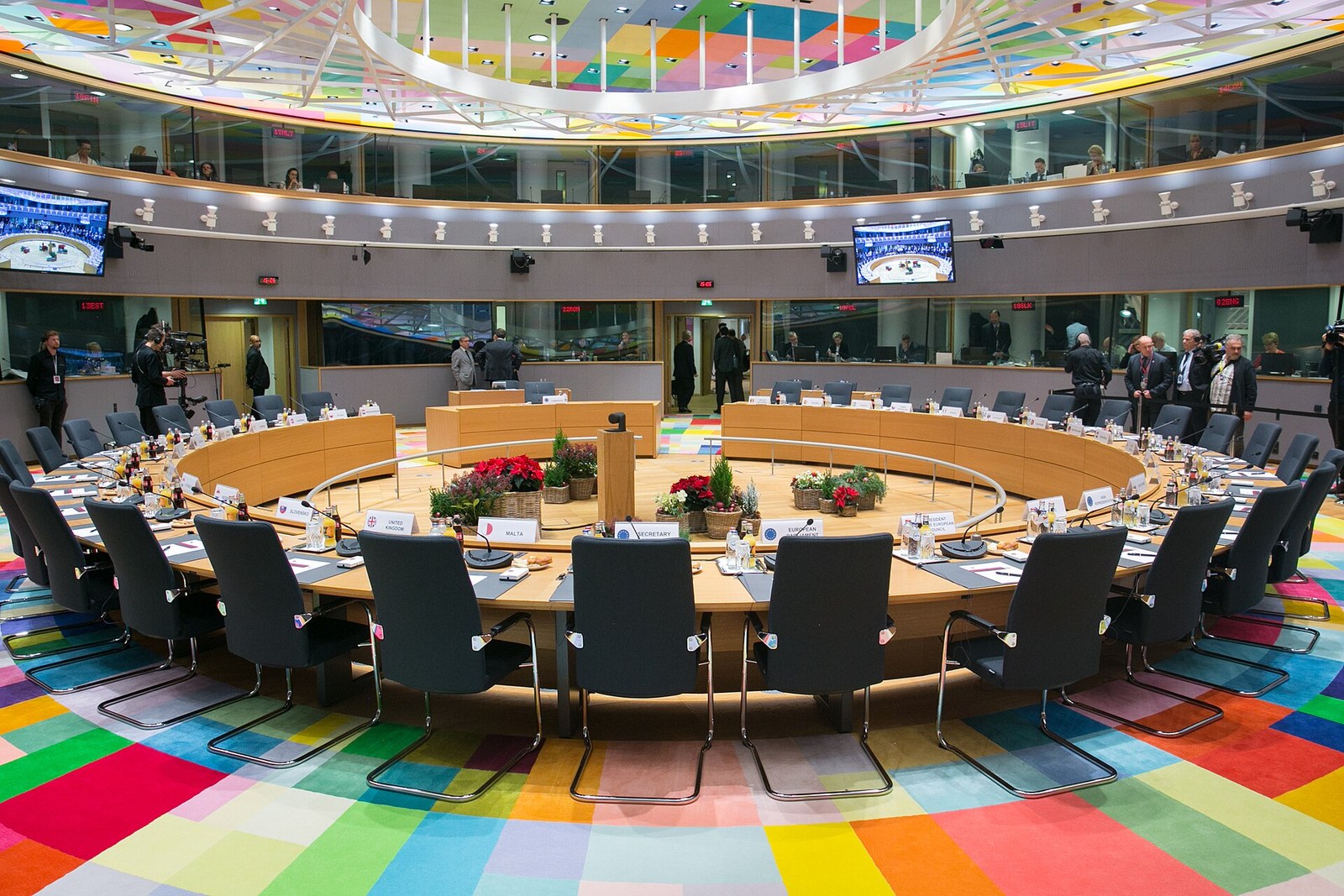
One long table in Brussels, and the decisions Europe can no longer put off
The leaders arrived with the same agenda they left with last time: Ukraine, energy, and who pays. What has changed is how little room is left to keep deferring the answers.
Brussels, Belgium · October 18, 2026
The region, on the map
Brussels, Belgium, pinned where this story happened, with every other place-led Indeks story.
See it on The Indeks MapTwo days of talks in Brussels ended the way these summits increasingly end, with the argument still open. Ukraine's president Volodymyr Zelenskyy came asking for roughly €70 billion to cover his country's 2027 deficit, and the 27 leaders left without agreeing to provide it. Everyone at the table says Ukraine must be funded. Nobody at the table wants to be the one who pays first.
The arithmetic is the problem. The €90 billion loan agreed last year was meant to cover both 2026 and 2027, and it no longer stretches that far. This week €2.86 billion from that loan was transferred for drones and air defence: real money, but not new money, and nowhere near €70 billion. Kyiv is doing the maths too, which is why the ask keeps getting bigger and louder.
The politics ran alongside the money. Donald Trump called Ukraine's strikes on Russian refineries a “disgrace” and demanded new elections in Kyiv. European leaders closed ranks behind Zelenskyy and condemned Trump's diesel deal with Vladimir Putin, with Bulgaria's prime minister the lone voice backing it. The transatlantic argument is no longer background noise at these summits; increasingly, it is the summit.
Everything else piled up unresolved: clashes over energy prices and migration, and still no agreement on the long-term budget running to 2034. The one deal reached was to push ahead with new trade-defence tools aimed at China, the single subject where 27 governments with 27 different problems can still agree on the villain.
On the money itself, the European Commission has been tasked with studying the options, from frozen Russian assets to a new European loan, and leaders will return to the question at a special summit on November 26. That is the pattern to watch: Brussels rarely says no to Kyiv, but it has learned to say later. Zelenskyy got his applause. He is still waiting for the cheque.
The Briefing
The day's world, market and sport, measured and in your inbox before breakfast. One email, no noise, free while we build it.
Subscribe by emailSubscribing opens your email app with a note to [email protected]. We never share your address.