Cairo said yes: Egypt's parliament clears Sisi to defend Saudi Arabia
Behind closed doors on Monday, at least two thirds of Egypt's MPs authorised President Sisi to take all necessary measures to defend Saudi Arabia if Riyadh asks. The permission has a hard edge: defend the kingdom's borders, and no attacks inside Yemen.
Cairo, Egypt · October 26, 2026
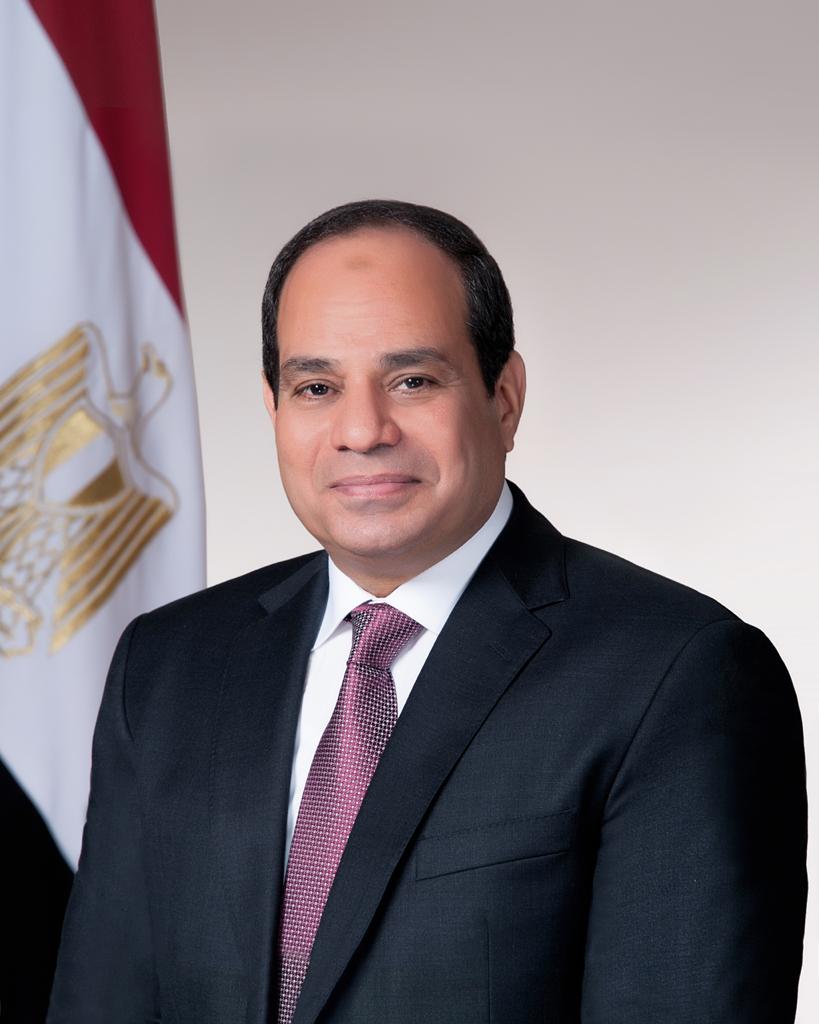
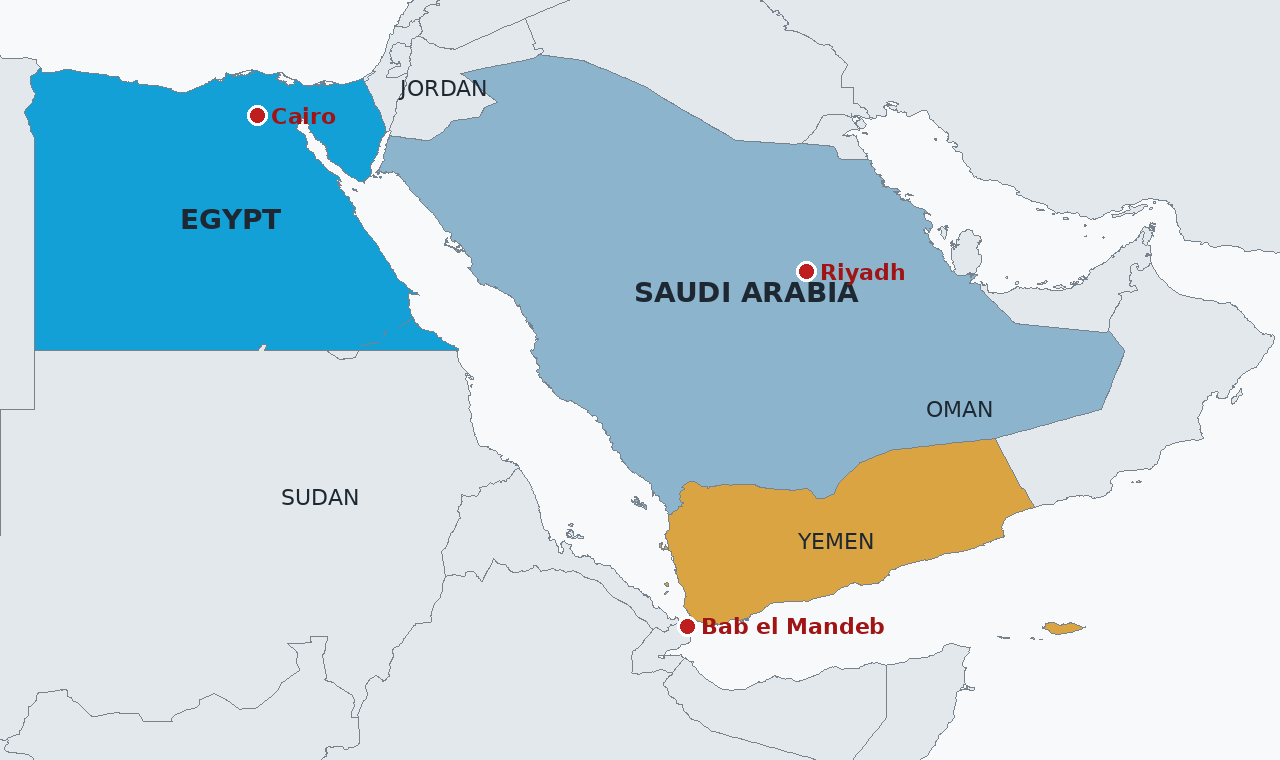
The vote happened behind closed doors, and the tally was never published, but the result was never really in doubt. Egypt's parliament on Monday authorised President Abdel Fattah el-Sisi to take "all necessary measures" to help Saudi Arabia defend itself, with at least two thirds of the chamber backing the measure, according to the official parliamentary statement reported by Reuters. The authorisation only fires if Riyadh asks for help, and no formal Saudi request for Egyptian troops has been announced. Taher al-Khouly, deputy head of parliament's legislative committee, told Reuters that Egypt would send forces to Saudi Arabia in coordination between the two countries and at Saudi Arabia's request.
Cairo is answering a campaign, not a single strike. The Houthis in Yemen have reached deep into the kingdom in recent weeks: the October 10 attack on Riyadh's King Khalid International Airport killed at least a dozen people, and the fire has kept coming since. On Monday the Houthis claimed a ballistic missile at the same airport and drone strikes on pumping stations along the East-West crude pipeline, and on Saturday they claimed strikes on the Rabigh refinery and an Aramco facility in Yanbu. Riyadh had not confirmed the damage from those claims, and the Saudi led coalition said it had destroyed two ballistic missile launchers in Sanaa and hit missile storage tunnels and more launchers in response. The pattern matters more than any one claim. Saudi air defence is being tested on a rhythm, not a one off.
The permission Cairo granted has a line drawn through it. In a letter delivered to Crown Prince Mohammed bin Salman, Sisi set out that Egyptian support is limited to defending Saudi territory and borders, and excludes attacks on Yemeni territory. Sisi said the same in public on October 21: the intention is to defend the kingdom, not to strike Yemen. What the help would look like in practice was described to the Associated Press by a regional official briefed on the talks: air defence systems and aircraft intercepting missiles and drones over Saudi soil, with no ground troops in Yemen planned. Nobody has announced a troop number, a price tag or a duration, and inside Egypt the gaps drew a response. The Civil Democratic Movement rejected involvement and urged a mediation role instead, while the Egyptian Social Democratic Party told its MPs to abstain, citing a lack of information on the mission's aims, duration and cost.
The money explains part of the urgency, and the geography explains the rest. Saudi Arabia holds a $5.3 billion deposit at Egypt's central bank that falls due this month, with $267.39 million in interest on top, and Riyadh supplies Egypt with billions more in aid, deposits and energy. At the same time, the Houthis sit on the Bab el Mandeb, the southern gateway to the Red Sea and the Suez Canal, and Egypt's foreign minister Badr Abdelatty says the attacks on shipping since 2023 have cost the canal about $11 billion in revenue. Cairo is not a member of the defence pact Saudi Arabia signed with Pakistan and Turkey in August, though Abdelatty says membership is under serious consideration. Washington, for its part, has offered intelligence sharing and targeting help but has not agreed to strike the Houthis itself. The Houthis have already answered Cairo's move, warning that Egyptian involvement would pose a grave threat to Egypt's own security and stability.
Our call is that this authorisation gets used, but only in the air, and only over Saudi soil. The vote gives Sisi the legal cover the constitution requires, a two thirds majority for a combat mission abroad, and it gives Riyadh a second layer of air defence it can call on the next time the airport is targeted. What it does not give anyone is an Egyptian army in Yemen, because Sisi has written that limit into a letter to the crown prince and repeated it on camera, and breaking it would hand the Houthis exactly the wider war they are warning Cairo about. The deposit falling due this month makes refusal expensive for Egypt; the Suez losses make the Houthi campaign a direct Egyptian problem rather than a Saudi one. Watch for a formal Saudi request, because that is the moment the shield Cairo offered on October 18 and parliament approved on October 26 stops being a signal and becomes a deployment. Until it lands, the message is the weapon: the Houthis now have to plan for Egyptian radars and jets in the sky they have been shooting through.
The Briefing
The day's world, market and sport, measured and in your inbox before breakfast. One email, no noise, free while we build it.
Subscribe by emailSubscribing opens your email app with a note to [email protected]. We never share your address.