Tech / Artificial Intelligence
OpenAI is buying chips from its rival
OpenAI plans to buy Google's AI chips outright, according to The Information via Reuters, after renting them since 2025 and putting its frontier models on Google Cloud. No terms were disclosed, and neither company would comment.
San Francisco, United States · October 28, 2026
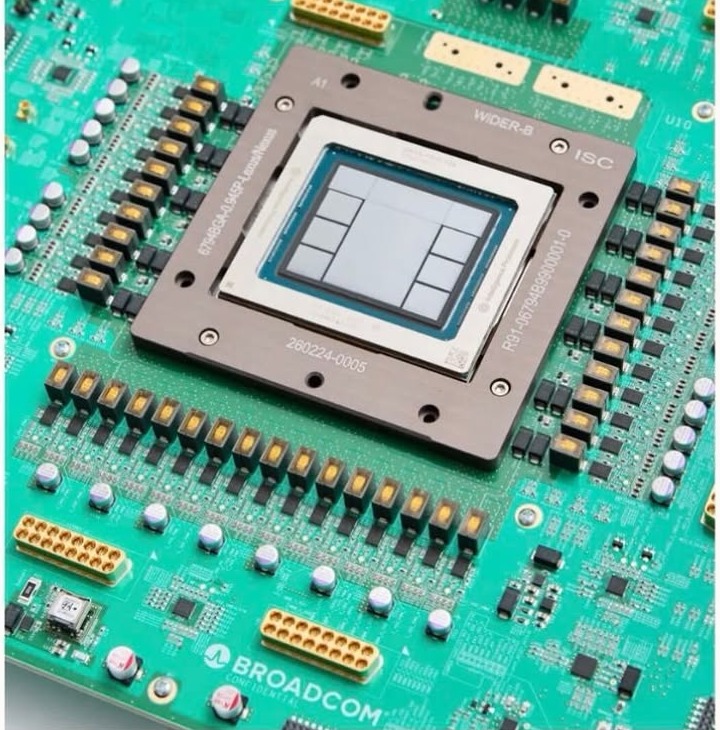
The strangest partnerships in AI keep being between the companies competing hardest. OpenAI plans to buy Google's artificial intelligence chips, The Information reported on Tuesday, citing a person familiar with the matter. The two companies compete directly in AI products and in search, the business Google built itself on. No financial terms or other details were disclosed. Google did not immediately respond to a request for comment outside regular business hours, and OpenAI declined to comment, which in deals of this size usually means the reporting is right and the paperwork is not ready.
This is a deepening, not a beginning. Reuters reported in June 2025 that OpenAI had begun renting Google's AI chips, and last week OpenAI agreed to sell its frontier models through Google Cloud, an arrangement Google Cloud's chief executive has described as an open platform welcoming any model. Renting a rival's chips is a capacity decision. Buying them outright is a commitment, the kind a company makes when it expects to need the hardware for years and wants the supply secured rather than negotiated quarter by quarter.
Why Google's chips are the ones worth buying comes down to the shape of the market Nvidia built. OpenAI is one of the largest buyers of Nvidia's graphics processing units, which it uses to train models and run inference, the work of answering users. Google's Tensor Processing Units, or TPUs, have gained ground as the main alternative: cheaper for some work, and suited to running finished models at scale. Google began selling TPUs directly to some customers this year, turning hardware it built for itself into a product other AI companies can build on, including its most direct rival.
The money around the deal explains the urgency on both sides. Amazon, Microsoft and Alphabet plan as much as 600 billion dollars of combined spending on AI infrastructure this year, and every large buyer is hunting for capacity that does not depend on a single supplier's production line. For OpenAI, a second chip source is insurance against Nvidia shortages and pricing power. For Google, selling TPUs to OpenAI does two things at once: it proves the chips outside Google's own walls, in the week Alphabet reports quarterly results with investors watching whether its AI spending is driving cloud growth, and it makes a competitor partly dependent on Google hardware.
Our call is that this deal marks the point where the AI race stops being a set of separate stacks and becomes a web. The frontier labs will keep competing on models, and the platform companies will keep competing on cloud, but underneath both contests the same few chip designs, data centres and power contracts are being shared, rented and sold between the rivals themselves. That makes the industry harder to disrupt and harder to regulate, because the company you would break up for dominance in one layer is a supplier in the next. Watch Alphabet's results on Wednesday for the first official hint of TPU sales scale. If Google starts reporting chip revenue as a line worth naming, Nvidia has a real second front, and it is being supplied by a search company selling to a chatbot company.
The Briefing
The day's world, market and sport, measured and in your inbox before breakfast. One email, no noise, free while we build it.
Subscribe by emailSubscribing opens your email app with a note to [email protected]. We never share your address.