Tech / Artificial Intelligence
Microsoft is paying people to leave while it spends 175 billion dollars on the machines
About 60,000 Microsoft employees, more than a quarter of the workforce, have been offered voluntary buyouts, in the second such programme this year. The company calls it a choice. Its capital spending forecast for 2026 explains why the choice is being offered now, and results on Wednesday will test the trade.
Redmond · October 27, 2026
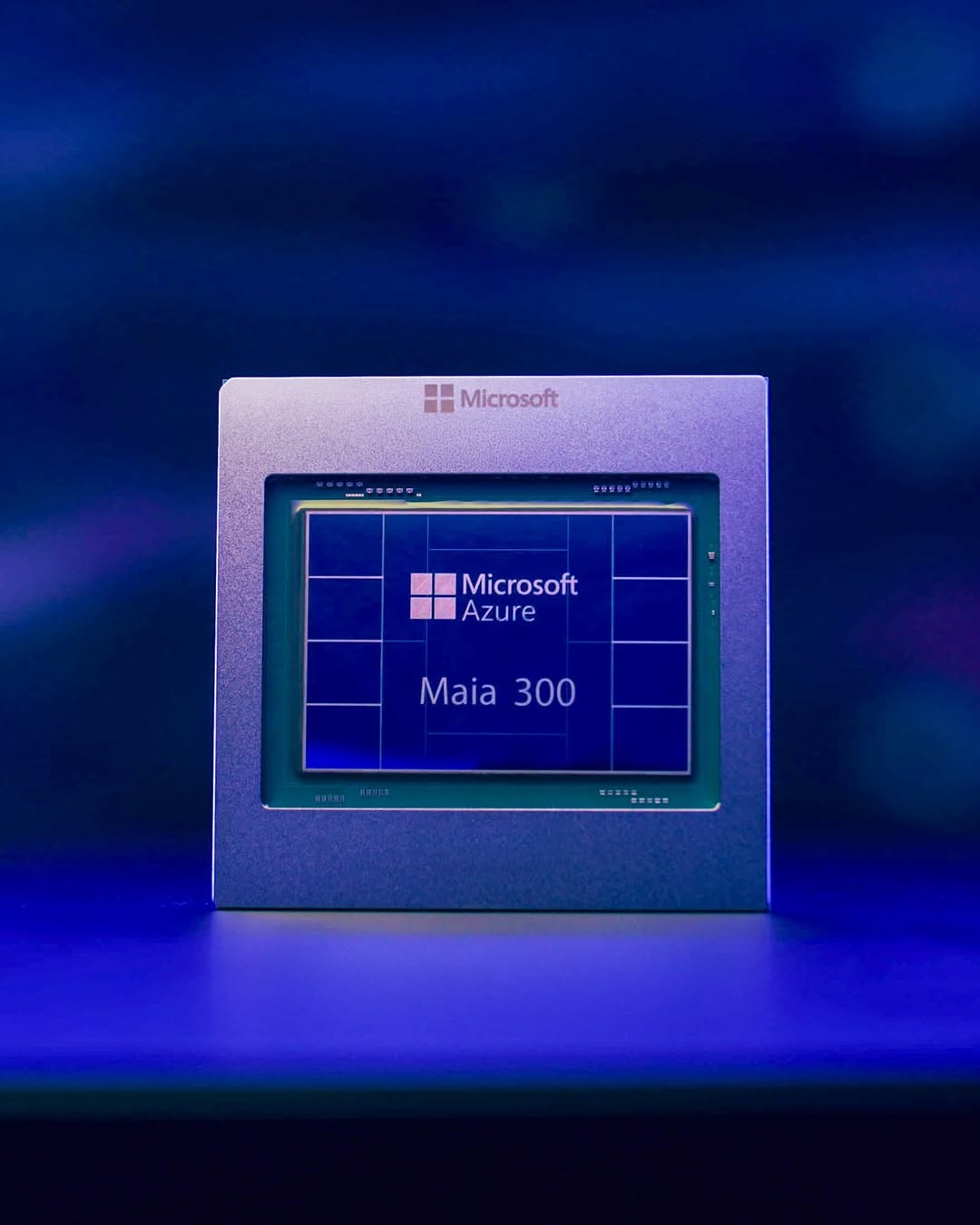
The email reached a quarter of the company on Monday. Microsoft is offering voluntary buyouts to about 60,000 employees out of a global workforce of 223,000, across the United States, Canada, the United Kingdom and India, at level 70 and below. The offer runs through teams that build the products the company is famous for, AI experiences, Copilot, finance, human resources, Xbox and Windows, while marketing, the commercial business and security are excluded. Chief people officer Amy Coleman framed it gently in her memo: the offer gives employees who may be considering a future outside the company a new choice to make that transition now, with support. The programme was first reported by Business Insider and confirmed by Reuters.
Nobody offers a quarter of a workforce the door gently without a large number standing behind them, and Microsoft's number is 175 billion dollars, its forecast capital expenditure for the 2026 calendar year, most of it data centres and chips for artificial intelligence. Finance chief Amy Hood set that figure on an earnings call in July, and investors have been circling it ever since, asking the question that hangs over every big tech balance sheet this year: when do the returns arrive to justify the spend. A voluntary programme is the softest tool available for the other side of that equation. It cuts cost without a layoff headline, it lets the company shape who stays by choosing which teams are eligible, and it spreads the departures over months instead of a single brutal week.
It is also, notably, the second time this year Microsoft has reached for it. An earlier programme covered about 9,000 employees, roughly seven percent of the American workforce, and in July the company cut 4,800 jobs outright in a restructuring of its Xbox business that included plans to divest up to five studios. The workforce itself tells the direction of travel: 223,000 people at the end of June, down from 228,000 at the end of 2025, shrinking by attrition and offer while the capital budget grows by tens of billions. Shares rose about one percent on Monday and are up around ten percent this year, which says investors, for now, approve of the exchange.
The risk in a voluntary scheme is the mirror of its kindness. The employees most able to leave are the ones other companies most want to hire, and a programme pitched at mid level staff across Copilot and AI experiences is an invitation that competitors will happily help Microsoft's best people accept. The exclusions hint that the company knows this: security and the commercial engine that sells the AI are protected, and the offer is time limited, so the window for a talent drain is short. Whether the savings land depends on the take up rate Microsoft never has to publish, which is another reason the voluntary route suits management.
Wednesday is when the trade gets priced in public. Microsoft reports its first quarter results after the market closes, and the call will pair the two numbers this story joins together, the spending forecast and the cost discipline meant to make it digestible. Analysts will ask about returns on the data centre build out. The buyout gives management its answer in advance: the company is funding the machine age partly out of its own payroll, and doing it before it is forced to.
Our call is that this becomes the standard move of the AI build out, copied across big tech wherever the capital numbers outrun the revenue they are meant to produce, because it converts a layoff story into a choice story while delivering the same savings. Watch the acceptance pattern rather than the headline: if the leavers cluster in the legacy teams Microsoft quietly excluded from its future, the programme worked exactly as designed, and the 175 billion dollars bought not just data centres but a smaller, more machine shaped company to run them. The machines are not replacing these 60,000 people in any simple sense. The budget is, and the budget is honest about it in a way the memo is not.
The Briefing
The day's world, market and sport, measured and in your inbox before breakfast. One email, no noise, free while we build it.
Subscribe by emailSubscribing opens your email app with a note to [email protected]. We never share your address.