Brussels is done absorbing China's surplus
The European Union plans safeguard measures to cut imports from China across chemicals, furniture and machinery, with caps or tariffs possible as early as the first quarter of 2027. The deficit Brussels is aiming at reached 360 billion euros last year.
Brussels, Belgium · October 26, 2026
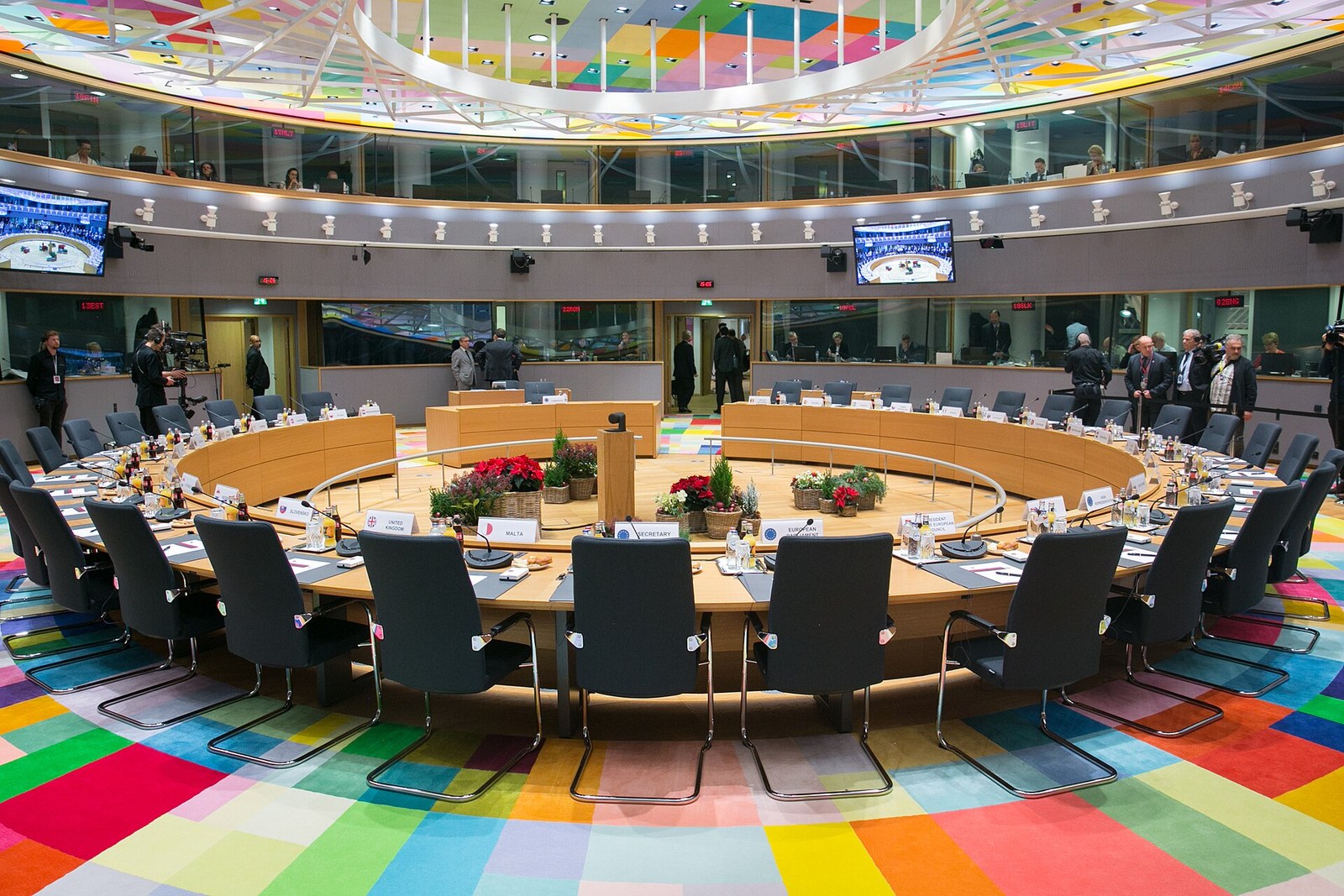
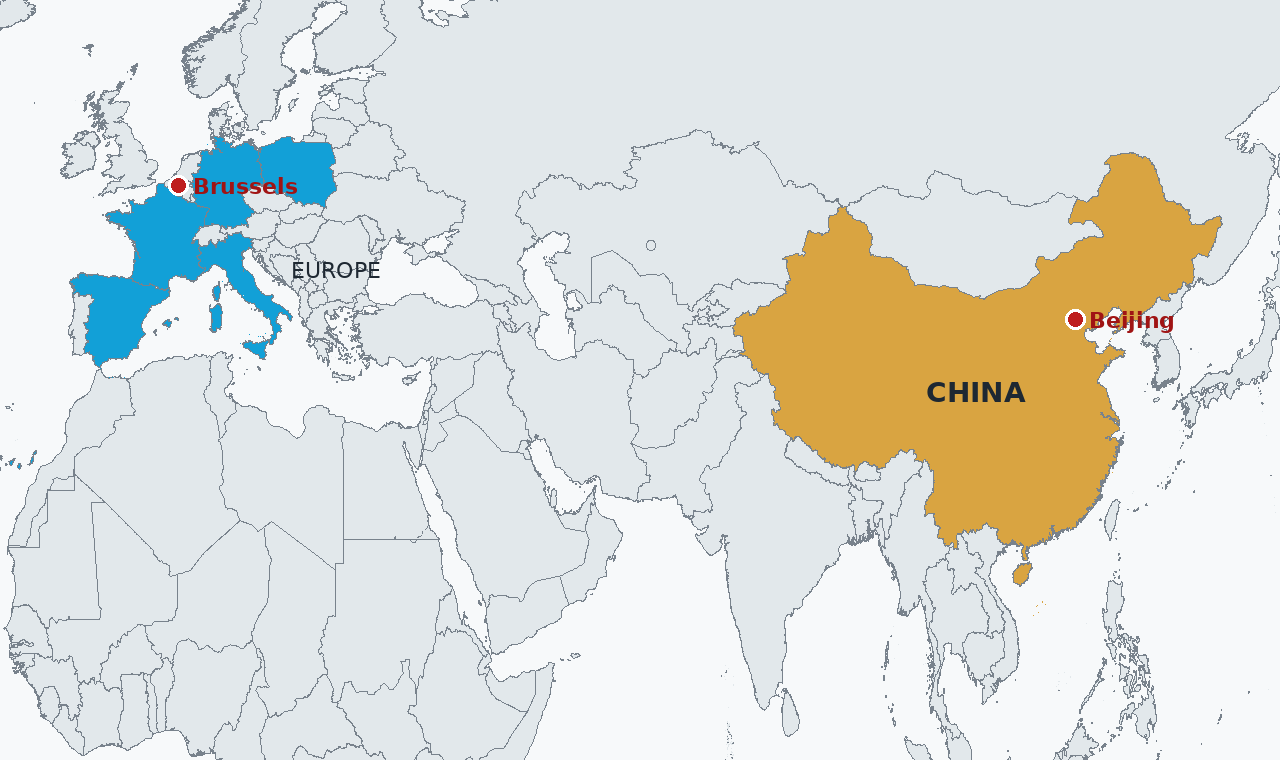
A 360 billion euro hole is about to get a wall, or at least a gate. The European Union is planning to use safeguard measures to cut imports from China in chemicals, furniture and machinery, Bloomberg reported on Monday, citing people familiar with the matter. The measures could take the form of import caps or tariffs, and they may be presented as soon as the first quarter of 2027. A Commission spokesperson declined to comment, and the people familiar with the plans cautioned that the sectors and the timing could still change after talks with member states and with China.
The hole itself is the argument. The EU trade deficit with China reached 360 billion euros last year, about $404 billion, and the direction of travel is what alarms Brussels: Commission trade defence data reported by Reuters earlier this month put imports from China up about 6 percent while European exports to China fell about 6 percent. This is not one bad quarter. It is a structure, in which China sells Europe far more than it buys, sector after sector, and European industry has stopped asking politely for something to be done about it. Commission President Ursula von der Leyen told reporters earlier this month that industries had called for action, had been heard, and would get a response, including more safeguards.
The tool Brussels has picked is telling. Safeguard measures let the EU restrict a product from a sector where imports have surged, and the Commission has already started assessing trade data to find where that test is met. The model it wants to copy is its own recent hybrid vehicle deal with Beijing, which capped Chinese car imports at 350,000 a year, a level judged high enough to dissuade retaliation. Safeguards can be imposed unilaterally, without Beijing's agreement, and they can be shaped as plain quotas or as tariff rate quotas, where a levy applies only above a set volume. The department is not starting from zero, either: the Commission opened 32 new trade defence cases in 2025 and had already opened 27 more in 2026, more than a third of last year's cases in chemicals alone.
The risk sits exactly where it always sits in this relationship. Push too hard and Beijing retaliates, against European exporters and against the critical minerals and magnets European factories still need from China. Beijing has already opened an anti dumping investigation into a European chemical import, a small move that reads as a marker of what could follow. That is why the hybrid vehicle cap was set generously, and why the people briefing the plan keep stressing that nothing is final. Brussels is trying to protect its industry and keep its supply lines at the same time, and those two aims pull against each other in every sector on the list.
Our call is that Europe gets caps, not a trade war, and that the caps arrive sector by sector through 2027 rather than in one dramatic package. The hybrid deal is the template because it worked politically: a number Beijing could live with, a win Brussels could announce, and no spiral. Expect chemicals first, where the case load and the surge data are strongest, and expect each cap to be set just high enough to let both sides claim restraint. What this will not do is close a 360 billion euro deficit, which is a decade of industrial policy, not a safeguard measure. Its real function is to change the direction of the argument inside Europe, from whether to act to how much, and on that measure it has already worked: the debate in Brussels is now about the size of the gate, not whether there should be one.
The Briefing
The day's world, market and sport, measured and in your inbox before breakfast. One email, no noise, free while we build it.
Subscribe by emailSubscribing opens your email app with a note to [email protected]. We never share your address.