Washington wants out of its own trade war with Canada
The United States and Canada are working on a deal to ease the 50 percent tariff on Canadian steel and the 25 percent tariff on autos, six people familiar with the talks told Reuters. A deal is possible before the November 3 midterms, but Washington wants further concessions from Ottawa first.
Ottawa, Canada · October 26, 2026
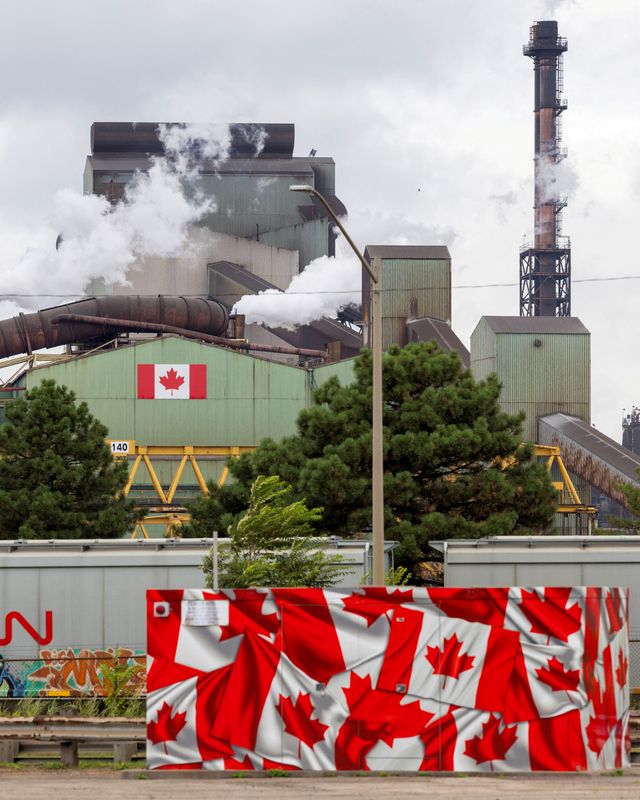
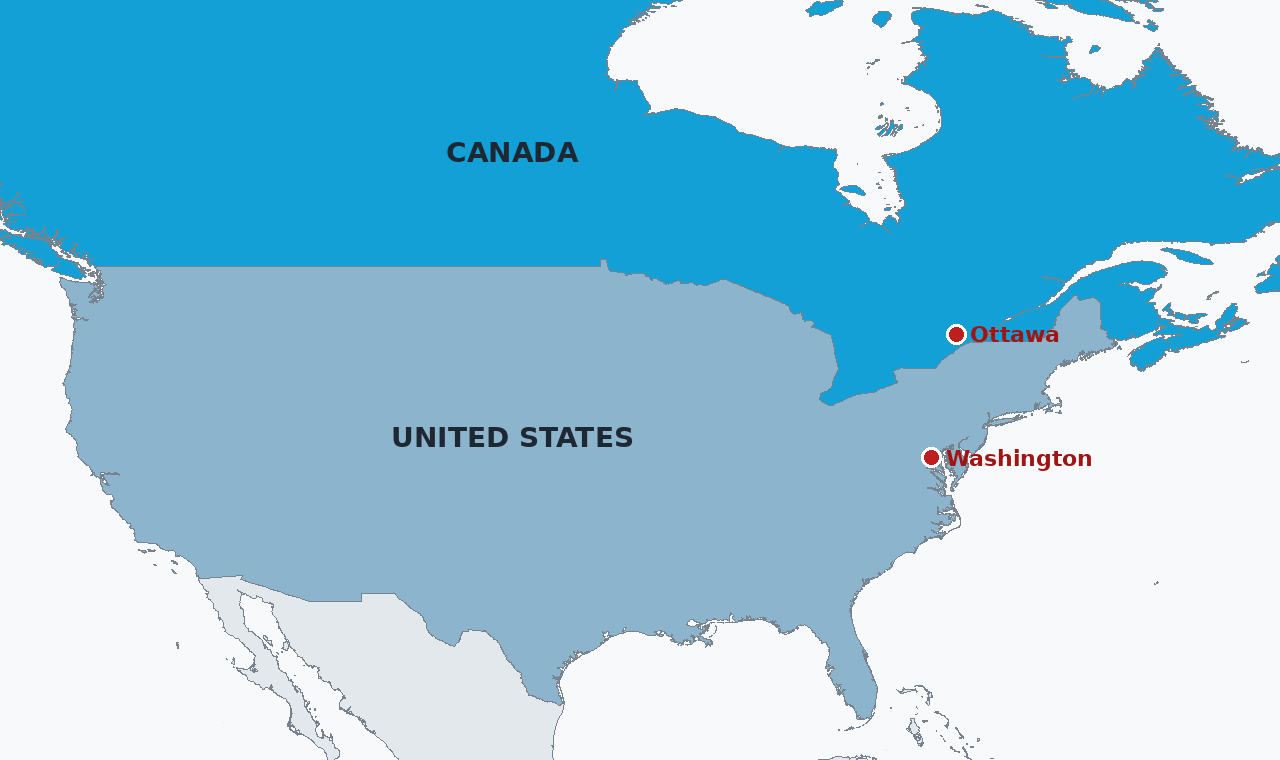
The trade war Washington started is now the one Washington wants to end, at least at the edges. The United States and Canada are working on a deal to ease American tariffs on Canadian steel and autos, Reuters reported on Monday in an exclusive based on two American and four Canadian sources, as the two governments try to repair relations that broke down when trade talks collapsed in August. This is a single wire report and we are naming it as such. What stands on the record inside it is a statement from the office of Dominic LeBlanc, Canada's minister for trade with the United States, confirming that contact is live and constructive.
The timing is doing most of the explaining. President Trump faces record low approval ratings, his party risks losing control of Congress in the November 3 midterm elections, and the tariffs on Canadian imports have turned into a political liability, with Republican candidates in border states calling for an end to the trade war with Canada. Steel and cars are not abstract line items in those states. They are the plants, the shifts and the prices voters can see. A tariff that was sold as leverage on Ottawa is now being priced as a cost at home, a week before the vote.
The machinery of the talks tells you where the decision sits. The tariffs were imposed under Section 232 of American trade law, up to 50 percent on Canadian steel and 25 percent on autos, and because Section 232 duties are administered by the Commerce Department, Commerce Secretary Howard Lutnick rather than the trade representative's office is at the centre of the negotiations. Lutnick and LeBlanc have been in regular contact. LeBlanc's office said Canada remains in constructive dialogue with its American counterparts and stands ready to work towards a more mutually beneficial trading relationship that respects Canada's interests. The White House, the Commerce Department and the trade representative's office did not immediately respond to requests for comment.
What an agreement would contain is still the contested part. One Canadian source briefed on the negotiations said a deal on steel and auto tariffs was possible before the November 3 elections. American sources said the administration wants Canada to make further concessions first. Those two sentences are the whole negotiation in miniature: Ottawa wants relief it can announce, Washington wants a payment for giving it, and the election clock favours whichever side needs the headline less. Relief could still stall on the size of that payment, and nothing in the reporting suggests the wider tariff fight, beyond steel and autos, is on the table.
Our call is that a narrow deal lands, and lands before the midterms, because both capitals get something they need from the same announcement. Trump gets to tell border state voters the Canada problem is being fixed without admitting the tariffs failed, and Ottawa gets its two most exposed industries out of the firing line. But read the limits, not the headline. This is relief for steel and autos bought with concessions, not the end of the trade war, and a deal built to beat an election deadline will be built thin: quick to sign, easy to reopen. The tell will be the form the relief takes. A clean tariff cut is a settlement. A capped or conditional arrangement is a pause, and Ottawa should, and probably will, price it as one.
The Briefing
The day's world, market and sport, measured and in your inbox before breakfast. One email, no noise, free while we build it.
Subscribe by emailSubscribing opens your email app with a note to [email protected]. We never share your address.