China wants to lock the recipe, not just sell the product
Beijing's draft Announcement No. 48 would control 40 technologies, from AI models to solar cells, and it treats the know-how itself as a state asset. Selling the product stays easy. Exporting the recipe is what gets harder.
Beijing, China · October 18, 2026
The region, on the map
Beijing, China, pinned where this story happened, with every other place-led Indeks story.
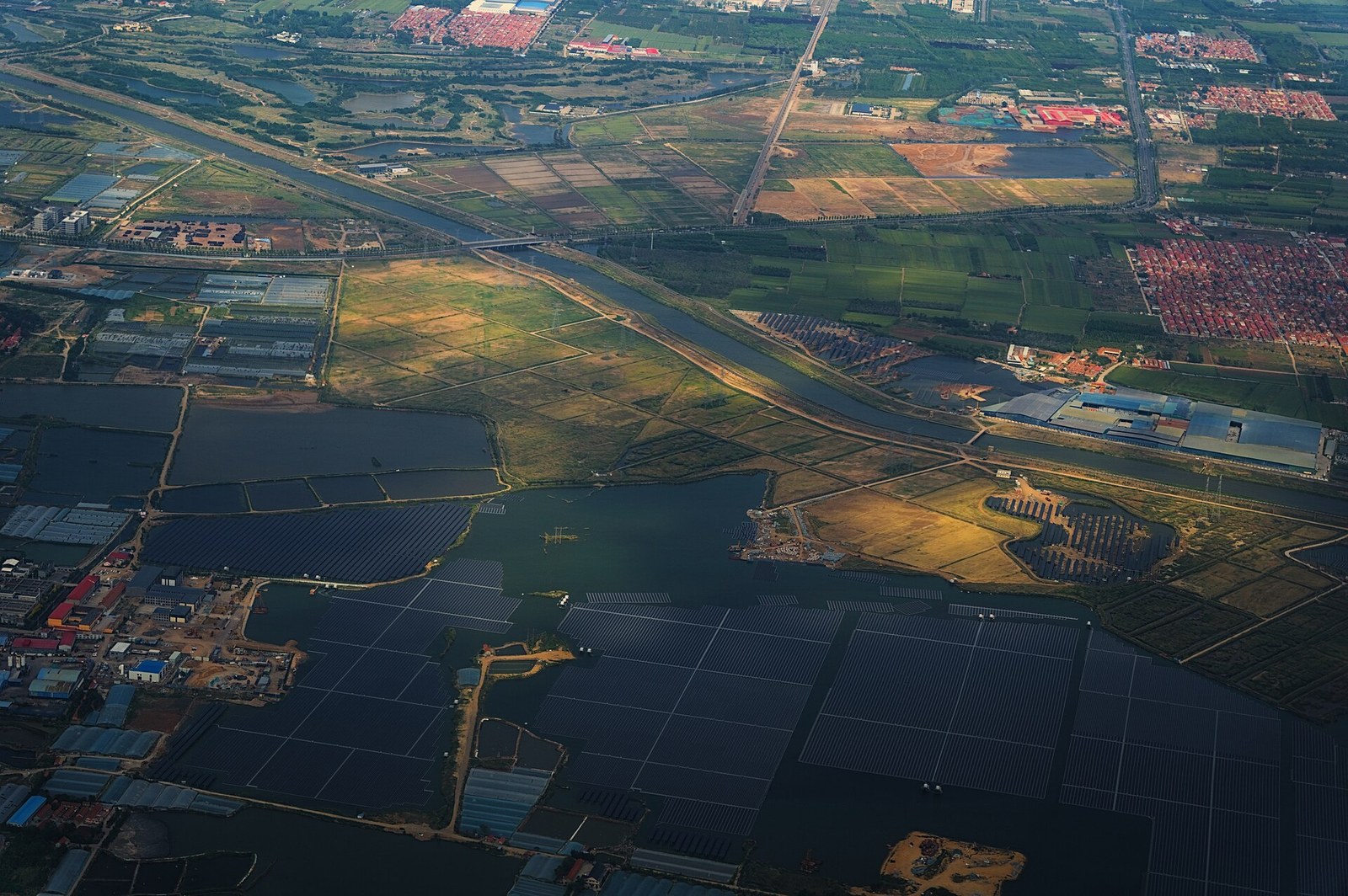
See it on The Indeks MapThe draft, published on Friday by China's commerce and science ministries, adds 40 technologies to the export control catalogue: 14 proposed for outright bans and 26 that would need a licence before they could be transferred abroad. The weight falls on two industries. Twenty-three entries are in artificial intelligence, covering foundation models, intelligent agents and computing clusters. Twelve are in solar, reaching down the supply chain to polysilicon, wafers and high-efficiency cells.
The sharpest items sit on the banned list. Perovskite and tandem cell manufacturing, the next generation of solar that everyone is racing toward, would be banned from export, and so would AI that can generate and mutate malicious code on its own. Some cell and gene therapy platforms are in scope too. Beijing frames the revision as routine housekeeping: it targets no country, the ministries say, and it is about keeping dangerous tools under human control. Technology already public through open source is generally exempt, and most AI and solar technology remains freely exportable. Analysts who spoke to the Associated Press read it another way, as a sign that access to knowledge itself is starting to split along national lines.
The country with the most at stake in the solar clauses may be India, which is climbing the manufacturing ladder precisely to cut its reliance on China. That ladder just gained a gate. Public comment runs to November 15, and the controls are not waiting politely for the consultation to end: exporters must already register technology transfers while it runs. Selling the panel stays fine. Teaching the world how to make the next one would need Beijing's stamp.
The Briefing
The day's world, market and sport, measured and in your inbox before breakfast. One email, no noise, free while we build it.
Subscribe by emailSubscribing opens your email app with a note to [email protected]. We never share your address.