Anthropic opens its books: 16.3 billion dollars in, and an 80.7 billion dollar loss that is not what it looks like
Anthropic's IPO filing went public on Monday, and the first half numbers are extreme in both directions: revenue up fourteen times in a year, a headline loss of 80.7 billion dollars that is mostly an accounting charge, and an operating loss that is quietly shrinking. Wall Street bought it anyway.
New York, United States · October 26, 2026
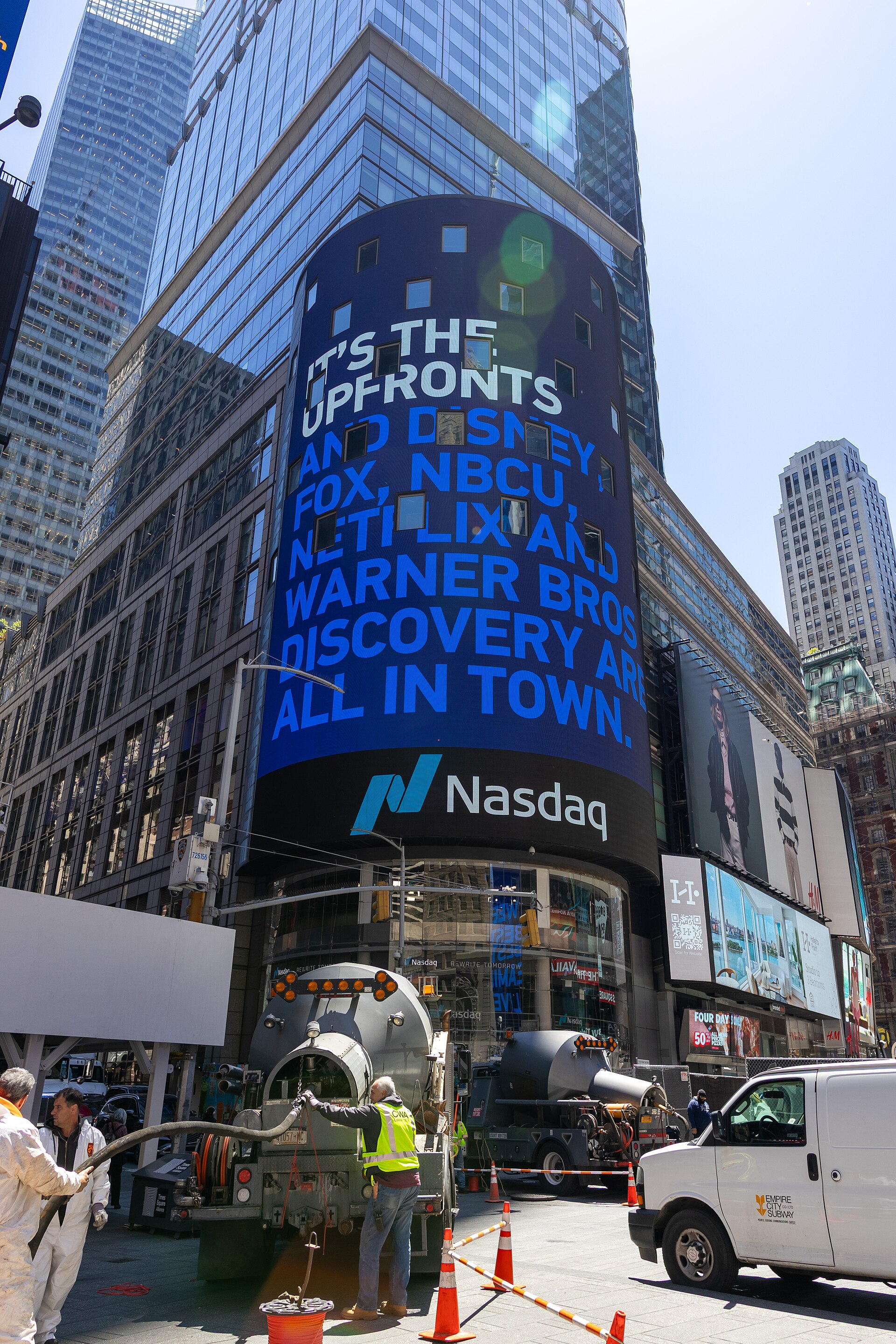
Until Monday morning, the most valuable private company in artificial intelligence ran on leaked numbers and investor day whispers. Then Anthropic's registration statement appeared on the SEC's public system, and the guessing ended. The Claude maker filed to list its Class A shares on the Nasdaq Global Select Market under the ticker ANT, led by Goldman Sachs and Morgan Stanley, with no share count and no price range set yet. What the filing did set, in ink, was the scale of the business: 16.3 billion dollars of revenue in the first half of 2026, against 1.16 billion in the same half a year earlier. Revenue did not grow last year. It multiplied by fourteen.
Sit next to that the other number, because the two have to be read together. Anthropic recorded a net loss of 80.7 billion dollars for the same six months, a figure that reads like a company falling out of the sky until you open it up. Some 72.4 billion dollars of it is a charge for the rising fair value of convertible notes and similar instruments, which grows on paper precisely because the company's valuation has risen: the more Anthropic is worth, the larger this loss gets, without a dollar of cash leaving the building. The loss from actually running the business was 693 million dollars, down from 2.1 billion a year earlier, and the company sat on 112.4 billion dollars in cash and equivalents at the end of June. The headline loss and the operating business are telling two different stories, and only one of them involves spending money.
The customer figures explain why the revenue line keeps bending upward. More than 1,900 customers now generate at least a million dollars a year each, and about 250 generate at least ten million, with the money coming overwhelmingly from companies and developers rather than from people chatting with Claude for free. Full year revenue in 2025 was 4.59 billion dollars, so the first half of 2026 alone brought in more than three times the whole of last year. The concentration risk is printed in the same document: about a fifth of first half revenue came from just two customers, and the compute commitments needed to serve everyone else run into the hundreds of billions over the coming years. In May the company raised 65 billion dollars at a 965 billion dollar valuation. The filing is what turns that private price into a public argument.
Wall Street's first answer arrived before the day was out. Stocks closed higher on Monday, with the S and P 500 up 0.70 percent to 7,676.77 and the Nasdaq Composite up 0.82 percent, and chip stocks rose about 3 percent, because every new Anthropic data centre is, in practice, a very large order for silicon. Reporting around the timetable puts a possible debut in the week of November 16, with the registration not yet effective and the roadshow still to come, which is where the valuation talk, up near two trillion dollars from some backers and nearer 1.5 trillion from cooler heads after growth slowed in the third quarter, finally has to become a price.
Our call is that the filing moves this fight onto ground Anthropic can win. While the numbers were private, the debate was about a price, two trillion or one and a half, argued from rumours. Now the argument has a document, and the document's most important line is not the 80.7 billion dollar loss but the 693 million dollar operating loss shrinking against 16.3 billion of revenue. A company burning cash at that ratio is close to funding its own operations, whatever the accounting charge does to the headline. Expect the paper loss to keep growing if the shares price well, and expect opponents of the deal to quote it loudly. The buyers who matter will price the operating line and the customer count instead, and on those two lines this filing is stronger than the leaks ever suggested.
The Briefing
The day's world, market and sport, measured and in your inbox before breakfast. One email, no noise, free while we build it.
Subscribe by emailSubscribing opens your email app with a note to [email protected]. We never share your address.