The BBC is switching off three channels, and saying out loud that scheduled television is over
BBC Three, BBC Scotland and Radio 4 Extra will close as linear channels in spring 2027, with programmes moving to iPlayer and Sounds. More than 100 news jobs go too, as the BBC hunts 500 million pounds of savings by 2028.
London, United Kingdom · October 20, 2026
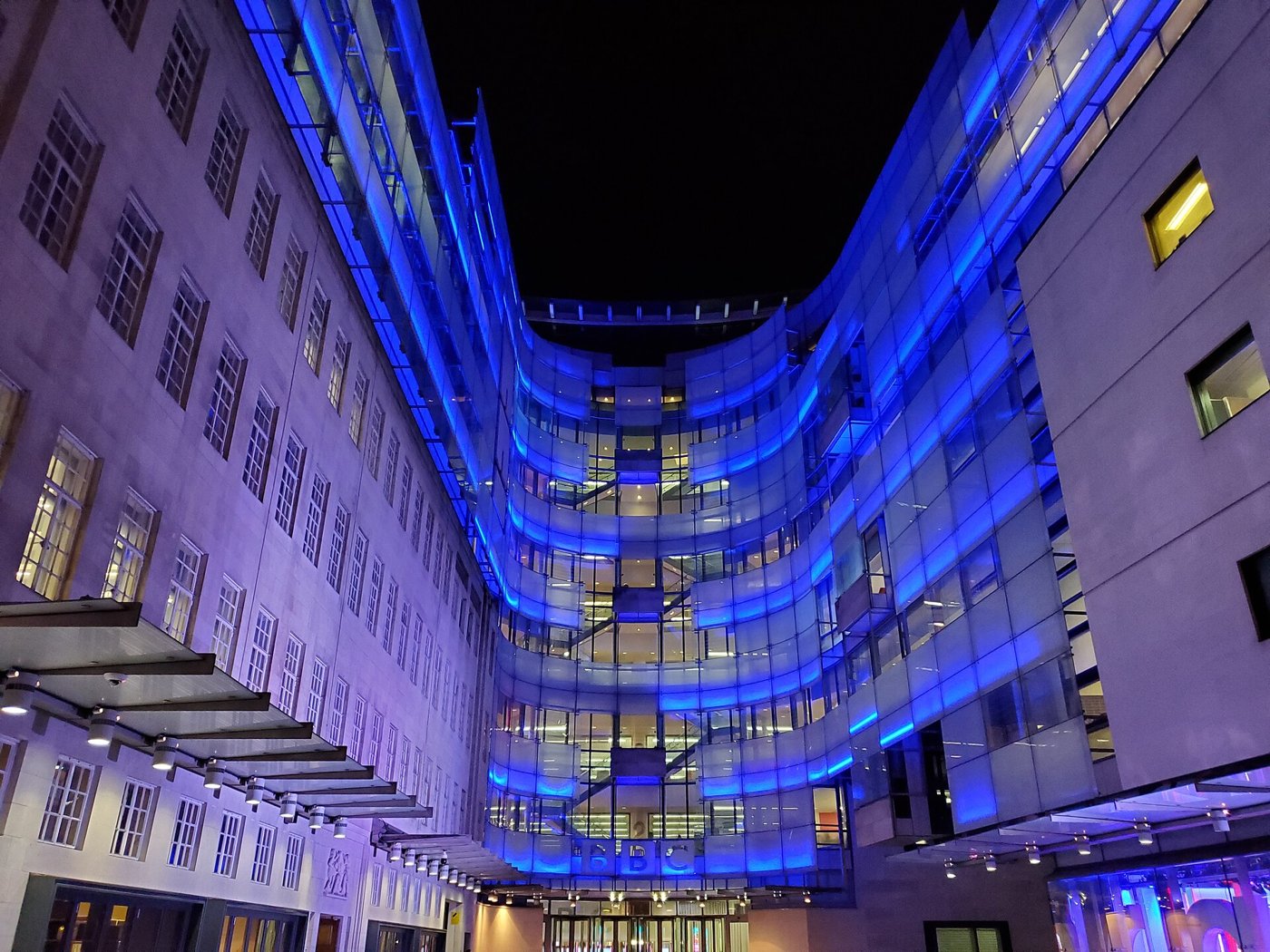
Every broadcaster on earth has spent a decade insisting the future is streaming while keeping one hand on the old schedules. The BBC just let go. It announced on Tuesday that BBC Three, BBC Scotland and Radio 4 Extra will stop broadcasting as linear channels in spring 2027, their programmes moving to iPlayer and Sounds, as part of a drive to save 500 million pounds by 2028. Alongside the channel closures, more than 100 jobs will go in BBC News, worth about 5.5 million pounds, and reports on the wider restructuring put the total number of roles at risk as high as 2,000.
The three channels each tell a different version of the same story. BBC Three was built to reach younger viewers who have since stopped watching scheduled television almost entirely, and it has already lived one life online only. BBC Scotland carries the flag for Scottish production in a market where global streamers outspend everyone. Radio 4 Extra is an archive with a transmitter, much loved and easily moved. What unites them is that the audience for a channel, as a place you visit at a set time, has thinned past the point where a shrinking licence fee can defend all of them at once.
The pressure underneath is financial and structural at the same time. The licence fee buys less every year, the savings target of 500 million pounds by 2028 has to be found somewhere, and every pound spent maintaining linear distribution for audiences that have already left is a pound not spent on the programmes that might bring them back on the apps. Director-General Matt Brittin's BBC is choosing the platform over the schedule, and choosing it in public, which is why this announcement lands harder than the usual round of cuts. It is a strategy, stated plainly, not a salami slice.
Our call is that the closures happen on schedule and the argument moves immediately to what replaces them. Nations and regions coverage is where the BBC's public value is hardest for a streamer to replicate, and BBC Scotland's move online will be judged on whether Scottish stories still get made, not on where they sit in a menu. We think the BBC has read the audience numbers correctly and is still underestimating the politics: a licence fee everyone pays for channels that keep disappearing is a harder sell in Parliament than in the data. Expect the spring 2027 switch off to go ahead, and expect the fight over the next licence fee settlement to start the same week.
The Briefing
The day's world, market and sport, measured and in your inbox before breakfast. One email, no noise, free while we build it.
Subscribe by emailSubscribing opens your email app with a note to [email protected]. We never share your address.