Europe moves north: the EU stakes its claim to an Arctic it can no longer watch from the side
The EU's first Arctic strategy since 2021 puts satellites, a cable hub and icebreaker help around Greenland, as Russia rebuilds in the High North and Donald Trump still covets the island. What it does not have yet is a price tag.
Strasbourg, France · October 20, 2026
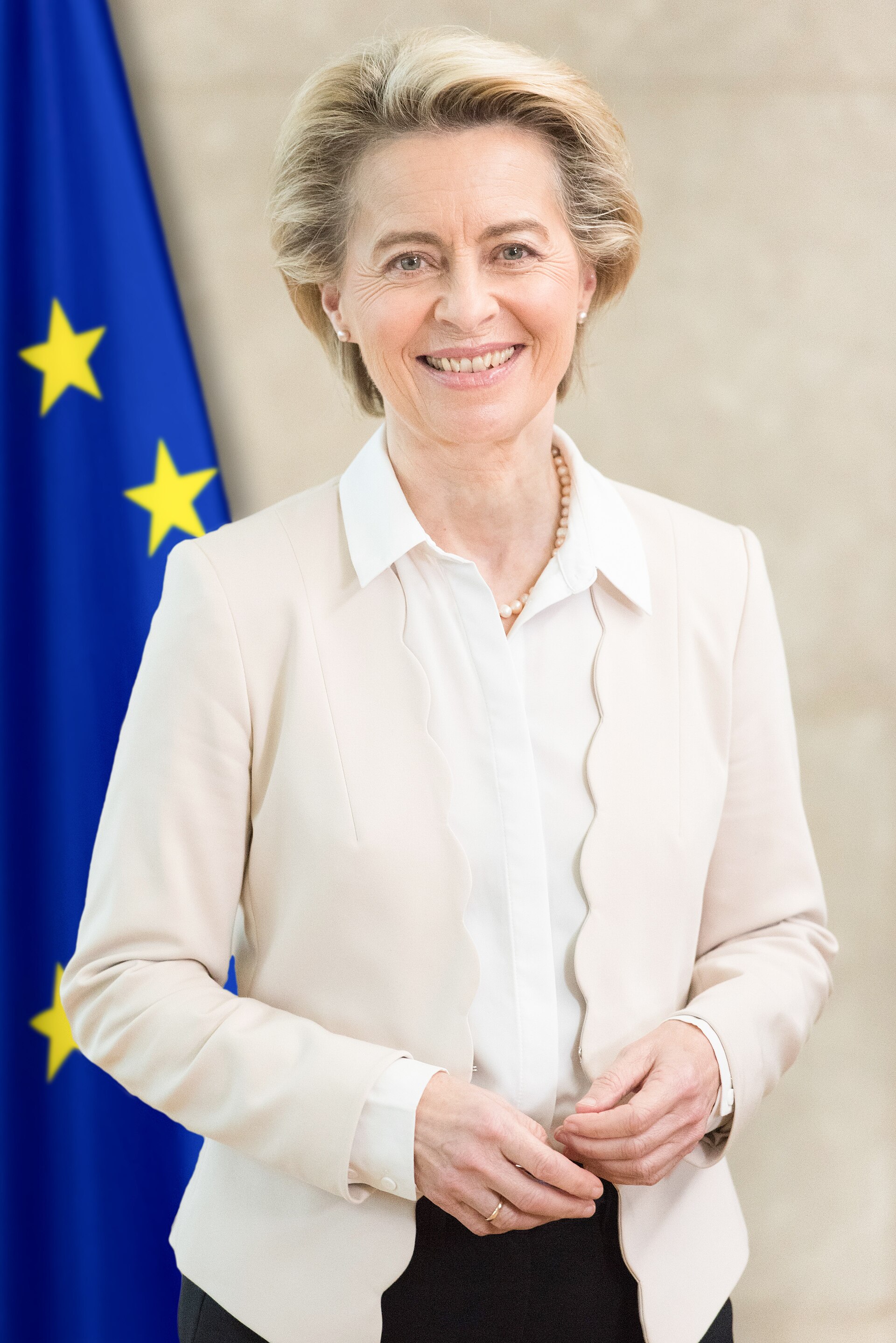
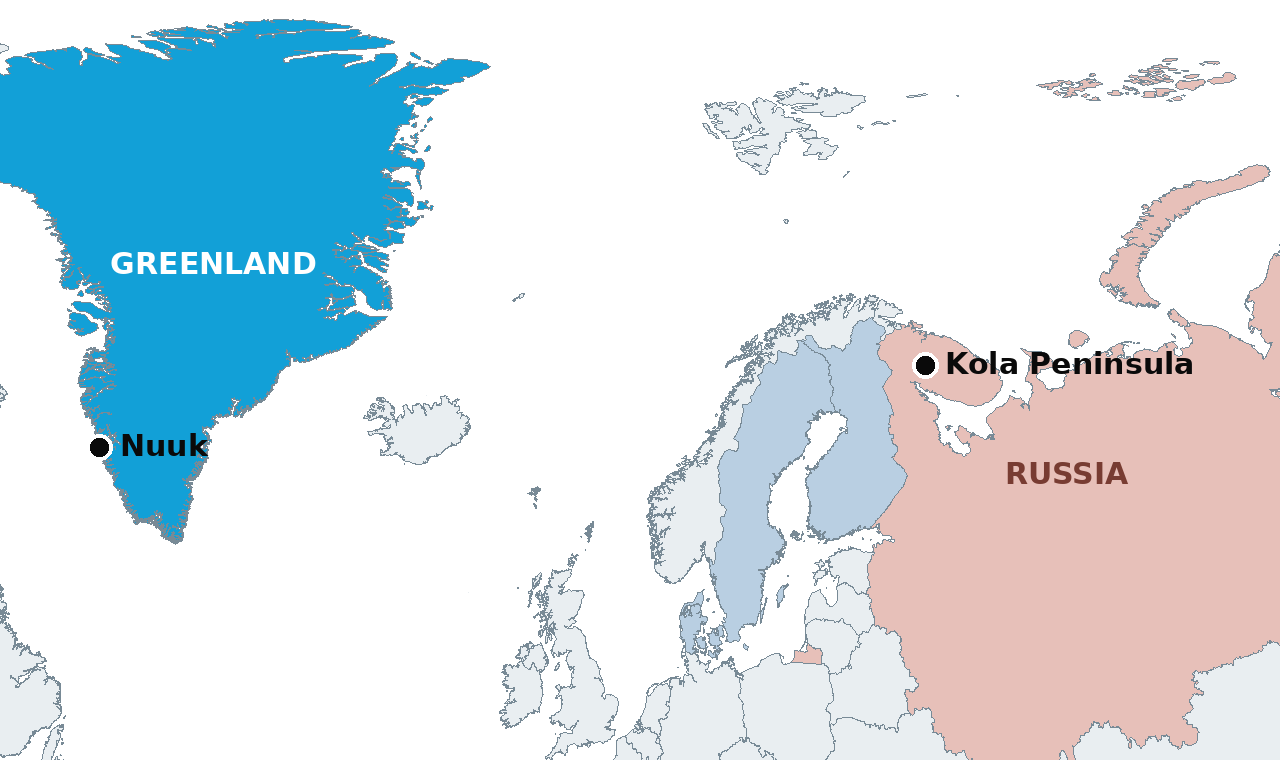
The speech came in Strasbourg, about as far from the Arctic as a European leader can stand, and Ursula von der Leyen did not dress it up. The Arctic, she said, is one place where the tectonic plates of geopolitics are colliding, and where sovereignty and territorial integrity can no longer be taken for granted. Then the European Union published its first Arctic strategy since 2021, and the map at the centre of it was Greenland.
The plan, drawn up by the Commission and foreign policy chief Kaja Kallas, works on three fronts at once. The Copernicus satellite network will watch the region more closely from space. A new Arctic cable hub will monitor, protect and help repair the undersea cables that carry everything from banking data to military traffic. And a maritime security hub will share information, in the document's own sweep, from seabed to space, while member states get help buying the icebreakers the bloc is short of. Finland, Sweden and Denmark give the EU its Arctic coastline. What it has lacked is presence.
The reason for the hurry sits on the Kola Peninsula, inside the Arctic Circle, where Russia keeps a large concentration of its nuclear forces. EU officials say Moscow has reopened and modernised Soviet era bases across the High North, is testing missiles there, and is blamed in Brussels for drone incursions, GPS jamming and the shadow fleet worrying cable operators. Russia answers that it wants peace and stability in the region and accuses NATO of driving it towards militarisation, a line Foreign Minister Sergei Lavrov repeated in August.
Greenland is where the argument becomes personal. The island belongs to Denmark, an EU member, and Donald Trump has tried to acquire it for the United States. Last month von der Leyen unveiled 200 million euros of EU investment for Greenland, covering connectivity, housing, renewable energy and critical raw materials, and briefing coverage of the strategy put a further 260 million euros from the European Defence Fund towards resilient Arctic technologies. Money, in other words, is already moving towards Nuuk, even if the strategy document itself attaches no overall price to its ambitions.
Kallas put the doctrine in one sentence: Europe will not be a bystander in the Arctic. She called icebreakers the measure of power up there, which is a frank admission, because hulls take years to build and the EU does not have enough of them. A strategy can be published in a day. Satellites can be retasked in weeks. A cable hub is offices and sensors. The slow parts of this plan are the physical ones, and they are the parts Russia is already ahead on.
Our call is that the Greenland money lands first and fastest, because that is where the sovereignty argument is actually won, in Nuuk's harbours, power grid and mines rather than in communiques. The hardware will trail the rhetoric by years, and Moscow will read the gap between the two as the real content of the strategy. Watch the next EU budget fight over icebreaker funding: if the hulls get paid for, this was a turning point. If they do not, it was a map with good intentions drawn on it.
The Briefing
The day's world, market and sport, measured and in your inbox before breakfast. One email, no noise, free while we build it.
Subscribe by emailSubscribing opens your email app with a note to [email protected]. We never share your address.