Burkina Faso votes the death penalty back into law, eight years after abolishing it
The 71 member assembly voted unanimously for a revised penal code restoring capital punishment for terrorism, espionage and treason. The government calls it an answer to an insurgency. Rights groups call it a door opening onto repression.
Ouagadougou, Burkina Faso · October 21, 2026
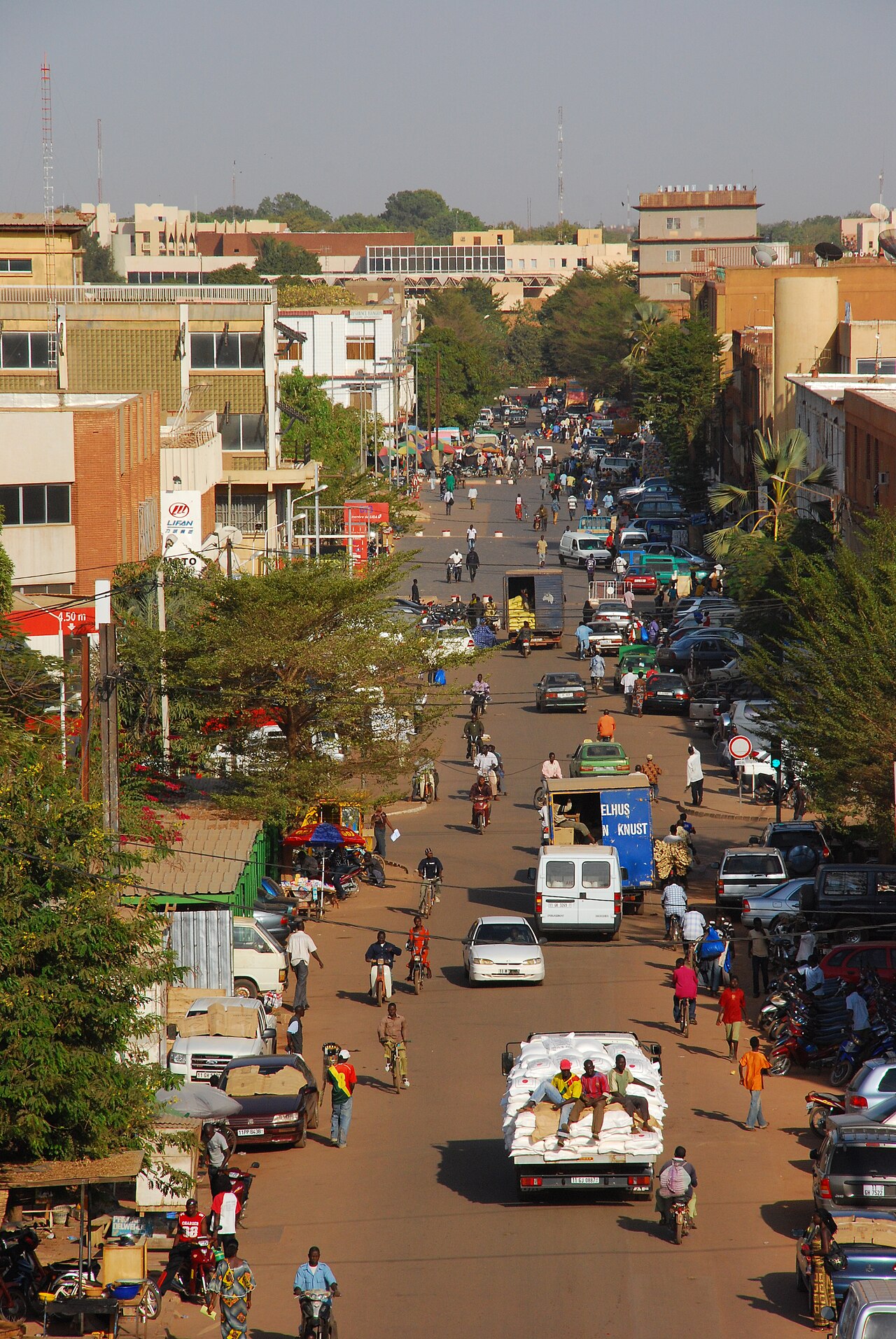
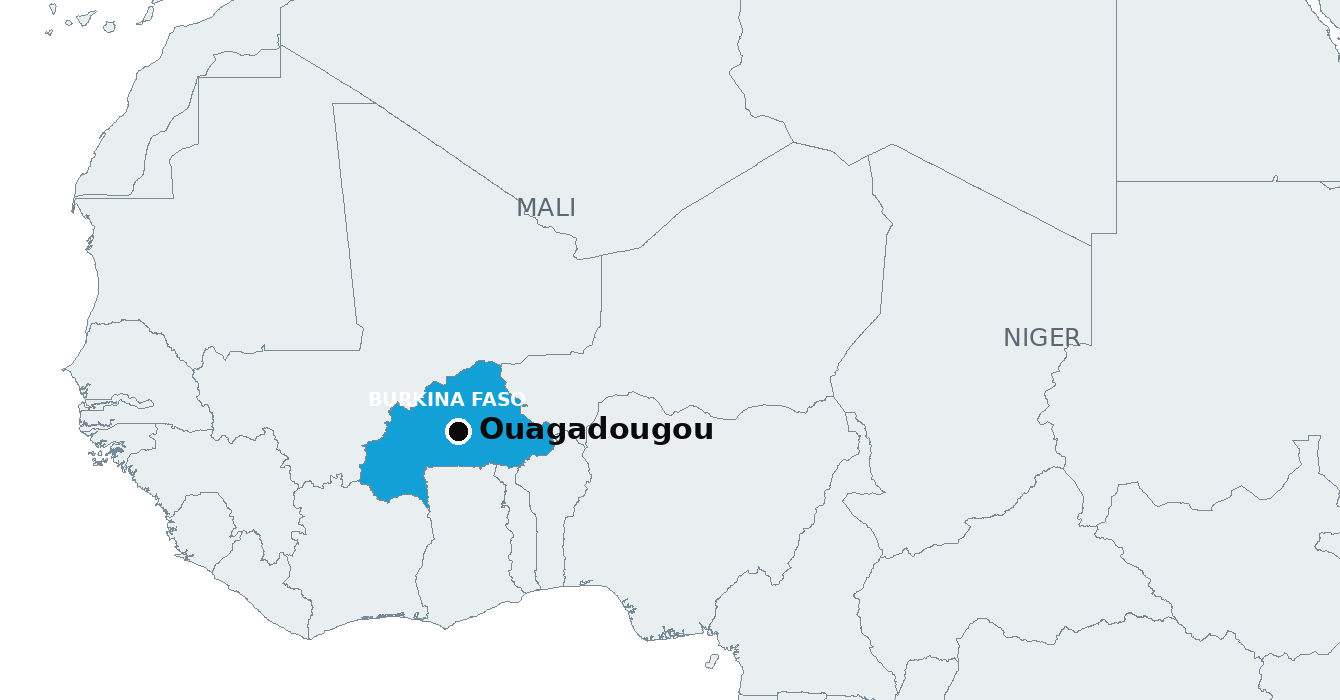
There was not a single vote against. On Tuesday, Burkina Faso's 71 member transitional assembly adopted a revised penal code that restores the death penalty, reversing the abolition the country enacted in 2018. The Justice Ministry announced the result, and with it a list of crimes that can now carry a death sentence again: terrorism, espionage, treason, and importing expired or banned products that result in death.
Justice Minister Edasso Rodrigue Bayala, who presented the bill for the military government, made the case in security terms. The relative lenience of the old code, he argued, had helped armed groups recruit. That argument lands in a country worn down by an insurgency linked to al Qaeda and Islamic State that has killed thousands of people and displaced millions, and where the government's promise to restore security is the foundation its rule stands on. Captain Ibrahim Traore, the military leader, had already announced his intention to bring capital punishment back.
The country making this move has barely used the penalty even when it had it. Burkina Faso's last known judicial execution was in 1988, according to Amnesty International, which means the law being restored has been dormant in practice for nearly four decades. What changes first is not an execution date. It is the range of threats the state can make in a courtroom, and the severity hanging over anyone charged under the terrorism and treason headings.
That is exactly where the warnings concentrate. Human Rights Watch, responding when the Council of Ministers first approved the bill last year, said reinstating the death penalty could deepen repression, entrench a climate of fear and send a chilling message to critics of the military government. Terrorism investigations in Burkina Faso already operate under strain, with fair trial safeguards that rights groups have questioned for years. A punishment that cannot be undone raises the cost of every weak case.
Our call is that the first death sentences, when they come, will be handed down in terrorism cases to public approval, and that the law's deeper effect will be quieter: espionage and treason are elastic charges, and in a state fighting an insurgency while policing dissent, elastic charges stretch. Watch which courts get these cases and who gets charged under the treason heading. That, more than any execution date, will tell you what this law is really for.
The Briefing
The day's world, market and sport, measured and in your inbox before breakfast. One email, no noise, free while we build it.
Subscribe by emailSubscribing opens your email app with a note to [email protected]. We never share your address.