Wall Street turns red, and the chips that built the rally are leading it down
In late morning trading on Thursday the Nasdaq was down 2.3 percent and the big chip fund 5.5 percent, as Tesla and Meta results landed in a market that has stopped cheering the AI spending and started asking what it buys.
New York, United States · October 22, 2026
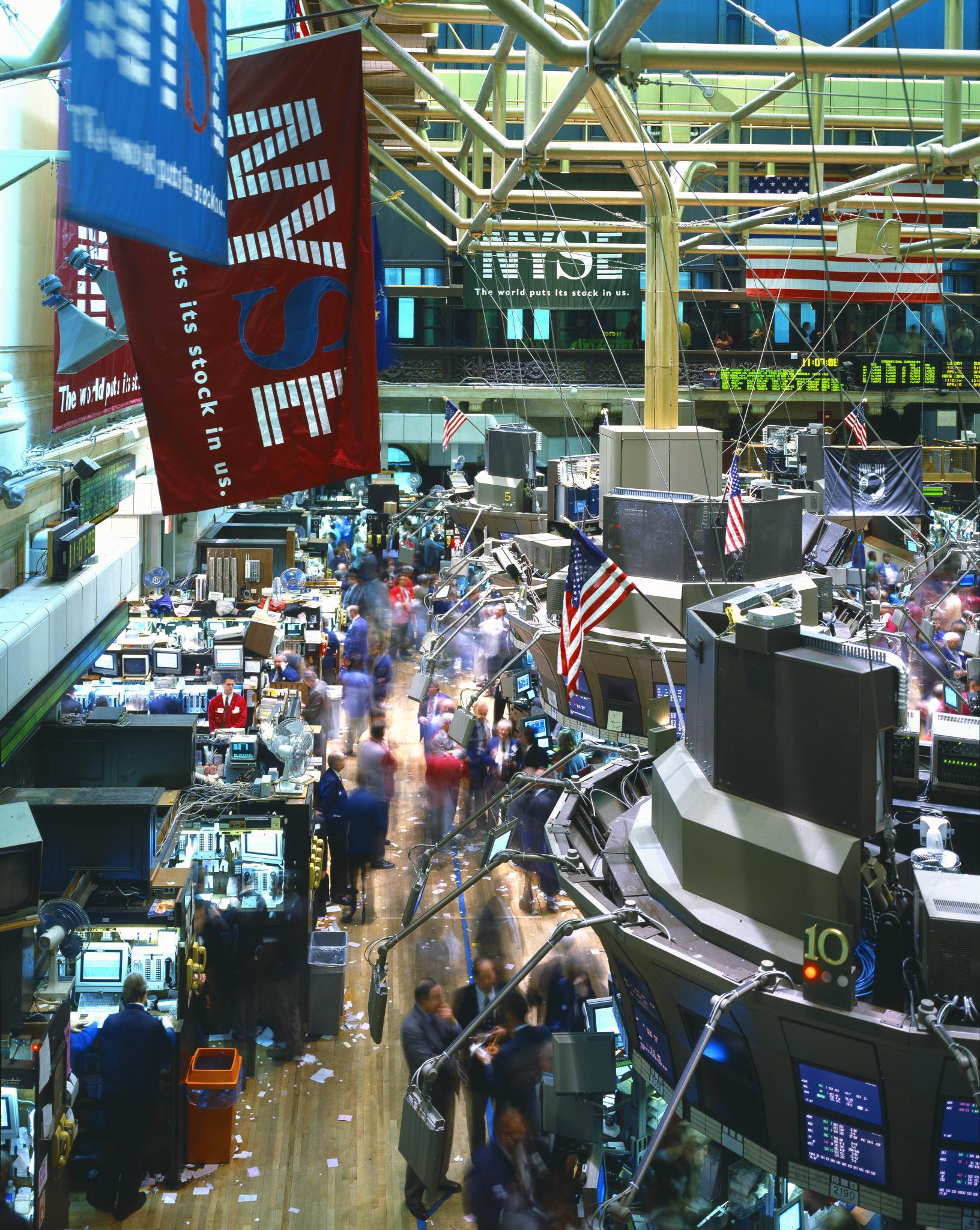
By late morning in New York on Thursday the screens had settled into one colour. The Nasdaq Composite was down 2.3 percent in recent trading, the S and P 500 off 1.4 percent and the Dow Jones Industrial Average down 0.5 percent, and the pain was not spread evenly. It sat exactly where the year's gains sit: the iShares semiconductor fund SOXX was down about 5.5 percent, Lam Research had fallen about 10 percent after a soft outlook, and the memory names, Micron, SanDisk, Seagate and Western Digital, were down together, the Roundhill memory fund off 5.5 percent with them.
The strange part is what triggered it, because the results themselves were not disasters. Tesla beat its numbers on Wednesday night, then told investors it was cutting its spending plans, and the stock fell 5.3 percent before the open. Meta reported strong revenue growth, then fell about 6.5 percent in Thursday trading after asking shareholders to fund more of the AI build out with new non voting shares. Read those two moves side by side and the message sharpens: spend less on AI and the market doubts the future, spend more and it doubts the returns. The trade no longer has a version of the spending story it wants to hear, only a question it wants answered, which is what all this money is actually earning.
Oil then poured fuel on the mood. Brent crude jumped more than 3 percent to about 112 dollars a barrel, near a five month high, on reports that the United States and Israel are planning renewed strikes on Iran and after fresh Houthi attacks on Saudi Arabia, with West Texas Intermediate close to 99.50 dollars. A rising oil price on a day like this does double damage, because it hands nervous investors a second story to run from: not just an AI bill coming due, but an inflation problem walking back through the door. Nothing risky was spared. Bitcoin slid to about 81,700 dollars from overnight highs near 84,800, and the crypto linked stocks, Strategy, MARA, Coinbase and Robinhood, fell sharply with it.
It is worth keeping the scale honest, because not everything fell. Defensive corners of the market held up far better than the growth names, and the Dow, heavy with the kind of companies that sell soap and insurance rather than servers, was down only half a percent. This was not a market deciding the economy is broken. It was a market repricing one crowded idea, the idea that AI spending pays for itself on faith, while a geopolitical premium in oil made the repricing feel bigger than it was.
What happens next turns on two tests in the next few hours. Western Digital reports after the close tonight, and memory is the purest read on whether AI hardware demand is still pulling orders with it; a clean set of numbers there would tell traders the chip slide was about valuations, not demand. The second test is the oil price itself: Brent holding above 112 dollars into the close keeps the inflation story alive into Friday, while a fade back below it lets Thursday be filed as an earnings wobble.
Our call is that this stays a valuation argument rather than becoming a trend break, and that the week ends with the AI names lower but intact, because the demand evidence underneath them, from Tesla's deliveries to South Korea's record chip exports this week, has not actually cracked. The one thing that changes our mind is oil. If Brent is still above 112 dollars at Friday's close, the market stops arguing about AI returns and starts arguing about rates again, and that is a fight the chip stocks are not priced to win.
The Briefing
The day's world, market and sport, measured and in your inbox before breakfast. One email, no noise, free while we build it.
Subscribe by emailSubscribing opens your email app with a note to [email protected]. We never share your address.