Gucci's owner had its worst day on record, and the answer is to close more shops
Kering shares fell about 16 percent after Gucci sales dropped another 6 percent in the third quarter, to 1.29 billion euros, with footfall in China named as the core problem. The group's response to people not walking in is to accelerate closures to 125 stores this year.
Paris, France · October 23, 2026
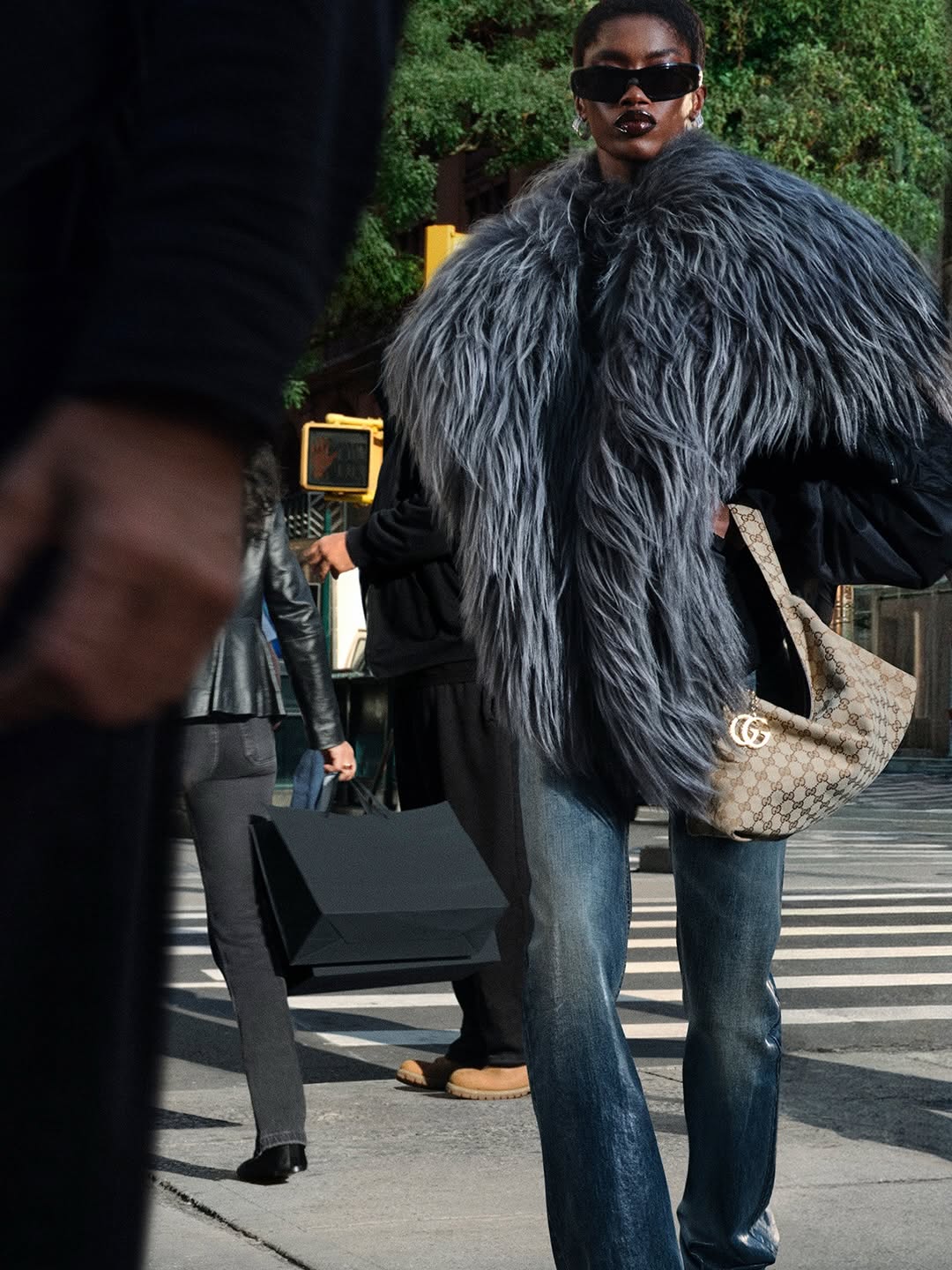
There is a particular kind of bad day that only happens to luxury groups, where the product is everywhere and the customers are nowhere. Kering had it on Friday. Shares in the French group fell about 16 percent, their worst day on record in the reports that followed its results, after Gucci, the brand that supplies roughly half the group's profit, posted a 6 percent comparable sales fall for the third quarter, to 1.29 billion euros. Group revenue slipped 1 percent. None of those numbers is catastrophic on its own. Together, three years into a decline, they told investors the turnaround they have been promised is not arriving on schedule.
Read the company's own diagnosis and the problem is almost embarrassingly physical. Kering says the shoppers who do walk into Gucci stores are spending: conversion is up, average prices are up, average tickets are up. The problem is everyone who no longer walks in at all. Footfall, above all in mainland China, is the constraint, and sales through Gucci's own stores fell 9 percent even as wholesale and licensing income rose. A luxury brand can survive customers trading down. It cannot easily survive customers not showing up, because everything it sells, from the handbags management says are improving to the ready to wear and shoes it admits still need work, depends on the visit happening first.
The man running the response is not a fashion insider. Luca de Meo arrived from Renault last year with a five year plan to double the group's operating profit margin from the 11.1 percent it posted in 2025, built on cost discipline, streamlined supply chains and a smaller store estate. The results moved that plan from background to foreground: Kering has already cut a net 105 stores this year and now targets 125 closures by the end of it, up from the 100 it was aiming at in July, while ramping up spending on marketing and client experience in the stores that remain. Finance chief Armelle Poulou, asked whether returning to growth this year was still the aim, declined to say, and pointed at the full year results. Investors heard the silence correctly.
Kering is not suffering alone, and that cuts both ways. LVMH and Hermes both posted softer quarters than the market wanted, Hermes shares touched four year lows, and the whole sector is carrying the weight of weak Chinese demand, pressure on American shoppers and the economic fallout of war. A rising tide excuse is available. But the sector's other giants are slowing from growth. Gucci is shrinking from decline, a different and much more dangerous position, because a brand that has been falling for more than three years stops being a cyclical story and starts being a relevance story.
Our call is that the closures are right and insufficient at the same time, and the market knows it. Shrinking the estate protects the margin de Meo has promised, and a leaner Gucci, sold in fewer and better rooms, is genuinely more luxurious than a Gucci on every high street. But no spreadsheet has ever made a brand desired again, and desire is the actual deficit here. The next verdict will not come from an earnings call. It will come from whether the new collections can pull people through a door, in Shanghai and everywhere else, before the estate has been cut so far back that the recovery, when it comes, has nowhere to happen.
The Briefing
The day's world, market and sport, measured and in your inbox before breakfast. One email, no noise, free while we build it.
Subscribe by emailSubscribing opens your email app with a note to [email protected]. We never share your address.